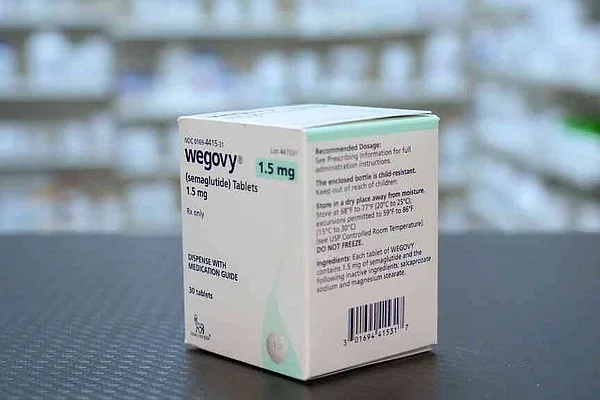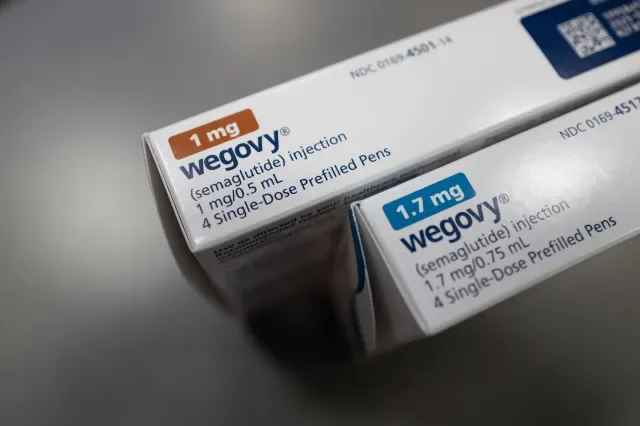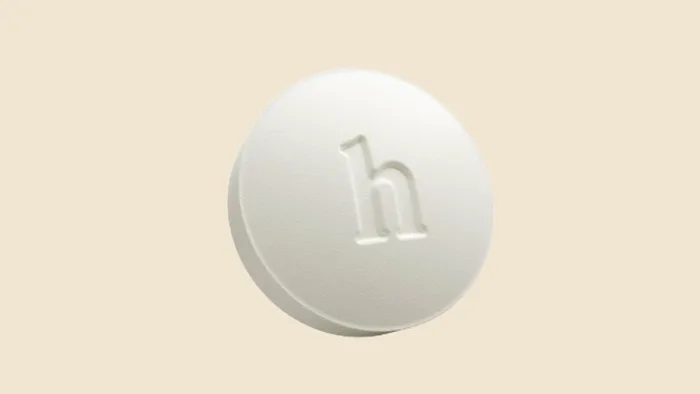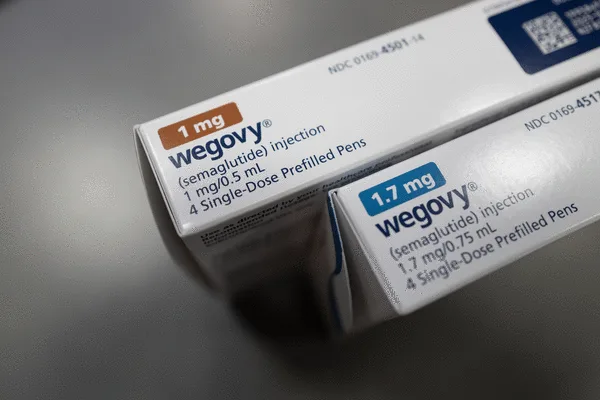
The knockoff GLP-1 market remains a Wild West, as vividly demonstrated by telehealth company Hims & Hers' recent foray into compounded versions of obesity drugs. Last week, Hims & Hers introduced a cheap, compounded version of Novo Nordisk's new Wegovy pill, aiming to capture a slice of the booming GLP-1 market for weight loss. But the move backfired spectacularly: the company pulled the product just two days after launch following U.S. regulators' vows of "decisive" action against such knockoffs. On Monday, Novo Nordisk announced it was suing Hims & Hers over its copycat drugs.
While the Wegovy pill controversy has quieted, the broader unregulated landscape of compounded GLP-1 drugs endures. As the FDA intensifies efforts to curb it, questions linger: Why did this gray market explode, and is regulatory action too little, too late? This guide breaks down the key events, risks, and what patients need to know about compounded GLP-1 drugs like knockoff semaglutide and tirzepatide.
The Hims & Hers Wegovy Pill Launch: A Swift and Disastrous End
Hims & Hers' announcement sent shockwaves through the obesity drug sector. The compounded Wegovy pill promised affordability amid high demand for GLP-1 receptor agonists like semaglutide (Wegovy, Ozempic) and tirzepatide (Zepbound, Mounjaro). These medications mimic hormones that regulate blood sugar, appetite, and metabolism, leading to significant weight loss—often 15-20% of body weight in clinical trials.
However, the product vanished almost immediately. The FDA signaled aggressive enforcement, and Novo Nordisk pursued legal action for patent infringement. This episode underscores the precarious nature of the knockoff GLP-1 market, where telehealth platforms, online pharmacies, and wellness spas peddle unapproved alternatives.
Compounded GLP-1 Drugs vs. FDA-Approved Generics: A Critical Distinction
The No. 1 rule for compounded GLP-1s in the U.S. is "Let the buyer beware." These are not generic versions of Wegovy or Zepbound—a subtle but crucial difference. Generic drugs undergo FDA review and are proven equivalent in safety, efficacy, and quality to the brand-name originals.
Compounded drugs, however, bypass this oversight. Pharmacies mix them on-demand, often during shortages, without FDA pre-approval for equivalence. There's no guarantee compounded semaglutide matches Wegovy's potency or purity, raising risks of underdosing (ineffective weight loss) or overdosing (severe side effects like nausea, gastrointestinal issues, or pancreatitis).
Why Compounding Was Allowed: The GLP-1 Shortage Saga
The gateway for knockoffs opened when demand outstripped supply post-approvals: Wegovy for weight loss in 2021, Zepbound in 2023. FDA rules permit compounding during declared shortages. A gray market exploded, with compounded injectables, lozenges, microdose pills, and sublingual drops flooding the market.
Manufacturers eventually ramped up production. Shortages ended over a year ago for Zepbound and nearly a year for Wegovy. The FDA granted a grace period for sellers to wind down, but compounded GLP-1s linger, often mixed with unproven additives claiming enhanced benefits.
Unique Challenges with Oral GLP-1 Knockoffs Like Compounded Wegovy
A compounded Wegovy pill is particularly risky. Semaglutide is a peptide—a fragile chain of amino acids. Peptides struggle in the gastrointestinal tract's acidic environment, which breaks them down like food. Novo Nordisk acquired technology to shield oral semaglutide (the Wegovy pill), requiring it to be taken on an empty stomach with a 30-minute fast afterward for absorption.
Precision tracking for your journey
Join thousands using Shotlee to accurately track GLP-1 medications and side effects.
📱 Get the Shotlee App
Track your GLP-1 medications, peptides, and health metrics on the go with our mobile app!
Hims & Hers' version raised doubts: Could it replicate this? Without Novo's proprietary delivery, efficacy is questionable. Similarly, sites hawk unapproved oral tirzepatide—the peptide in Zepbound. No FDA-approved oral tirzepatide exists; Eli Lilly's upcoming orforglipron is a distinct small-molecule drug, potentially approvable this spring.
Other Dubious Formulations in the Knockoff GLP-1 Market
- Compounded injectables blended with extras like B vitamins or amino acids (no evidence of added benefit).
- Lozenges, microdose pills, and under-the-tongue drops.
- Misleading claims of "generic" semaglutide or tirzepatide pills.
Consumer confusion is rampant, fueled by ads and even some experts misusing "generic." The FDA has warned for years about inefficacy and safety risks, from contamination to dosing errors.
Risks of Knockoff GLP-1 Drugs: What Patients Face
Beyond inefficacy, compounded GLP-1s pose tangible dangers. Peptides are prone to degradation, impurities, or incorrect concentrations. Common GLP-1 side effects—nausea, vomiting, diarrhea—can worsen with substandard products. Rare but serious issues include thyroid tumors (boxed warning on Wegovy/Zepbound), gallbladder disease, or kidney problems.
Patients should prioritize FDA-approved options. Discuss with your doctor: Are you eligible for GLP-1 therapy based on BMI, comorbidities like diabetes or heart disease? Tools like Shotlee can help track symptoms, side effects, and adherence for any GLP-1 regimen.
FDA's Escalating Crackdown on the GLP-1 Gray Market
FDA Commissioner Marty Makary ramped up warnings last Friday, pledging action against Hims & Hers and others, plus curbing misleading ads claiming "generic" status. Enforcement targets unapproved marketing and direct-to-consumer hype.
Yet the market's scale—millions seek affordable obesity treatment—complicates shutdowns. Branded GLP-1s cost $1,000+ monthly without insurance, with spotty coverage despite eligibility for 100+ million Americans.
Why the Knockoff Market Persists: Accessibility and Economics
Competition is lowering prices (e.g., generics looming post-patents), but access lags. Until branded Wegovy, Zepbound, and peers become affordable and covered, demand for cheap knockoffs endures—even at personal risk.
Compared to alternatives like phentermine or bariatric surgery, GLP-1s offer superior, sustained weight loss with metabolic benefits. But only FDA-approved versions ensure reliability.
Key Takeaways: Navigating GLP-1 Therapy Safely
- Stick to Approved Drugs: Choose FDA-approved Wegovy, Zepbound, or equivalents over compounded knockoffs.
- Verify Sources: Avoid telehealth or spa-sold unapproved forms; generics aren't available yet.
- Talk to Providers: Weigh benefits vs. risks; monitor with apps like Shotlee for side effects.
- Watch for Enforcement: FDA actions may shrink the gray market, improving safety.
- Advocate for Access: Push insurers for coverage to reduce knockoff temptation.
Conclusion: Taming the Wild West of GLP-1 Drugs
The Hims & Hers saga spotlights the knockoff GLP-1 market's dangers, from unproven oral semaglutide to persistent compounded tirzepatide. While FDA steps up, patients must prioritize safety. Opt for regulated therapies, consult healthcare pros, and stay informed as this market evolves. Better access to branded GLP-1s is the ultimate fix for safer metabolic health.