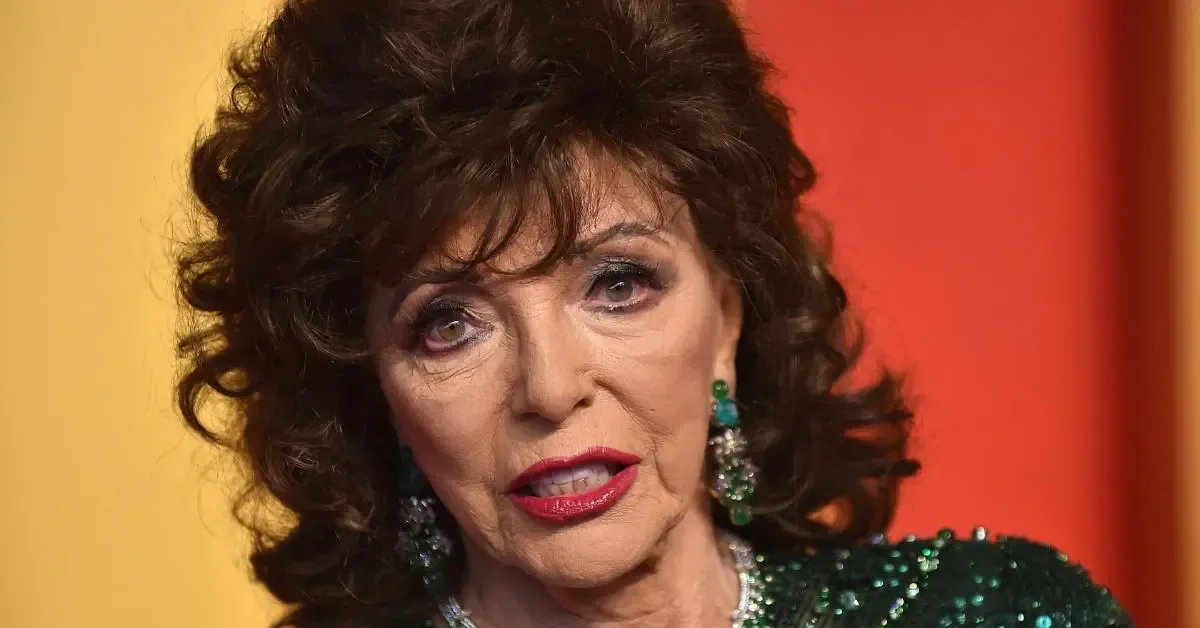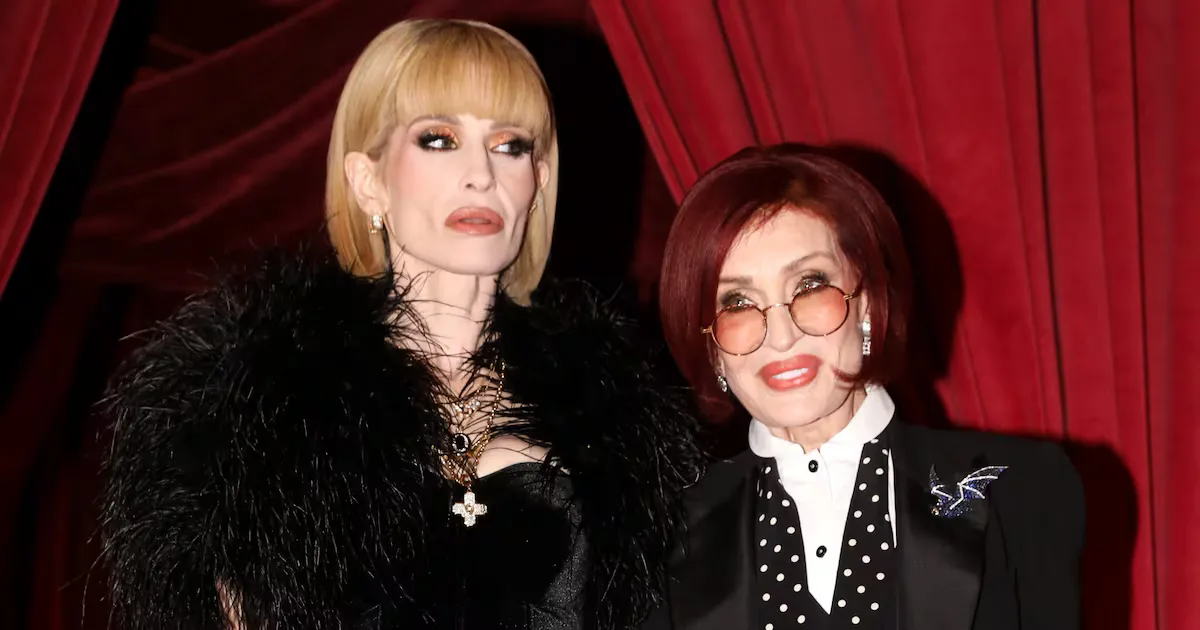
Kelly Osbourne's recent weight loss has once again thrust her into the spotlight, particularly after her appearance at the BRIT Awards 2026. The 41-year-old reality star accompanied her mother, Sharon Osbourne, 73, on stage in Manchester on Saturday to accept the Lifetime Achievement award on behalf of her late father, Ozzy Osbourne. This emotional moment, however, quickly drew 'danger zone' comments online about Kelly's appearance, prompting her to speak out forcefully against body shaming.
The BRIT Awards Moment and Immediate Backlash
The BRIT Awards 2026 served as a heartfelt tribute to Rock and Roll Hall of Famer Ozzy Osbourne, the Black Sabbath frontman who passed away on July 22, 2025, at age 76. Kelly and Sharon's onstage presence, captured in photos and videos, circulated widely on social media. Viewers under the official BRIT Awards YouTube video expressed unease: "Kelly looks sick!" one wrote, while another noted, "Kelly looks like she nearing her 70's."
More pointed criticism emerged, with one commenter stating, "As much as I hate to comment about someone's appearance...Kelly has hit the danger zone. That's extremely concerning." Blunt remarks called her look "scary," likening her to "a walking skeleton." These Kelly Osbourne weight loss comments echoed similar reactions under her recent Instagram posts, including accusations of using Ozempic and labels like "a skeleton in a dress" or "Is she a zombie?"
Kelly Osbourne's Fierce Instagram Response
Kelly addressed the negativity directly via her Instagram stories, emphasizing the cruelty amid her personal struggles. "There is a special kind of cruelty in harming someone who is clearly going through something," she wrote. She continued, "Kicking me while I'm down, doubting my pain, spreading my struggles as gossip, and turning your back when I need support and love most."
"None of it proves strength; it only reveals a profound absence of compassion and character. I'm currently going through the hardest time in my life. I should not even have to defend myself. But I won't sit here and allow myself to be dehumanized in such a way!" Kelly declared. Though she didn't specify the comments, her shrunken appearance has fueled Kelly Osbourne BRIT Awards weight loss discussions for months.
"Literally can't believe how disgusting some human beings truly are! No one deserves this sort of abuse!" – Kelly Osbourne, responding to a comment calling her a "dead body" on Feb. 23.
This marked the second time in a week she tackled online hate, sharing a screenshot of a particularly vicious remark: "Looks like a dead body... She's tooooo thin and fragile... Looks like she's going to see her dad soon."
Family Grief and the Context of Ozzy's Passing
The timing of these comments amplifies their insensitivity, coming shortly after Ozzy Osbourne's death. The Osbourne family has been navigating profound loss, with Kelly openly sharing her grief. Public appearances like the BRIT Awards become pressure points, where personal mourning intersects with scrutiny over physical changes.
Precision tracking for your journey
Join thousands using Shotlee to accurately track GLP-1 medications and side effects.
📱 Get the Shotlee App
Track your GLP-1 medications, peptides, and health metrics on the go with our mobile app!
A Lifetime of Body Scrutiny for Kelly Osbourne
Kelly's experience with weight criticism dates back to her rise to fame in 2002 via MTV's The Osbournes, which chronicled her family's life. In May 2024, on The Osbournes Podcast, she revealed early pressures: her agency told her she "needed to lose weight" and was "too fat for TV" as a child. This history underscores a pattern of celebrity body shaming, where public figures face relentless judgment regardless of their choices.
Ozempic Accusations and the Rise of GLP-1 Medications in Public Discourse
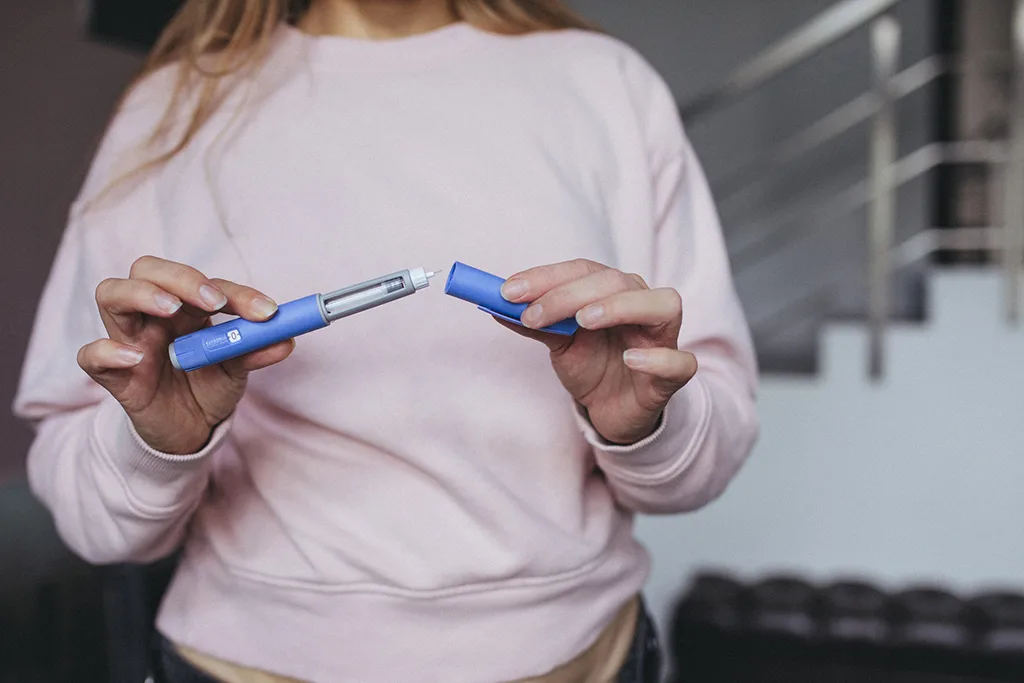
Among the comments were direct accusations of Ozempic use, reflecting broader conversations around GLP-1 medications like semaglutide (Ozempic, Wegovy). These drugs, originally for type 2 diabetes and later embraced for weight management, mimic hormones to reduce appetite and slow gastric emptying, promoting significant weight loss. Celebrities have popularized them, but rapid changes often spark health concerns.
While Kelly hasn't confirmed using Ozempic or any peptide therapy, the speculation highlights how metabolic health tools enter pop culture narratives. For those experiencing similar scrutiny, tracking progress with apps like Shotlee can help monitor symptoms, side effects, or medication schedules objectively, providing data for doctor discussions.
How GLP-1s Like Ozempic Work for Weight Loss
- Mechanism: Activate GLP-1 receptors to signal fullness, regulate blood sugar, and reduce calorie intake.
- Typical Outcomes: 15-20% body weight reduction in clinical use, but individual results vary.
- Common Side Effects: Nausea, gastrointestinal issues; rare risks include pancreatitis or thyroid concerns—always consult a physician.
Comparing Ozempic to Lifestyle or Other Therapies
Ozempic offers targeted metabolic benefits over diet alone, especially for obesity-related conditions. Alternatives like tirzepatide (Mounjaro) combine GLP-1/GIP action for potentially greater efficacy. However, sustainable weight loss integrates diet, exercise, and professional guidance, not just medication.
Health Implications of Rapid Weight Loss
Extreme weight loss, whether from GLP-1s, diet, or stress (like grief), raises valid concerns. Signs of unhealthy loss include muscle wasting, fatigue, or nutrient deficiencies. Medical experts recommend:
- Gradual loss of 1-2 lbs/week.
- Regular check-ins for metabolic health markers (e.g., BMI, bloodwork).
- Support for mental health, as body image issues compound emotional strain.
Patients considering Ozempic or peptide therapy should discuss family history, goals, and monitoring with providers. Tools like Shotlee aid in logging side effects or adherence, empowering informed decisions.
Practical Guidance for Those Facing Weight Loss Scrutiny
If you're dealing with public or personal judgment on your metabolic health journey:
- Consult Professionals: Endocrinologists or weight management specialists can tailor GLP-1 plans.
- Focus on Health Metrics: Prioritize how you feel over appearance.
- Build Support Networks: Therapy or communities counter shaming.
- Track Objectively: Use journals or apps for progress without bias.
Key Takeaways: Compassion Amid Kelly Osbourne's Story
- Kelly Osbourne's BRIT Awards appearance highlighted grief-stricken vulnerability, not just weight loss.
- Harsh comments like 'danger zone' and Ozempic accusations reveal a lack of empathy.
- Her response advocates for kindness during hardship.
- For metabolic health pursuits, evidence-based approaches with medical oversight matter most.
- Body shaming harms mental well-being—choose support over judgment.
Conclusion: Prioritizing Empathy and Health
Kelly Osbourne's stand against 'danger zone' weight loss comments after the BRIT Awards reminds us of the human cost of online cruelty, especially in grief. While Ozempic and GLP-1 therapies offer real metabolic benefits, the focus should remain on holistic health. Readers navigating similar paths: talk to your doctor, track reliably, and surround yourself with compassion. This story underscores that true strength lies in resilience, not appearance.