
In the ongoing conversation about GLP-1 medications like Ozempic (semaglutide), iconic actress Joan Collins, 92, has made headlines with her firm stance. She stated she'd 'never dream' of using Ozempic after seeing 'too many disastrous faces' and emphasized, 'I don't believe in needles.' This celebrity perspective highlights growing public concerns about aesthetic side effects and the injectable nature of these metabolic health treatments.
What is 'Ozempic Face' and Why Does It Concern Celebrities?
The term 'Ozempic face' refers to the facial changes some users experience with GLP-1 receptor agonists like Ozempic. These drugs promote significant weight loss by mimicking the GLP-1 hormone, which regulates blood sugar, slows gastric emptying, and reduces appetite. While effective for type 2 diabetes and obesity management, rapid fat loss can deplete subcutaneous fat in the face, leading to a gaunt appearance, sagging skin, deepened wrinkles, and hollowed cheeks.
Joan Collins' comment underscores a common observation: the contrast between body weight reduction and preserved facial aging signs. Dermatologists note this occurs because facial fat pads diminish faster in some individuals during accelerated weight loss, exacerbating age-related volume loss. For older adults like Collins, who prioritize maintaining a youthful visage, this visible transformation raises valid aesthetic concerns.
Mechanisms Behind Facial Changes with GLP-1 Drugs
- Appetite suppression and caloric deficit: Leads to overall fat reduction, including in the face.
- Collagen impact: Quick weight loss may outpace skin's elasticity recovery.
- Individual variability: Genetics, age, and starting body composition influence severity.
Patients often notice these changes after 10-20% body weight loss, a benchmark for Ozempic's efficacy in clinical use.
Kelly Osbourne Enters the Ozempic Conversation
Kelly Osbourne recently found herself at the center of that conversation after attending the Brit Awards to accept a posthumous Lifetime Achievement Award on behalf of her late father, Ozzy Osbourne.
Following the ceremony, the 41-year-old addressed harsh commentary about her appearance.
"There is a special kind of cruelty in harming someone who is clearly going through something," Kelly said.
"Kicking me while I'm down, doubting my pain, spreading my struggles as gossip, and turning your back when I need support and love most," she added.
"None of it proves strength, it only reveals a profound absence of character. I'm currently going through the hardest time of my life. I should not even have to defend myself. But I won't sit here and allow myself to be dehumanised in such a way," she concluded.
Precision tracking for your journey
Join thousands using Shotlee to accurately track GLP-1 medications and side effects.
📱 Get the Shotlee App
Track your GLP-1 medications, peptides, and health metrics on the go with our mobile app!
Osbourne's emotional response highlights the personal toll of public scrutiny, especially amid speculation linking her slimmer look to GLP-1 therapies. While she hasn't confirmed Ozempic use, her story reflects broader experiences where weight loss achievements intersect with body-shaming.
GLP-1 Medications: Benefits Beyond Weight Loss
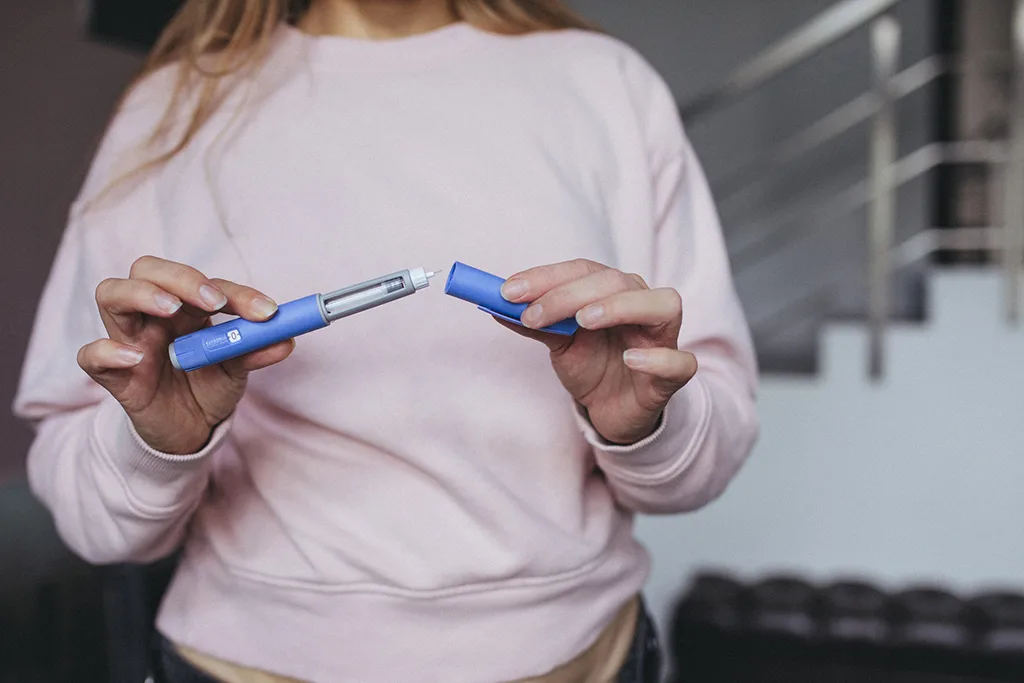
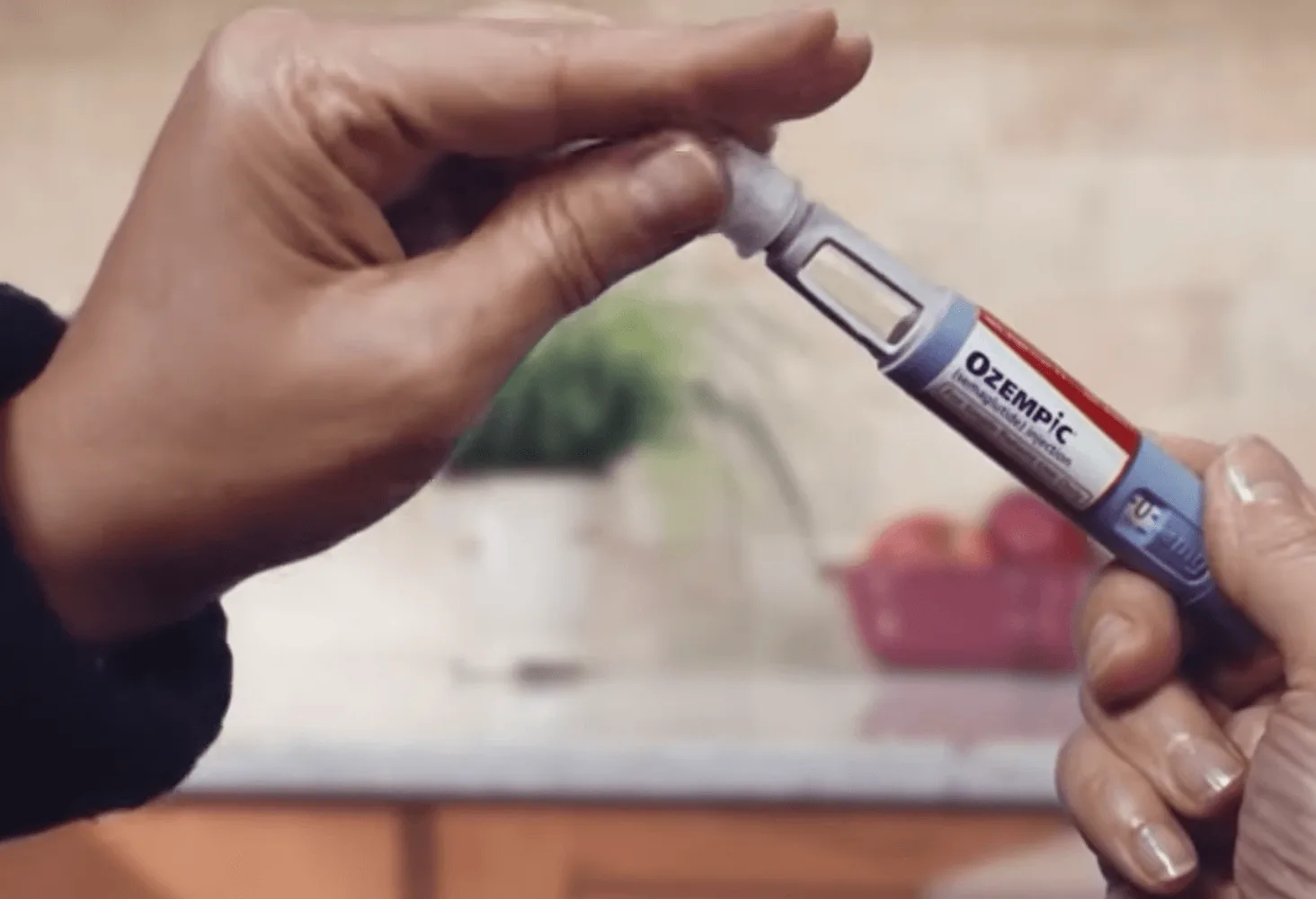
Ozempic, a once-weekly injectable semaglutide, is FDA-approved for type 2 diabetes and chronic weight management. By activating GLP-1 receptors in the pancreas, gut, and brain, it improves glycemic control, supports cardiovascular health in some patients, and aids sustainable weight reduction. However, its injectable delivery—via subcutaneous needle—deters needle-phobic individuals like Joan Collins.
These therapies address metabolic health holistically, targeting insulin resistance and inflammation key to conditions like prediabetes and obesity-related comorbidities.
Addressing the Needle Concern
Joan Collins' aversion to needles is shared by many. Ozempic requires self-administration with a pen device, though training simplifies it. Emerging options include oral semaglutide (Rybelsus), a daily pill for diabetes, bypassing injections entirely. For weight loss, tirzepatide (Mounjaro/Zepbound) offers dual GLP-1/GIP action in injectable form but with potentially faster results.
| Medication | Form | Primary Use |
|---|---|---|
| Ozempic (semaglutide) | Weekly injection | Diabetes, weight loss |
| Rybelsus (semaglutide) | Daily oral | Diabetes |
| Mounjaro (tirzepatide) | Weekly injection | Diabetes, weight loss |
Safety Profile and Managing Side Effects
Common Ozempic side effects include nausea, vomiting, and gastrointestinal issues, often transient. Aesthetic concerns like 'Ozempic face' are not universal but manageable with dermatological interventions such as fillers, skin-tightening treatments, or hyaluronic acid boosters to restore volume.
Serious risks like pancreatitis or thyroid tumors are rare, per labeling. Patients should monitor for dehydration from GI effects and consult providers for personalized risk assessment.
Practical Tips for GLP-1 Users
- Start low-dose to minimize side effects.
- Hydrate and eat protein-rich meals to support skin health.
- Discuss cosmetic concerns pre-treatment; consider gradual titration.
- Track symptoms with apps like Shotlee for medication schedules and side effect logging.
Who should consider Ozempic? Adults with BMI ≥30 (or ≥27 with comorbidities) under medical supervision. Always weigh benefits against personal tolerances, like needle use or aesthetic priorities.
Key Takeaways: What This Means for Patients
- Joan Collins' rejection spotlights real aesthetic risks of rapid weight loss with Ozempic, validating patient hesitations.
- Kelly Osbourne's defense reminds us of the humanity behind public figures facing scrutiny.
- GLP-1 drugs offer metabolic benefits but require holistic consideration of delivery method and side effects.
- Consult healthcare providers for alternatives matching lifestyle—injectables for efficacy, orals for convenience.
- Prioritize skin health strategies alongside weight goals for balanced outcomes.
Conclusion
Joan Collins' candid dismissal of Ozempic due to 'disastrous faces' and needles, alongside Kelly Osbourne's poignant response to appearance critics, fuels essential dialogue on GLP-1 therapies. These medications transform metabolic health but aren't one-size-fits-all. Patients should discuss options, monitor changes, and integrate supportive care for optimal results. For related topics like peptide therapy comparisons or heart health benefits, explore our guides on semaglutide alternatives and weight loss strategies.