Loading.
Preparing your Shotlee experience

Food industry giants are strategizing how to navigate the increasing use of weight-loss medications like Ozempic. This involves reformulating products to appeal to users of these drugs and focusing on consumer segments less likely to use them.
Last November, key executives from a major global corporation convened at a Swiss resort. Their mission: to devise a strategy to counter a growing concern.
The threat wasn't a takeover attempt or a cost surge; it was the emergence of a new class of drugs. Nestle's investors had voiced concerns that consumers were increasingly rejecting their processed, sugary snacks, even before the introduction of a blockbuster weight loss medication.
In her new book, "Off the Scales: The Inside Story of Ozempic and the Race to Cure Obesity," Reuters columnist Aimee Donnellan explores how major food companies are adapting to a post-semaglutide landscape.
Donnellan noted that a representative from a large food manufacturer admitted the difficulty of selling healthy options profitably, stating that it wasn't their core business model. Instead, these corporations are seeking methods to make processed foods appealing to Ozempic users, who are increasingly avoiding them.
For McDonald's, this challenge arrives at a particularly difficult time. Donnellan's book highlights the scramble among Big Food companies to adjust to this new reality.
She noted the belief among Ozempic's creators that these drugs will become as common as Viagra, used widely for a specific condition – in this case, obesity. Health tracking apps like Shotlee can help monitor weight and related health metrics, which can be useful for both users and non-users of such medications.
The fast-food chain, with over 13,000 US locations, experienced a 3.6 percent drop in US sales in the first quarter of the year, a stark contrast to the over ten percent growth seen from 2021 to 2023. McDonald's full-year sales for 2024 showed a modest 0.2 percent increase.
Donnellan suggested that the high cost of food, coupled with the rise of weight loss drugs, is impacting consumer behavior. The popularity of these drugs is causing more affluent customers to reconsider their usual burger and fries orders.
McDonald's previously attempted to introduce salads but discontinued them in 2020 due to low demand.
Donnellan suggests their current strategy appears to focus on increasing sales among lower-income individuals, who are less likely to have access to these medications. She argues that the food industry is largely focusing on those who cannot afford these drugs.
McDonald's has extended its five-dollar meal deal, which includes a McDouble or McChicken sandwich, small fries, four McNuggets, and a small drink for $5. Initially launched in June 2024, it has been extended to mid-2025.
Nestlé seems to be pursuing a different strategy, aiming to re-engage Ozempic users by developing foods tailored to this new consumer group.
With one in eight Americans having tried a GLP-1, and approximately 1.5 million weight loss drug prescriptions written monthly, the market size is comparable to that of vegans (around three million) and vegetarians (around 13 million), according to Gallup.
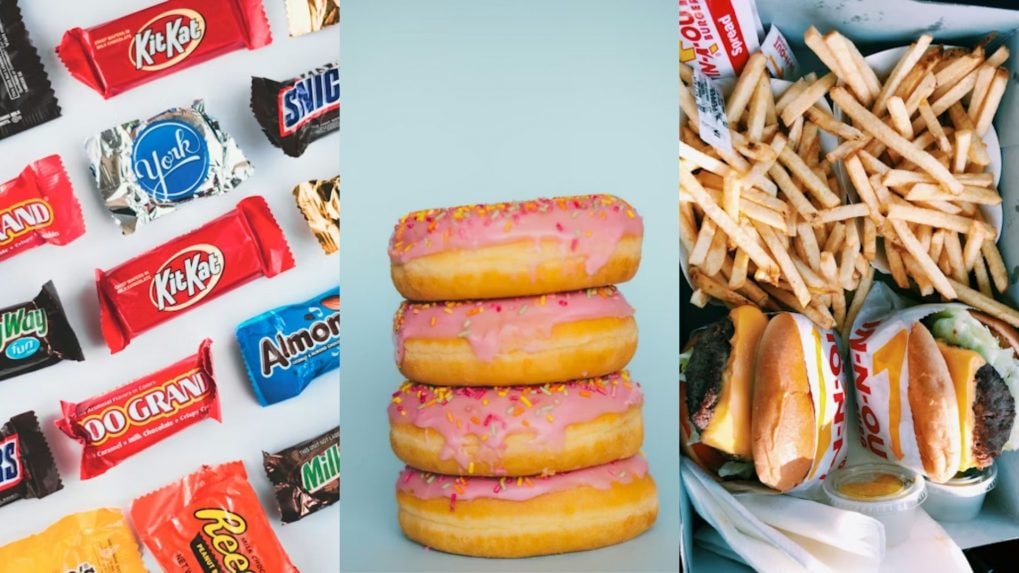
In September of the previous year, the company introduced its Vital Pursuit line of ready meals, featuring protein-enriched pizzas and pastas. These nutrient-enhanced foods are designed to counteract the muscle loss associated with the low-calorie diets of weight loss drug users. The marketing materials explicitly state that these foods are intended for GLP-1 users and those focused on weight management.
This brand also features fiber-rich options, such as the Max Pro chicken and spinach bowl. GLP-1s can cause constipation, which can be alleviated by fiber-dense meals.
In December, Nestlé expanded this line with four-ounce shakes called Boost Pre-Meal Hunger Support, designed to assist in maintaining weight loss.
Donnellan reports that Nestlé has also entered the supplement market, launching GLP-1 Nutrition, offering nutrients that weight loss drug users may lack, such as capsules for hair thickness and peptides to address deficiencies. Some users have reported hair loss as a side effect of these medications.
Donnellan reports that Nestlé executives presented these products at the Swiss Alps meeting, showcasing the new shake line to investors.
Donnellan argues that this was intended to reassure investors that Nestlé, a food industry leader with $100 billion in annual sales, is adapting to the trend. However, she suggests that the 'rapid scramble' may indicate underlying concerns.
Amrita Bhasin, a food expert, noted that weight loss drugs have prompted companies to increase protein and fiber in their foods, potentially making them healthier.
She stated that companies are now prominently featuring terms like 'protein' and 'fiber' on their packaging. She added that this has encouraged the industry to become healthier and people are buying less junk food, sugary drinks, or cereals. She also noted that current figures show a decline in these purchases.
She also mentioned other brands that have attempted to create products aimed at health-conscious consumers, such as Starbucks, which introduced a line of protein-infused coffees this year.
Additionally, cereal brands are considering smaller box sizes, which may appeal to consumers who want to avoid waste.
The food industry is also working to develop foods that even Ozempic users, who are rejecting traditional processed treats, will find appealing.
Mattson, a food consultancy, is among those searching for this 'magic formula' to overcome Ozempic's appetite-suppressing effects. Recent ideas include protein-infused NourishFit Brownie Bites, protein-rich mozzarella sticks, and fried chicken wrapped in an edible leaf. Other ideas in development include Bird-gers, a blend of frozen vegetables and seasoning for turkey meat, two-ounce yogurt pouches, and satiety gums.
Chris Bellamy, a food development expert, noted that some companies are developing foods with different textures to appeal to GLP-1 users. He stated that while Ozempic reduces food cravings and enjoyment, new ways to create satisfaction during eating are being explored. This includes extra-crunchy foods and those focused on mouth-feel experiences.
Ozempic may have ignited a battle with Big Food, but they are prepared to fight back.
⚠️ Disclaimer: This article is for informational purposes only. Consult your healthcare provider before starting any medication or supplement.
Original content from News Flash
View Original Article
An affordable and readily accessible medication is gaining attention as a potential solution for curbing alcohol cravings, drawing comparisons to the way GLP-1 drugs manage food cravings. Naltrexone, by impacting dopamine-reward pathways, reduces the satisfying feeling associated with alcohol consumption, thus diminishing the desire for it. Research and anecdotal evidence suggest it could be a game-changer for many.
Mounjaro, a drug by Eli Lilly, is set to be included in China's state-run health insurance program for individuals with type 2 diabetes starting January 1. This inclusion aims to improve access to the medication, although increased sales may be balanced by reduced prices. The drug was introduced in China earlier this year.

The World Health Organization (WHO) has provided new guidance on using GLP-1 drugs like Ozempic and Wegovy for obesity. The recommendations include considerations for adults and highlight the importance of lifestyle changes alongside medication.
Monitor GLP-1 medications, peptide therapy, weight loss, and wellness metrics with our comprehensive health tracking app. Join thousands of users taking control of their health!
Start Tracking Free Forever! ✨