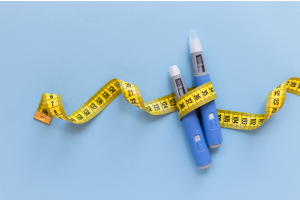
"I thought I was getting a trusted weight-loss medication, but instead, I ended up sick and scammed."
Fiona turned to Ozempic for weight loss amid high demand and soaring prices. She ordered from an online pharmacy found on social media. Soon after starting, she faced severe side effects like migraines, dizziness, and nausea.
"When my symptoms worsened, I knew something was wrong," she shared. A doctor friend compared her packaging to authentic Ozempic—it didn't match. The pharmacy ghosted her refund request, leaving her scammed and wary of online buys.
The Surge in GLP-1 Medication Scams
Surging interest in GLP-1 medications has sparked widespread scams. Online searches reveal crowded ads, telehealth offers, and social media promises of easy access.
GLP-1 (glucagon-like peptide-1) drugs regulate blood sugar and appetite. Prescribed for Type 2 diabetes for nearly 20 years, some like Wegovy and Mounjaro are FDA-approved for weight management.
These injectables require medical supervision and a valid prescription—no legitimate over-the-counter versions exist. A recent poll shows 1 in 8 U.S. adults using GLP-1 drugs for weight loss.
High demand, limited supply, and high prices create scam opportunities. Threat researchers note phishing and fake sites tied to GLP-1 drugs rose over 180% during demand peaks, with hundreds of risky domains and scam messages.
Consumer complaints spike from fake ads, fraudulent pharmacies, and scam texts promising instant prescriptions.
Common Scammer Tactics Targeting GLP-1 Buyers
- AI-generated endorsements: Scammers use AI for fake videos of celebrities like Oprah or doctors promoting products. These lead to scam purchase pages.
- Red flag: Ads claiming celebrities or doctors sell GLP-1 drugs via links or social media.
- Unsolicited approvals: Urgent texts, emails, or DMs claiming you're "eligible" for treatment, linking to fake sites that steal info.
- Red flag: Real prescriptions aren't issued via unsolicited messages.
- Discounted fakes: Sites offer GLP-1 medications cheaply without prescriptions, delivering nothing, diluted products, or repeated charges.
- Red flag: No prescription required, no U.S. address/phone, or chat-only support.
- Hidden subscriptions: "Free trials" lock into recurring billing with vague terms.
- Red flag: Unclear billing or no cancellation options.
- Fake shipping: Tracking that stalls, lost package claims, or extra fees.
- Red flag: No real customer service.
Health Risks of Counterfeit GLP-1 Drugs
Unlike typical scams, fake GLP-1 drugs pose serious health dangers. Victims receive mislabeled injectables or unknown substances affecting blood sugar and metabolism.
Wrong dosages or impurities can cause severe reactions. Scams also steal personal data like addresses, payments, and insurance during purchases.
Safe Ways to Access GLP-1 Medications
- Consult a doctor to determine if GLP-1 therapy suits you.
- Use licensed telehealth or pharmacies that require prescriptions.
- Verify unfamiliar sites via consumer resources before sharing info.
- Avoid "natural GLP-1," patches, or supplements claiming similar effects—they don't work like prescriptions.
If you've engaged with a suspicious site, report to the FDA to curb scams.
How to Spot Fake GLP-1 Packaging and Products
Counterfeit GLP-1 medications mimic originals but reveal flaws on inspection. If something feels off, stop use and consult a pharmacist.
Key Checks for Authenticity
- Poor print quality: Spelling errors, blurry text, inconsistent fonts, or wrong manufacturer details on carton, label, or insert.
- Tampered packaging: Unsealed, resealed, or unfamiliar boxes compared to legitimate ones.
- Missing English labels: U.S. meds include English instructions; foreign-only packaging is suspect.
- Unusual forms: Powders in vials for mixing aren't authorized and risk health issues.
- Lot/serial numbers: Verify against manufacturer or regulator info; missing or mismatched numbers signal fakes.
For injectables like semaglutide or tirzepatide, err on caution. Prioritize verified sources for safe weight management.