Lockwood is executive vice president of USF Health and dean of the University of South Florida's Morsani College of Medicine. Gallo is founding director of the USF Institute for Translational Virology & Innovation and co-founder and international scientific director of the Global Virus Network. Vermund is senior associate vice president of USF Health and dean of the University of South Florida College of Public Health.
As the nation selects its next Centers for Disease Control and Prevention (CDC) director, restoring public trust emerges as the most pressing challenge for U.S. pandemic preparedness. Five years after the COVID-19 peak, threats like spreading avian influenza, declining vaccination rates, and resurgent measles and dengue outbreaks underscore ongoing vulnerabilities. Without rebuilding confidence, even expert guidance cannot safeguard public health, economic stability, or national security.
The COVID-19 Legacy: How the CDC Lost Public Trust
COVID-19 resulted in more than 1.2 million U.S. deaths, revealing not a deficit in expertise, but failures in focus, speed, and credibility. Early diagnostic testing shortages left the country unprepared during a pivotal phase. Fragmented data systems across states and jurisdictions caused delays and inconsistencies, compelling policymakers to navigate high-stakes decisions amid uncertainty.
Communication breakdowns exacerbated these issues. Scientific uncertainty is inherent in crises and demands humble acknowledgment. Yet, guidance was often issued with undue certainty and updated too slowly as evidence emerged. Measures like prolonged school closures and outdoor activity restrictions lacked transparent explanations of benefits, limitations, and trade-offs. When policies shifted—as they must in evolving situations—explanations were inadequate, breeding confusion, frustration, and distrust.
Pew Research Center data captures this decline: confidence in public health officials dropped from 79% in March 2020 to 54% by September 2022. Credibility is the CDC's cornerstone; without it, sound recommendations lack the broad support needed for effective implementation.
Why Trust Matters in Public Health Crises
Public trust directly influences compliance with interventions, from vaccination drives to quarantine protocols. Historical successes, like eradicating smallpox or controlling polio, hinged on community buy-in. In contrast, eroded trust during COVID amplified hesitancy, prolonging the pandemic and inflating costs. For the next CDC director, reversing this trend requires aligning technical prowess with operational agility and transparent messaging.
An Inflection Point for CDC Reform
The CDC faces a pivotal moment. Pandemic lessons do not call for weakening the agency but refocusing it on its core mission after mission drift. New leadership, coupled with Washington's push for efficiency, offers a window to restore confidence through faster execution, prioritized efforts, and superior communication. Reports from the Government Accountability Office and National Academies have pinpointed failures, setting the stage for action.
The next director must implement reforms with urgency, clarity, and precision to meet future emergencies. Below are the six essential priorities, each building on the agency's strengths while addressing proven weaknesses.
1. Prioritize Pandemic and Infectious-Disease Surveillance
Surveillance remains the CDC's paramount duty. This entails expanding genomic sequencing to track pathogen evolution, enhancing wastewater monitoring for diverse pathogens to gauge community transmission, and forging early-warning alliances with groups like the Global Virus Network. Future pandemics may provide detectable signals; rapid detection and response can avert widespread crises.
Practical Implications: Enhanced surveillance enables proactive measures, such as targeted quarantines or vaccine development, potentially saving lives and minimizing economic disruption. Communities benefit from localized alerts, fostering trust through demonstrated foresight.
2. Modernize Public Health Data Infrastructure
With $5.3 trillion in annual U.S. health care spending, fragmented, outdated data systems are indefensible. The next director should mandate real-time, standardized interstate reporting, linking federal funds to interoperability and compliance. In crises, untimely or unreliable data proves lethal, as seen in 2020's fog of fragmented metrics.
Precision tracking for your journey
Join thousands using Shotlee to accurately track GLP-1 medications and side effects.
📱 Get the Shotlee App
Track your GLP-1 medications, peptides, and health metrics on the go with our mobile app!
Why It Matters: Unified data platforms enable swift trend analysis, resource allocation, and policy calibration. This infrastructure upgrade positions the CDC as a reliable hub, rebuilding trust via consistent, actionable insights for states and localities.
3. Build Diagnostic Surge Capacity as National Infrastructure
Treat diagnostics as vital infrastructure: prevalidate scalable testing platforms, including point-of-care options, via public-private partnerships for instant deployment. 2020's delays stemmed from systemic flaws; correcting them ensures readiness.
Patient Guidance: Reliable, accessible testing empowers individuals to make informed choices, reducing anxiety and enhancing compliance. Discuss testing access with healthcare providers to stay ahead of outbreaks.
4. Uphold Visible Scientific Integrity
Recommendations must stem from transparent evidence, delineating data, interpretation, and policy. Open, rigorous advisory processes, shielded from politics or ideology, are non-negotiable.
Restoring Credibility: Transparency counters perceptions of bias, as public scrutiny demands verifiable processes. This fosters long-term authority, encouraging adherence to guidance.
5. Elevate Communication as a Core Competency
Crisis communication prioritizes accuracy, clarity, and timeliness over perfection. Use plain language to outline knowns, uncertainties, and potential shifts. This builds the confidence essential for compliance.
Best Practices: Regular updates via multiple channels, with visuals and FAQs, demystify science. The next director should lead by modeling humility and adaptability.
6. Renew Focus on Chronic Diseases and Mental Health
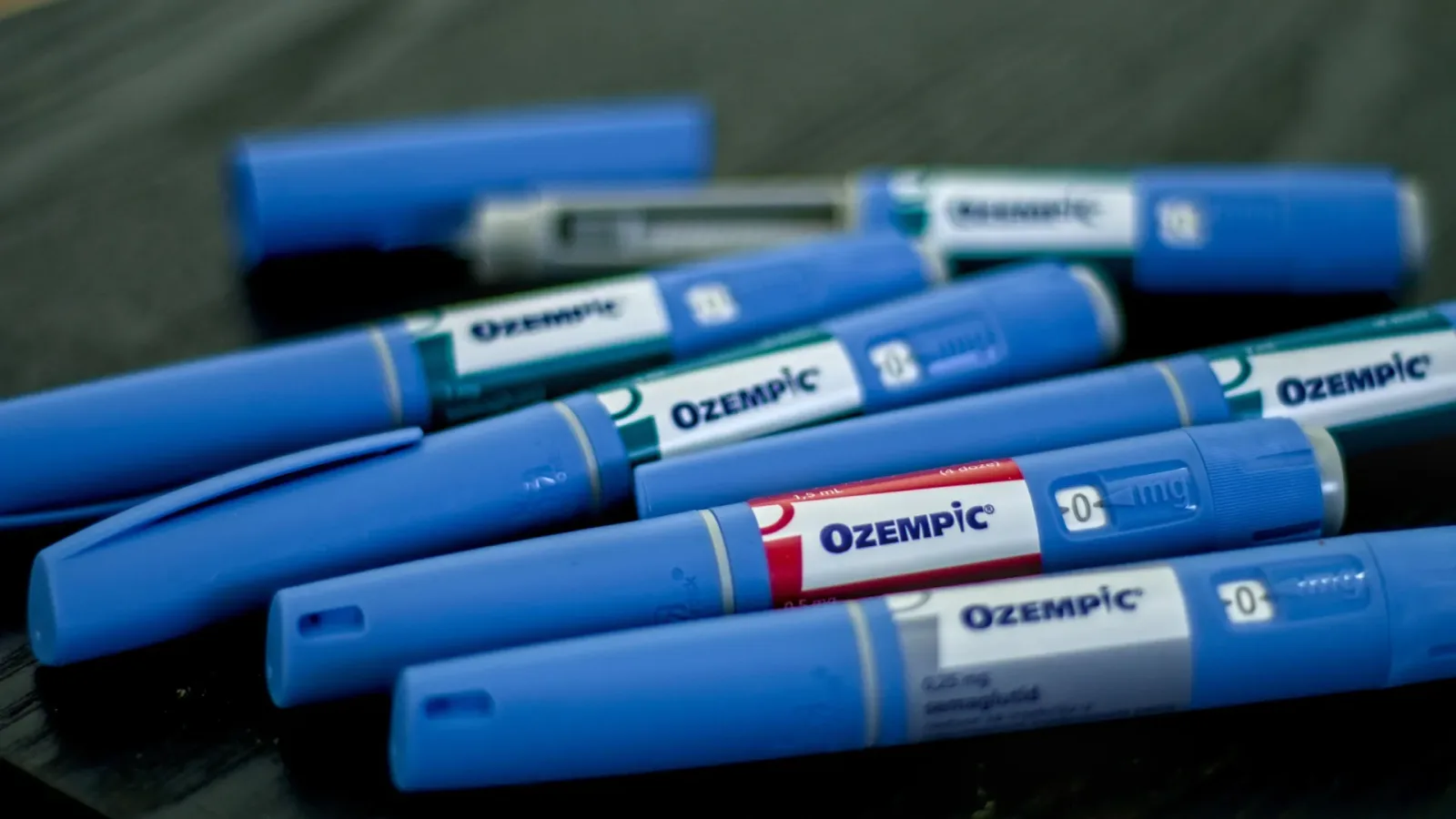
Chronic conditions and mental health account for 90% of health spending and top causes of death. Prioritize pregnancy outcomes, HHS nutrition efforts, behavior interventions, and surveillance for scalable solutions. Integrate emerging tools like GLP-1 therapies into evidence-based strategies. Yet, this must not eclipse infectious disease protection.
Holistic Approach: Addressing root causes like obesity via GLP-1 medications (e.g., semaglutide) reduces long-term burdens, complementing acute response. Tools for tracking symptoms or medication adherence can support patients in managing metabolic health.
Key Takeaways: What This Means for Public Health
- The CDC's COVID failures stemmed from operational and communication lapses, not expertise deficits.
- Public trust fell from 79% to 54%, imperiling future responses.
- Six priorities—surveillance, data, diagnostics, integrity, communication, chronic focus—guide the next director.
- Reforms leverage past triumphs like Legionnaires' disease and HIV tracking.
Conclusion: Positioning the CDC for Future Threats
As physician-scientists with decades combating preventable diseases, the authors affirm public health's lifesaving potential. Another pathogen looms; institutional credibility will determine if it's contained or catastrophic. The next CDC director must reestablish scientific authority, delivering evidence-based guidance for state action and preemptive preparedness.
The CDC need not excel universally—only in essentials. Speed, clarity, and trust distinguish control from crisis, securing America's health resilience.