
Health Canada Warns Against Buying Peptides Online—CBC News Buys Them Easily
Health Canada's recent warning against purchasing unauthorized injectable peptides online underscores growing concerns in peptide therapy and metabolic health. Despite the alert issued last Thursday, CBC News was able to buy three such products from online sellers, highlighting enforcement challenges and consumer risks. This incident spotlights the regulatory gaps surrounding peptides, short chains of amino acids vital for growth, metabolism, and healing, while contrasting them with approved medications like GLP-1 receptor agonists.
Health Canada's Official Warning and Reported Adverse Reactions
Health Canada explicitly advised the public not to buy or use unauthorized injectable peptide drugs. In response to CBC News inquiries, the agency revealed it had received four complaints over six months about adverse reactions in individuals who used these products. While a causal link between the unauthorized peptides and these effects has not been established, the department emphasized the potential dangers.
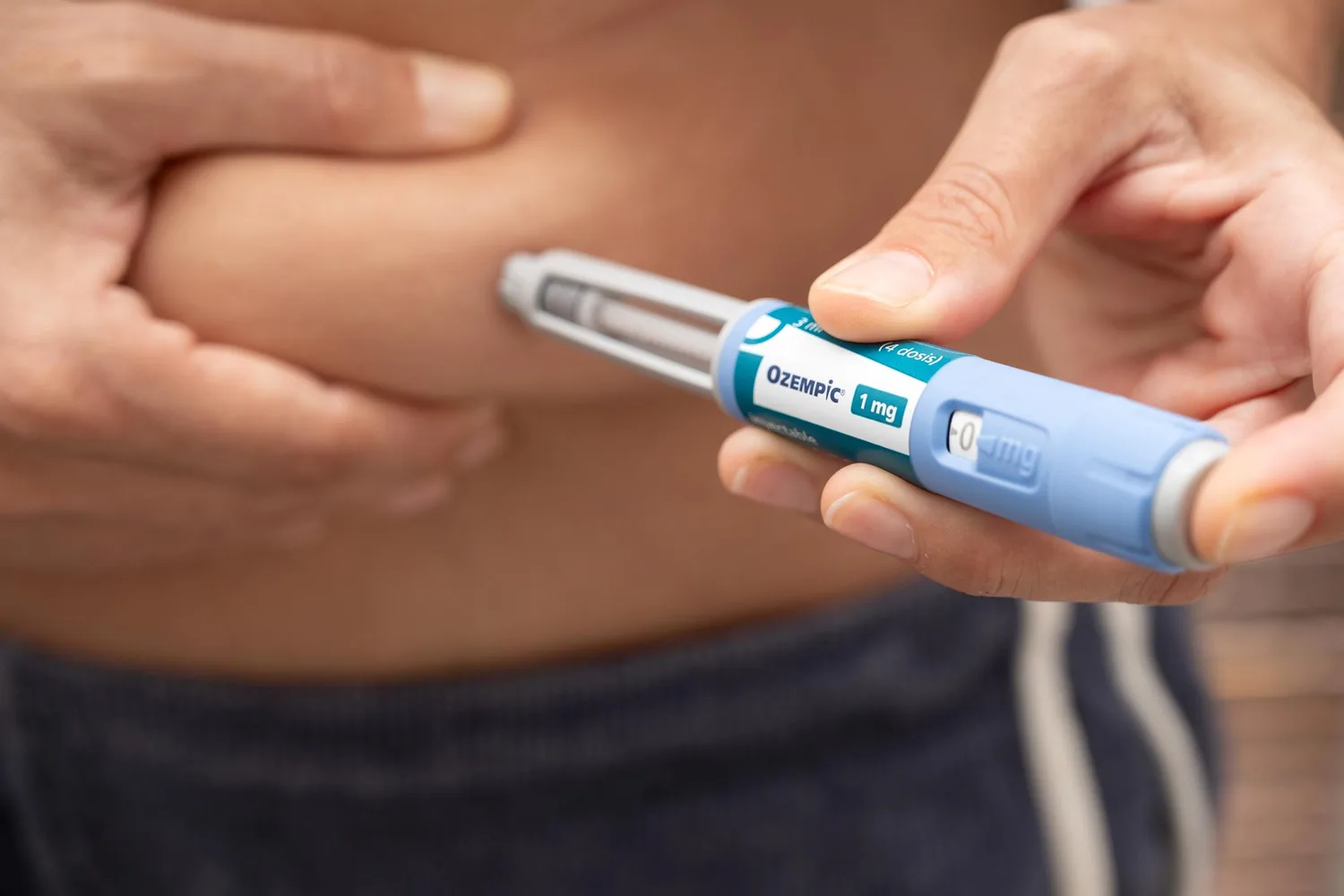
Peptides play crucial roles in biological processes, serving as building blocks for proteins involved in metabolic regulation and tissue repair. However, unauthorized versions enter a regulatory grey zone, lacking rigorous testing. Health Canada does regulate certain peptides as prescription drugs, such as glucagon-like peptide-1 receptor agonists (GLP-1s), including Ozempic, Wegovy, and Mounjaro, which are approved for treating obesity and diabetes.
Seizures and Ongoing Market Presence
The agency has seized several unauthorized injectable peptides, but many more remain available online. Products claiming benefits like improved sleep, muscle building, and anti-aging are marketed aggressively, often shipped as powders labeled "for research purposes only," with explicit warnings against human or veterinary use and no accompanying instructions.
CBC News Investigation: Easily Accessing Risky Products
Demonstrating the accessibility issue, CBC News purchased three peptide products from different companies shortly after Health Canada's warning. These arrived as lyophilized powders requiring user reconstitution for injection—a process fraught with contamination risks. This ease of purchase raises alarms about consumer vulnerability in the peptide therapy space.
Expert Warnings on Purity, Safety, and Unpredictable Effects
Dr. Daniel Drucker, whose research at the Lunenfeld-Tanenbaum Research Institute at Sinai Health in Toronto helped develop GLP-1 medications, cautions against online peptides. "Many of the peptides promoted online do not have a large body of medical evidence showing their safety and effectiveness the way GLP-1s do," Drucker stated.
You might be allergic to it. It might be a substance that your body has never seen before, so you mount an immune response and it can have unintended side effects on many parts of your body that can be potentially even fatal. This is not something we would encourage at all.
Drucker highlights purity concerns: online suppliers perform "almost nothing" compared to the pharmaceutical industry's multi-phase clinical trials, manufacturing standards, and quality controls. Potential risks include hormonal imbalances, growth of cancerous tumors, and liver or kidney damage.
Regulatory Grey Zone Explained
Kinesiology professor Stuart Phillips at McMaster University in Hamilton, Ont., describes unauthorized peptides as occupying a regulatory grey zone. Unlike approved drugs with an eight-digit Health Canada Drug Identification Number or controlled substances like anabolic steroids, these lack human clinical trial data.
Precision tracking for your journey
Join thousands using Shotlee to accurately track GLP-1 medications and side effects.
📱 Get the Shotlee App
Track your GLP-1 medications, peptides, and health metrics on the go with our mobile app!
"People are getting powder in a vial ... mixing it up and injecting themselves," Phillips said. "Like if that doesn't scream high-risk behaviour to you, I'm not sure what does."
Phillips notes that if these peptides were truly effective, pharmaceutical companies would patent and commercialize them. He suspects many were evaluated but abandoned due to weak efficacy or safety issues.
Approved GLP-1 Medications: A Safer Alternative in Peptide Therapy
In contrast, GLP-1 receptor agonists like Ozempic (semaglutide), Wegovy (higher-dose semaglutide), and Mounjaro (tirzepatide) are Health Canada-approved injectables prescribed by doctors for type 2 diabetes and obesity management. These mimic the GLP-1 hormone, which regulates blood sugar by enhancing insulin secretion, slowing gastric emptying, and reducing appetite—mechanisms backed by extensive trials.
Patients considering peptide therapy for metabolic health should prioritize these regulated options. Discuss with a healthcare provider to assess suitability, monitor for side effects like nausea or gastrointestinal issues, and avoid self-administration of unverified products.
Comparing Unauthorized Peptides to GLP-1s
- Evidence Base: GLP-1s have large-scale trials; unauthorized peptides lack this.
- Purity & Manufacturing: Pharma-grade vs. unknown online sources.
- Prescription Requirement: Doctor oversight for GLP-1s; direct-to-consumer for others.
- Known Risks: Well-documented for GLP-1s; unpredictable for unauthorized.
Practical Guidance for Patients Interested in Peptide Therapy
If exploring peptides for metabolic health, weight management, or related benefits:
- Consult a licensed physician for approved options like GLP-1 injections.
- Avoid online purchases labeled "research only"—they're not intended for human use.
- Track symptoms and side effects meticulously; tools like Shotlee can help log medication schedules and reactions for doctor discussions.
- Be wary of claims for sleep, muscle growth, or anti-aging without clinical backing.
Health Canada urges reporting adverse events to protect public safety.
Calls for Tighter Regulation
Phillips advocates for Health Canada to move beyond warnings toward stricter peptide regulations. Enhanced oversight could mitigate risks in this burgeoning market intersecting with metabolic health trends.
Key Takeaways: What This Means for Patients
- Health Canada's warning highlights real risks from unauthorized injectable peptides, with CBC News proving easy online access.
- Stick to approved GLP-1s like Ozempic, Wegovy, and Mounjaro for evidence-based benefits.
- Purity unknowns and injection risks make DIY peptides dangerous—prioritize professional medical guidance.
- Regulatory action may evolve, but caution remains essential today.
Conclusion
This CBC News investigation reinforces Health Canada's stance: unauthorized peptides pose significant, unpredictable risks lacking the safety profile of regulated drugs like GLP-1 medications. Patients seeking metabolic health improvements should engage healthcare providers for personalized, safe options. Stay informed and prioritize verified therapies to avoid potential harm from online peptide purchases.