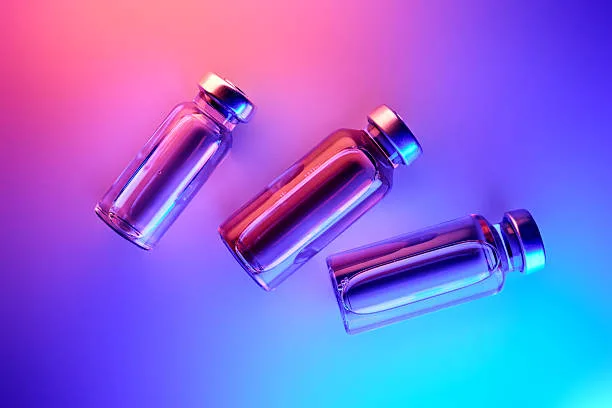
In the pursuit of a toned, muscular physique, a 35-year-old film actor turned to injections recommended by his gym coach, only to be diagnosed with Type 2 diabetes. Despite a strict regimen of diet, exercise, and sleep—and no family history of chronic illnesses—this Mumbai resident's story underscores the dangers of unregulated peptides for muscle building. "I've been taking a few injections to look muscular; my gym trainer suggested them. Everyone's doing it, so I thought it would make me look attractive, toned and fit to get the roles I desire to play on the screen," he shared during consultations.
The Actor's Shocking Diagnosis
The actor admitted to using a cocktail of body-building drugs and supplements for over two years: tamoxifen, a breast cancer drug; growth hormone products; and a mitochondrial peptide called MOTS-c, a building block of protein in a cell's powerhouse or energy reserve. None was prescribed by a doctor. All were sourced through gym networks. His goal was simple: build a better physique. "So many people look up to me when it comes to fitness, I have to maintain my body," he added.
Yet this chemical cocktail had wreaked havoc. Peptides like MOTS-c elevate levels of growth hormones, which interfere with insulin function. They make the body less sensitive to insulin, meaning glucose stays in the bloodstream instead of entering cells. This insulin resistance leads to Type 2 diabetes, just as it did for the actor.
Understanding Tamoxifen and Its Misuse in Bodybuilding
Tamoxifen is used to block estrogen's effects, especially in hormone-sensitive conditions like certain breast cancers. In bodybuilding, gym instructors often use it to combat side effects of muscle-building steroids and prevent breast tissue growth in men by blocking estrogen receptors. However, this is largely extrapolated logic rather than something proven in clinical studies.
Without medical oversight, tamoxifen disrupts hormonal balance, contributing to broader endocrine issues. Patients considering any estrogen modulator should consult an endocrinologist to assess risks like blood clots or impacts on liver function.
MOTS-c: Experimental Peptide with Hidden Dangers
MOTS-c, a mitochondrial-derived peptide, has early research suggesting metabolic benefits, such as improved energy production and fat metabolism. In fitness circles, it's touted for muscle maintenance, recovery, and fat loss. But it is not approved for clinical use anywhere in the world, warns Dr. Rajiv Kovil, head of diabetology and weight loss at Zandra Healthcare in Mumbai, who treated the actor.
"What we are witnessing is a dangerous underbelly of the fitness ecosystem, that is misuse of peptides and hormonal agents without medical supervision or scientific understanding," says Dr. Kovil. Growth hormone compounds, often sourced from unreliable channels with unknown purity and dosing, can lead to serious endocrine disruption.
The Surge in Unregulated Peptides for Fitness and Anti-Aging
Men and women, often in their 20s and 30s, are increasingly turning to unregulated peptides, hormone modulators, and steroids for faster physical transformations. Motivations range from muscle gain and fat loss to anti-aging, driven by social media pressure to conform to body standards.
Peptides are short chains of amino acids that act as biological signals, influencing hormones, metabolism, and cellular function. Popular ones in fitness include:
- BPC-157 and Thymosin Beta-4: Promoted for rapid injury healing and muscle growth, but robust human data is limited.
- Tesamorelin and Ipamorelin: Used for fat loss and lean muscle mass.
- CJC-1295: Increases growth hormone for anti-aging and body composition.
- SS-31: Touted for longevity.
Self-directed use is common, with peptides bought online from sources lacking quality control. Users stack multiple compounds based on anecdotal forum advice, heightening risks of contamination, incorrect dosing, and interactions—especially without long-term safety data.
Precision tracking for your journey
Join thousands using Shotlee to accurately track GLP-1 medications and side effects.
📱 Get the Shotlee App
Track your GLP-1 medications, peptides, and health metrics on the go with our mobile app!
Costs and Hidden Expenses
The financial toll is steep: one patient spent nearly ₹35,000-₹40,000 a month on injections without grasping the health risks.
Social Media and Gym Networks: The Perfect Storm
Doctors point to social media as a major driver. Fitness influencers and "biohackers" promote peptides like CJC-1295 and MOTS-c as shortcuts to fat loss, muscle gain, and longevity—without scientific backing. "These are essentially experimental substances being marketed as lifestyle products. There is no credible human data for many of them. There is an informal supply chain operating outside regulatory oversight and pharmacies. They are being distributed through gym networks and underground channels. It is almost like drug-peddling," explains Dr. Kovil.
Testosterone misuse, another trend, raises prostate complication risks without medical need.
Known Risks Beyond Diabetes
Potential dangers include hormonal imbalances, liver dysfunction, and deep vein thrombosis. In one case, a patient developed a serious clot after bodybuilding injections. "People assume these are harmless because they are marketed as 'advanced' or 'scientific'. But they are anything but safe when used blindly," Dr. Kovil said.
For those experimenting with peptides, tools like Shotlee can help track symptoms, side effects, or schedules, but professional monitoring is essential.
The GLP-1 Confusion: Approved vs. Underground Peptides
The popularity of clinically approved peptide-based drugs like semaglutide, tirzepatide, and liraglutide for diabetes and obesity adds confusion. These have undergone extensive trials and require medical supervision. "Their success has led to the assumption that other peptides will offer similar benefits, even when they have not undergone comparable testing," says Dr. Kovil.
India offers robust, evidence-based weight loss therapies, but extrapolating GLP-1 success to unapproved peptides is scientifically flawed and dangerous. Dr. Aparna Govil Bhasker, consultant bariatric surgeon at MetaHeal Clinic, Saifee, Apollo, and Namaha Hospitals in Mumbai, notes societal pressures from weddings, social media, and image drive misuse. "Unfortunately, most people connect weight loss with appearance, not health."
Expert Advice: Safer Paths Forward
Dr. Kovil emphasizes medical supervision for any peptide or hormone therapy. Discuss goals with a diabetologist or endocrinologist to explore approved options. For muscle building or fat loss, prioritize diet, exercise, and sleep—proven foundations without risks.
Patients with symptoms like fatigue, unexplained glucose spikes, or hormonal changes should get bloodwork, including insulin sensitivity tests.
Key Takeaways
- Unregulated peptides like MOTS-c can cause insulin resistance and Type 2 diabetes.
- Gym-sourced drugs like tamoxifen and growth hormones lack safety data for bodybuilding.
- Social media hype fuels misuse; stick to doctor-prescribed therapies like GLP-1s.
- Monitor health closely; tools like Shotlee aid symptom tracking under guidance.
- Focus on sustainable fitness over shortcuts.
Conclusion: Prioritize Health Over Hacks
The actor's case is not isolated—it's a cautionary tale of fitness hack dangers. By understanding mechanisms like growth hormone-induced insulin resistance and seeking evidence-based care, you can achieve goals safely. Consult professionals to avoid the dark side of peptides.