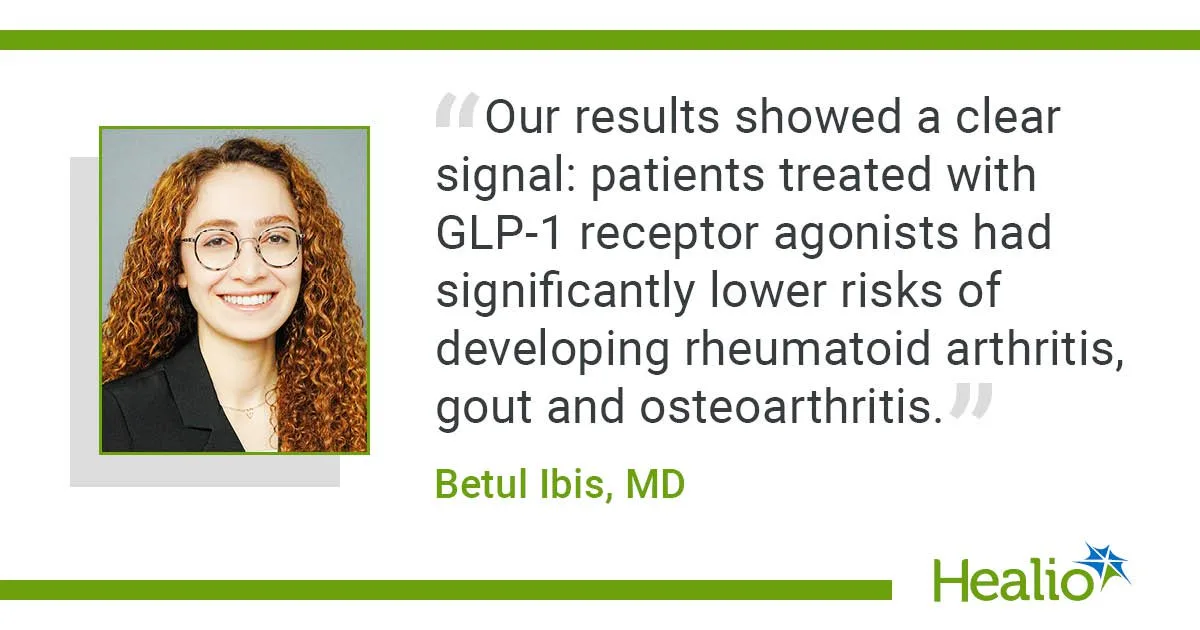

The landscape of health and wellness is constantly evolving, with new discoveries emerging regularly. Recent research presented at ACR Convergence 2025 highlights a fascinating connection between GLP-1 receptor agonists (a type of peptide therapy) and a reduced risk of certain rheumatic diseases, particularly for individuals with diabetes. This is promising news and offers a new perspective on the potential benefits of this class of medications beyond their established roles in weight loss and blood sugar control.
The Connection Between GLP-1s, Diabetes, and Arthritis
Patients with type 2 diabetes often face a higher risk of developing inflammatory and musculoskeletal disorders, including rheumatoid arthritis, gout, and osteoarthritis. This is due in part to the increased inflammation often associated with metabolic dysfunction. GLP-1 receptor agonists, such as semaglutide (found in Ozempic and Wegovy) and tirzepatide (Mounjaro), are commonly prescribed to manage diabetes because of their ability to lower blood sugar, promote weight loss, and provide cardiovascular benefits. The new research delves deeper into their anti-inflammatory effects.
Key Findings from the Study
The study, conducted using data from the TriNetX Analytics Network, compared patients with diabetes treated with GLP-1 receptor agonists to those treated with DPP-4 inhibitors. The results showed a significant reduction in the risk of developing:
- Rheumatoid Arthritis (RA)
- Gout
- Osteoarthritis
This suggests that GLP-1s may offer benefits beyond traditional treatments. According to the researchers, these findings highlight a link between GLP-1 therapy and reduced risk of certain rheumatic diseases, likely due to the drugs' anti-inflammatory properties and influence on metabolic health.
How GLP-1s May Impact Inflammation and Disease
The exact mechanisms behind these findings are still being explored, but researchers suggest that the anti-inflammatory properties of GLP-1 receptor agonists play a key role. GLP-1s may help to mitigate some of the inflammation associated with diabetes, which in turn could decrease the risk of inflammatory conditions like arthritis. This is particularly relevant given that these diseases often have links to metabolic health and inflammation. This study suggests that GLP-1s may be more beneficial for conditions closely linked with metabolic dysfunction.
Precision tracking for your journey
Join thousands using Shotlee to accurately track GLP-1 medications and side effects.
📱 Get the Shotlee App
Track your GLP-1 medications, peptides, and health metrics on the go with our mobile app!
Potential Implications for Health and Wellness
The findings have significant implications for individuals with diabetes, as well as those at risk of developing rheumatic diseases. While more research is needed, this observational study suggests that GLP-1s may offer a multifaceted approach to health management, extending beyond blood sugar control. Understanding the interplay between metabolic health and inflammation is crucial for overall well-being. This can be supported by adopting holistic strategies for better health.
Practical Takeaways: What You Can Do
While the research focuses on GLP-1s, you can still take proactive steps to improve your metabolic health and reduce inflammation:
- Focus on a Healthy Diet: Prioritize whole, unprocessed foods, lean proteins, and plenty of fruits and vegetables. Limit processed foods, sugary drinks, and excessive saturated fats.
- Regular Exercise: Aim for at least 150 minutes of moderate-intensity exercise or 75 minutes of vigorous-intensity exercise per week.
- Manage Stress: Practice stress-reducing techniques such as meditation, yoga, or deep breathing. Chronic stress can exacerbate inflammation.
- Monitor Your Health Metrics: Keep track of key indicators like blood sugar, blood pressure, and cholesterol levels. This is a part of health tracking.
Health Tracking and Your Wellness Journey
Taking control of your health requires proactive tracking and monitoring. While this research highlights the benefits of GLP-1s in managing metabolic health and inflammation, it’s important to remember that these are tools alongside a comprehensive health and wellness plan. Tools like Shotlee can help track key health metrics like blood glucose, activity levels, and weight, providing valuable insights to optimize your health journey, alongside the guidance of a healthcare professional.
Conclusion
The recent findings regarding GLP-1 receptor agonists and their potential to reduce the risk of certain rheumatic diseases are an exciting development in the field of metabolic health. This research emphasizes the intricate link between metabolic function, inflammation, and overall well-being. By focusing on a healthy lifestyle, managing stress, and tracking your health metrics, you can empower yourself to take control of your health and potentially lower your risk of inflammatory diseases. Always consult with your healthcare provider for personalized guidance and treatment options.