
Decoding Clooney's Transformation: Weight Loss, GLP-1s, and Wellness
The internet is buzzing after George Clooney's latest red carpet appearance. His noticeably slimmer physique has ignited conversations about rapid weight loss, with some speculating about the use of medications like Ozempic and Wegovy. But what's the real story, and what are the broader implications of these weight loss trends?
The Rise of GLP-1s: More Than Just a Hollywood Trend
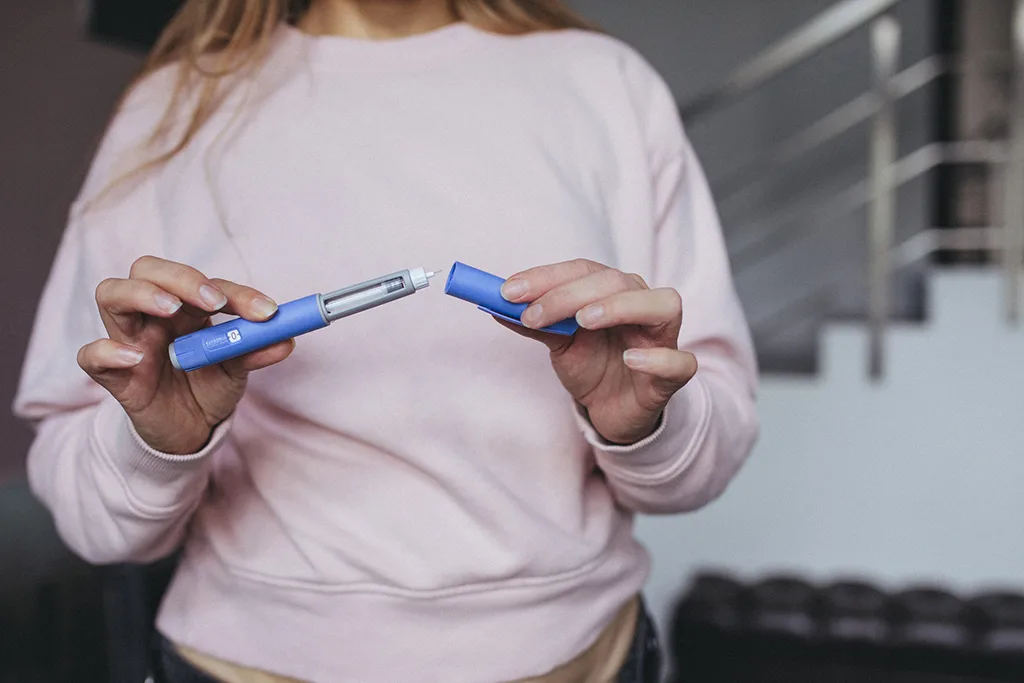
GLP-1 receptor agonists like semaglutide (Ozempic, Wegovy) and tirzepatide (Mounjaro) have become increasingly popular for weight management. Initially developed for type 2 diabetes, these medications mimic the effects of the naturally occurring GLP-1 hormone, which helps regulate blood sugar, slow gastric emptying, and reduce appetite. According to a study in the New England Journal of Medicine, semaglutide led to an average weight loss of nearly 15% in participants.
The buzz around "Ozempic-skinny" highlights a wider trend: the growing acceptance, and potential over-reliance, on pharmaceutical interventions for weight loss. It's important to remember that these medications are not a magic bullet. While they can be effective, they also come with potential side effects, including nausea, vomiting, and diarrhea. Furthermore, sustainable weight loss requires a holistic approach that encompasses diet, exercise, and lifestyle changes.
Beyond the Headlines: Focusing on Metabolic Health and Longevity
Instead of focusing solely on aesthetics, it's crucial to understand the importance of metabolic health. Maintaining a healthy weight is beneficial, but metabolic health encompasses a range of factors, including blood sugar control, cholesterol levels, and blood pressure. Peptide therapy, including research into compounds like BPC-157, is also an area of increasing interest for its potential regenerative and anti-inflammatory properties. While still under investigation, early research suggests potential benefits for gut health and wound healing. It is important to mention that the safety and efficacy of BPC-157 are still being researched and have not been fully established.
Precision tracking for your journey
Join thousands using Shotlee to accurately track GLP-1 medications and side effects.
📱 Get the Shotlee App
Track your GLP-1 medications, peptides, and health metrics on the go with our mobile app!
Improving metabolic health is a cornerstone of longevity. Practices such as regular exercise, a balanced diet rich in whole foods, and stress management can all contribute to a healthier and longer life. Consider these strategies:
- Prioritize whole, unprocessed foods: Focus on fruits, vegetables, lean proteins, and whole grains.
- Engage in regular physical activity: Aim for at least 150 minutes of moderate-intensity exercise per week.
- Manage stress levels: Practice mindfulness, meditation, or yoga.
Peptide Therapy Considerations
It is important to emphasize that the use of peptides such as BPC-157 is still relatively new, and the long-term effects are not yet fully understood. Consult with a qualified healthcare professional before considering peptide therapy to determine if it is appropriate for you and to discuss potential risks and benefits.
Tracking Your Health Journey
Understanding your metabolic health is key. Keeping track of important health metrics such as weight, blood sugar, and activity levels can provide valuable insights into your overall well-being. Tools like Shotlee can help you monitor these metrics and identify trends, empowering you to make informed decisions about your health.
The Bigger Picture
Ultimately, the George Clooney weight loss discussion highlights the complex interplay between celebrity culture, weight loss trends, and overall health. While GLP-1 medications can play a role in weight management, they are not a substitute for a healthy lifestyle. By prioritizing metabolic health, making informed choices, and consulting with healthcare professionals, we can all strive for a healthier and more fulfilling life.