
Pharmaceutical giant Pfizer is advancing on two distinct strategic fronts, both aimed at driving growth through specialized therapeutics in metabolic health and oncology. This week, the company secured a significant $495 million licensing agreement for Ecnoglutide in China's GLP-1 market while gaining full FDA approval for its BRAFTOVI combination in metastatic colorectal cancer. These developments highlight Pfizer's focus on high-potential areas like glucagon-like peptide-1 (GLP-1) receptor agonists for type 2 diabetes and weight management, alongside targeted cancer therapies.
The Rise of GLP-1 Therapies and Pfizer's China Expansion
GLP-1 receptor agonists have transformed metabolic health by mimicking the GLP-1 hormone, which regulates blood sugar, slows gastric emptying, and promotes satiety to aid weight loss and glycemic control. In China, the market for these therapies is exploding due to high rates of type 2 diabetes and obesity, making it a critical battleground for global pharma companies.
Pfizer's $495M Ecnoglutide Licensing Deal
Pfizer has entered into a licensing agreement with Sciwind Biosciences for Ecnoglutide, granting exclusive commercialization rights in mainland China. According to reports from Reuters and Dow Jones, the deal's total potential value reaches up to $495 million, including upfront and milestone payments.
Ecnoglutide is already approved in China for the treatment of type 2 diabetes. A regulatory application for its use in weight management is currently under review. Clinical data shows a placebo-adjusted weight reduction of 15.1% within the Chinese patient population, positioning it as a competitive option in a market dominated by incretin-based therapies.
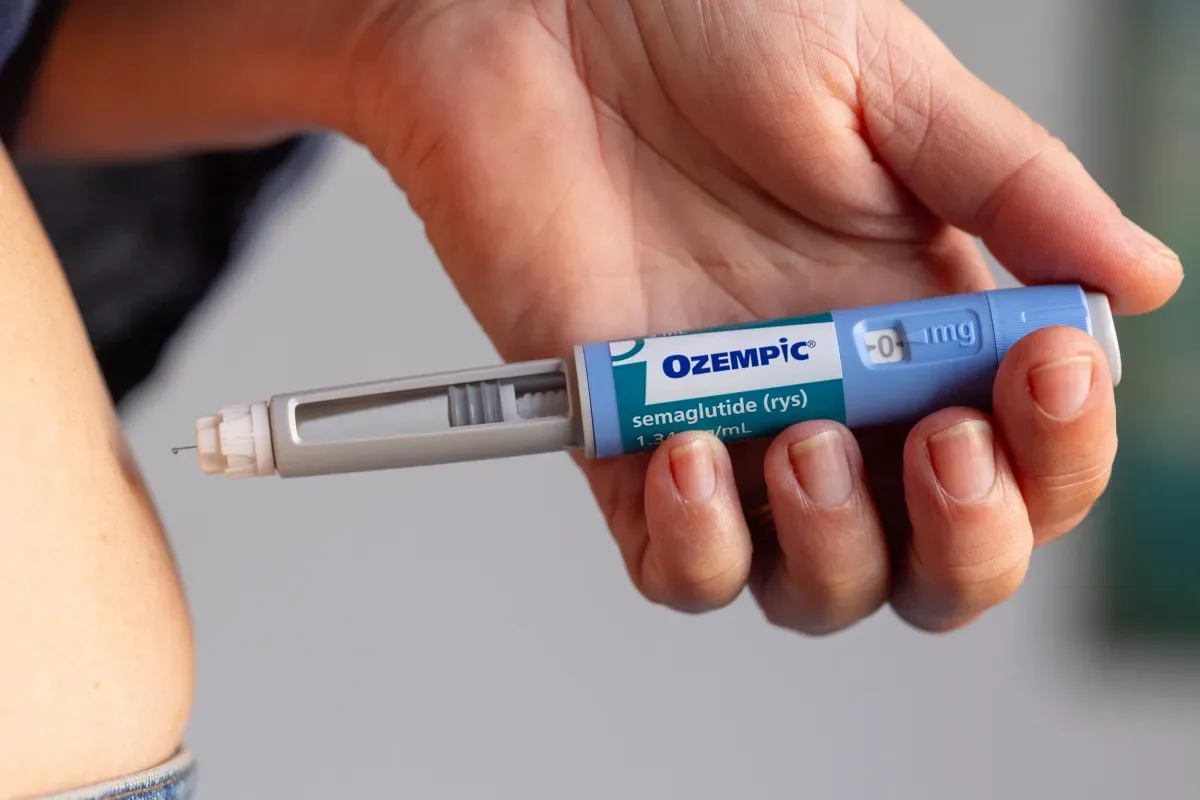
For patients with type 2 diabetes or those seeking weight management, Ecnoglutide represents a potential once-weekly injectable that could offer similar benefits to established GLP-1 drugs like semaglutide. Individuals considering GLP-1 therapies should discuss eligibility with their healthcare provider, factoring in factors like BMI, HbA1c levels, and cardiovascular risk.
Pfizer's Broader GLP-1 Strategy
This partnership is a key piece of Pfizer's expanding GLP-1 portfolio. It follows the multi-billion dollar acquisition of Metsera and a separate $1.9 billion agreement with YaoPharma announced in December 2025. These moves signal Pfizer's commitment to peptide-based therapies for metabolic disorders, potentially diversifying beyond its COVID-era revenue streams.
Compared to alternatives like Lilly's tirzepatide or Novo Nordisk's semaglutide, Ecnoglutide's China-specific data underscores tailored efficacy in Asian populations, where genetic and lifestyle factors influence response. Safety profiles for GLP-1 agonists generally include gastrointestinal side effects like nausea, which patients can track using tools like Shotlee for symptom monitoring during therapy initiation.
Oncology Milestone: Full FDA Approval for BRAFTOVI Combination
In parallel, Pfizer's oncology division gained momentum with full traditional FDA approval for the BRAFTOVI combination regimen. This therapy, used with cetuximab and a fluorouracil-based chemotherapy, is now approved as a first-line treatment for adult patients with metastatic colorectal cancer (mCRC) harboring a BRAF V600E mutation.
Understanding BRAF V600E in Metastatic Colorectal Cancer
The BRAF V600E mutation occurs in approximately 8% to 12% of mCRC cases, driving aggressive tumor growth via the MAPK pathway. Targeted inhibition of BRAF, combined with EGFR blockade (cetuximab) and chemotherapy, addresses resistance mechanisms that limit single-agent efficacy.
BRAFTOVI (encorafenib) acts as a BRAF inhibitor, disrupting this pathway to slow cancer progression. Patients with confirmed BRAF V600E via genetic testing should explore this regimen with their oncologist, especially if prior therapies failed.
Precision tracking for your journey
Join thousands using Shotlee to accurately track GLP-1 medications and side effects.
📱 Get the Shotlee App
Track your GLP-1 medications, peptides, and health metrics on the go with our mobile app!
BREAKWATER Phase 3 Study Results
The FDA's decision was based on data from the Phase 3 BREAKWATER study. Results demonstrated a median overall survival of 30.3 months for patients on the BRAFTOVI combination, compared to 15.1 months in the control group—a 51% reduction in the risk of death.
This approval converts the prior accelerated approval granted in December 2024 for the same indication. The regimen's efficacy in first-line settings could shift treatment paradigms for this subset of mCRC patients, who often face poor prognoses.
Safety Considerations for BRAFTOVI Regimen
On the safety side, 14% of patients in the BREAKWATER study discontinued treatment permanently due to adverse events. Common issues with BRAF/MEK inhibitors and EGFR antibodies include rash, diarrhea, fatigue, and liver enzyme elevations. Patients should monitor for these and use resources like Shotlee to log side effects, aiding dose adjustments or supportive care discussions with providers.
Compared to standard chemotherapy alone, the combination improves survival but requires careful management of toxicities, emphasizing multidisciplinary care in oncology.
Implications for Patients, Providers, and Markets
Patient Guidance
- For metabolic health: If you have type 2 diabetes or obesity, ask your doctor about GLP-1 options like Ecnoglutide (pending approval). Discuss weight loss goals, cardiovascular benefits, and starting doses.
- For mCRC with BRAF V600E: Genetic testing is key. The BRAFTOVI regimen offers doubled survival potential; weigh benefits against side effects.
Always consult healthcare professionals for personalized advice, as individual responses vary.
Market and Strategic Context
Pfizer's equity has stabilized recently, closing at €23.05 yesterday, though down 9.41% over the past twelve months. The stock's near-term performance may depend on commercial uptake of the BRAFTOVI regimen and revenue from the Ecnoglutide deal, especially post-weight management approval.
These catalysts position Pfizer strongly in GLP-1 competition and precision oncology, potentially boosting investor confidence amid broader market trends.
Key Takeaways
- Pfizer's $495M Ecnoglutide deal grants exclusive China rights for a GLP-1 agonist approved in type 2 diabetes with 15.1% weight loss potential.
- Full FDA approval for BRAFTOVI + cetuximab + chemo in first-line BRAF V600E mCRC, backed by BREAKWATER data: 30.3 vs. 15.1 months OS, 51% death risk reduction.
- 14% discontinuation rate due to AEs in oncology study; monitor GLP-1 side effects closely.
- Pfizer bolsters GLP-1 strategy via Metsera and YaoPharma deals.
- Patients: Discuss genetic testing for cancer, eligibility for GLP-1s; track symptoms for optimal management.
In summary, Pfizer's dual thrusts in China's GLP-1 space and targeted oncology reinforce its leadership in metabolic health and cancer care, offering new hope for patients while signaling growth for stakeholders.