GLP-1 Weight Loss Drugs: What You Need to Know About Pharmacy Compounding
The rising popularity of GLP-1 receptor agonists, such as
semaglutide (
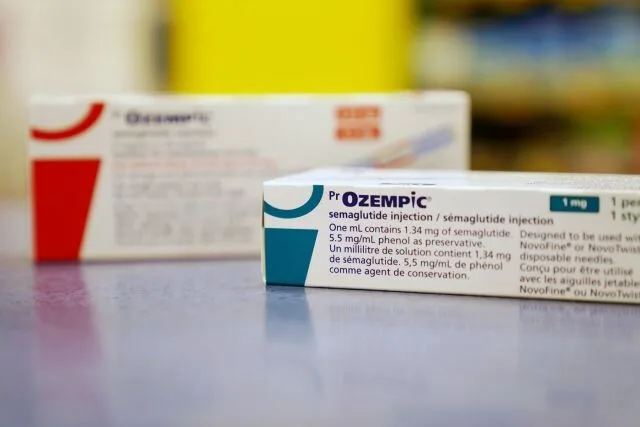
Ozempic,
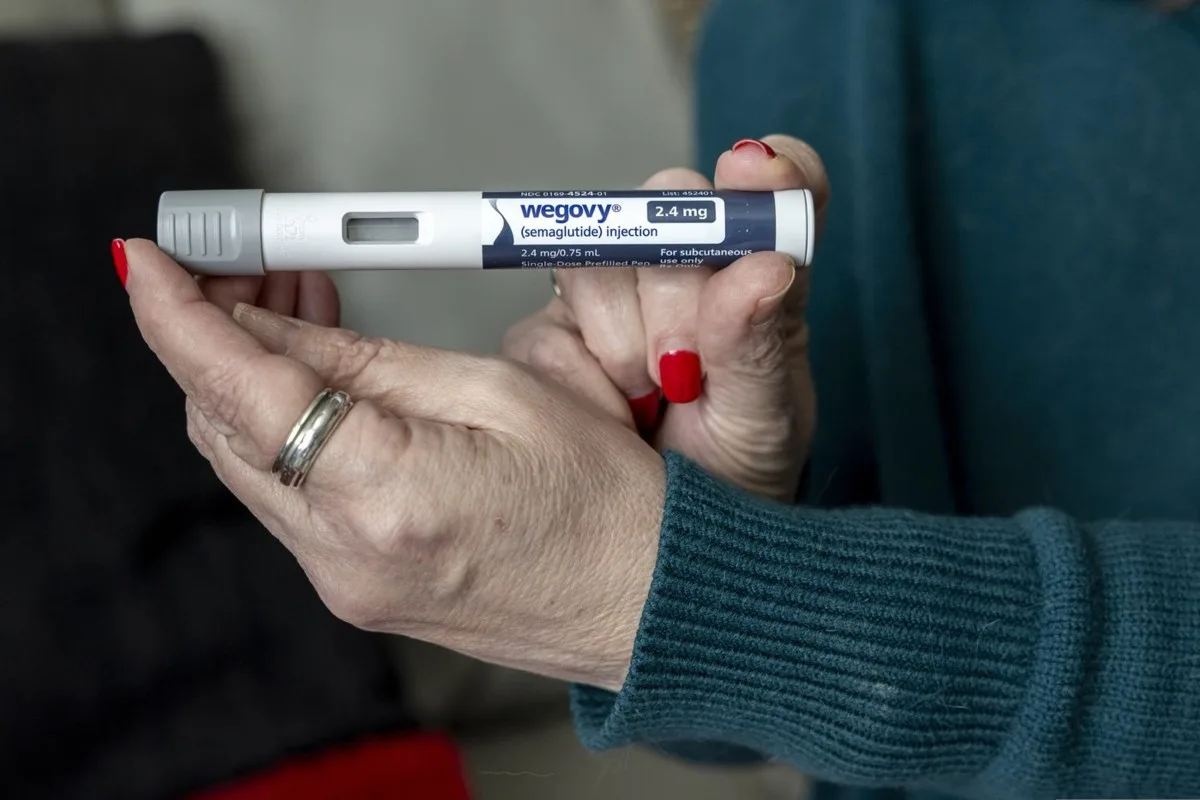
Wegovy) and
tirzepatide (
Mounjaro,
Zepbound), for weight loss has led to increased scrutiny of pharmacy practices. Recently, a Chester County pharmacy was fined $1 million for producing unapproved versions of these medications. This incident underscores the critical importance of understanding the regulations and safety considerations surrounding compounded GLP-1 drugs.
What are GLP-1 Drugs and Why the Demand?
GLP-1 drugs mimic the effects of the glucagon-like
peptide-1 hormone, which plays a crucial role in regulating blood sugar and appetite. These medications have proven highly effective for **weight management** and treating type 2
diabetes. The high demand, coupled with occasional shortages of brand-name drugs, led to a temporary allowance for pharmacies to compound these medications. This allowed pharmacies to create custom formulations but also introduced potential risks if not properly regulated.
The Risks of Unregulated Compounding
Compounding pharmacies create medications tailored to individual patient needs, which can be beneficial in certain situations. However, unlike FDA-approved drugs, compounded medications do not undergo the same rigorous safety and efficacy testing. This can lead to several potential risks:
- Incorrect dosages: Variations in the compounding process can result in medications with inconsistent dosages.
- Contamination: Uninspected facilities and improper handling can lead to contamination of the drugs.
- Lack of efficacy: Without proper quality control, the compounded drugs may not deliver the intended therapeutic effect.
According to the FDA, compounded drugs are not evaluated for safety, effectiveness, or quality. This is why strict adherence to regulations and inspections is paramount.
Staying Safe with GLP-1 Medications
Given the potential risks, it’s essential to take precautions when considering GLP-1 medications:
- Consult your doctor: Discuss the potential benefits and risks of GLP-1 drugs with your healthcare provider.
- Verify the source: Ensure that the pharmacy you use is licensed and reputable.
- Ask questions: Don't hesitate to inquire about the pharmacy's compounding practices and quality control measures.
Beyond GLP-1 drugs, peptide therapy is gaining traction as a promising avenue for improving metabolic health and promoting longevity. Peptides like
BPC-157 are being researched for their potential benefits in tissue repair and inflammation reduction. As research continues, understanding the nuances of these therapies and their regulation will be critical.
Tools for Tracking Your Health Journey
Maintaining a healthy lifestyle is key to wellness, whether you're using GLP-1 medications, peptide therapies, or focusing on diet and exercise. Tools like
Shotlee can help track your progress by monitoring key metrics such as weight, activity levels, and dietary intake, providing valuable insights to help you stay on track and achieve your health goals.
Conclusion
The recent news regarding the pharmacy fine highlights the need for vigilance when it comes to GLP-1 medications and compounded drugs. By understanding the potential risks, consulting with your healthcare provider, and choosing reputable pharmacies, you can make informed decisions about your health and well-being. Staying informed and prioritizing safety will ensure that you reap the benefits of these medications while minimizing potential harm.