The landscape of weight loss and metabolic health is rapidly evolving. Recent reports highlight a fascinating trend: as the use of GLP-1 receptor agonists, like semaglutide (Ozempic, Wegovy) and tirzepatide (Mounjaro), surges, obesity rates in the United States are showing signs of decline. Let's dive into what this means and what you should know.
The Rise of GLP-1s and the Impact on Obesity
A new Gallup poll has revealed a drop in the US obesity rate. The survey found that obesity rates fell from a record high of almost 40% in 2022 to 37% in 2025. This shift coincides with a significant increase in the use of GLP-1 drugs for weight loss, which are increasingly popular among those seeking effective solutions.
What are GLP-1 Drugs?
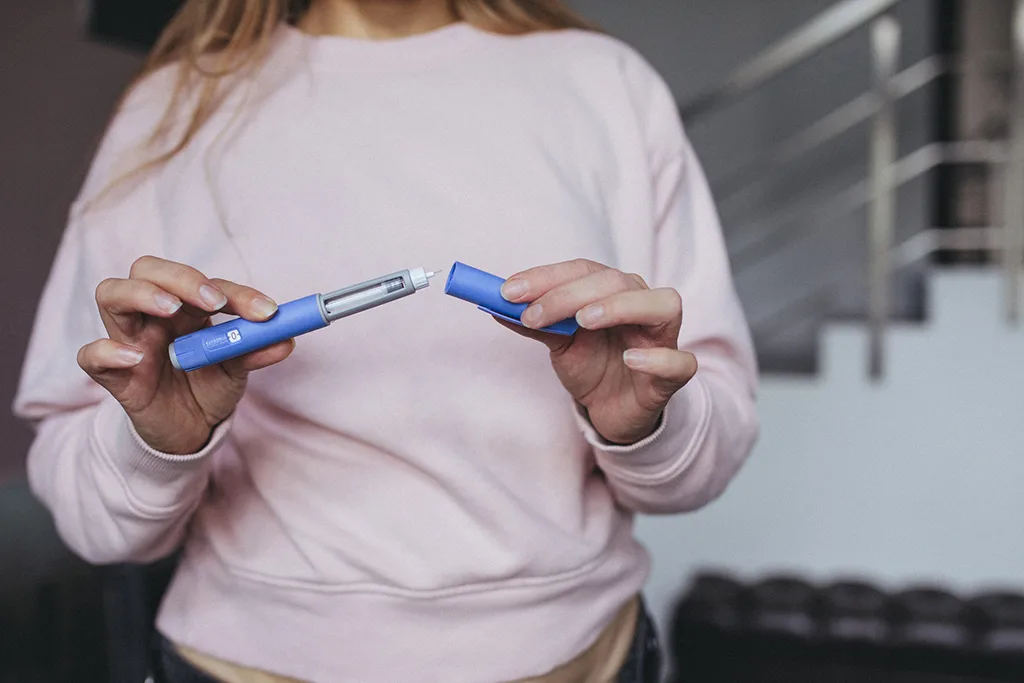
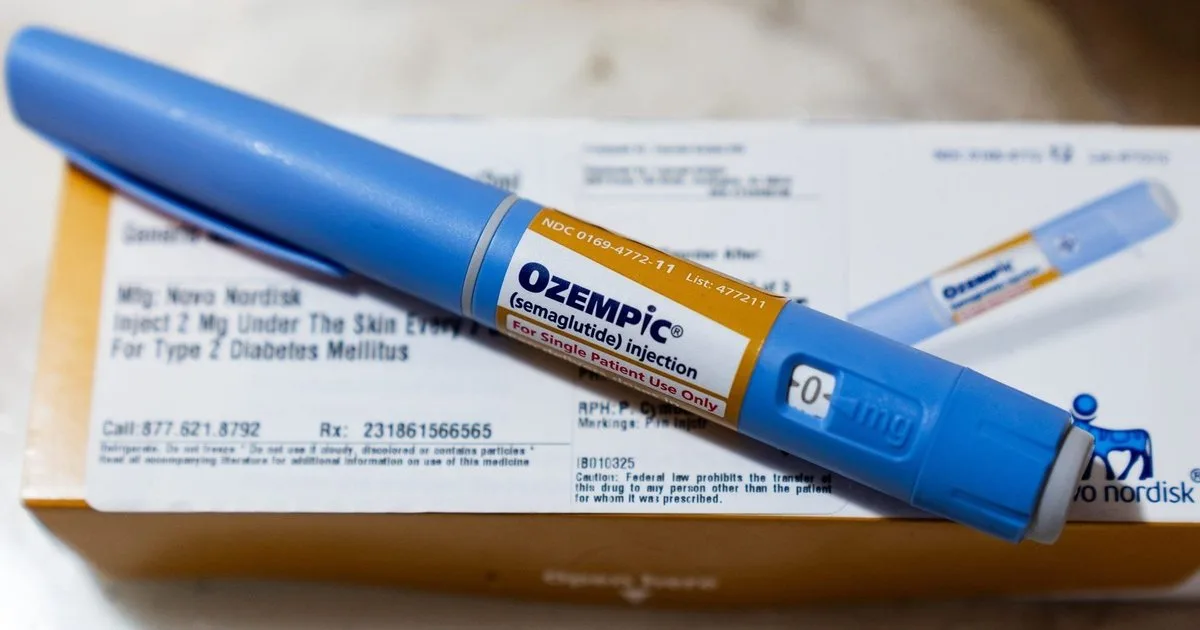
GLP-1 drugs, often referred to as peptide therapy, are a class of medications initially developed to treat type 2 diabetes. They work by mimicking the effects of a natural hormone that helps regulate blood sugar levels, slow gastric emptying, and promote feelings of fullness, leading to reduced calorie intake. Popular examples include Ozempic, Wegovy, and Mounjaro.
Who is using these medications?
The survey indicates that GLP-1 drug usage has more than doubled in the last year. Interestingly, women are using these medications at a higher rate than men. The most substantial reductions in obesity rates occurred among those aged 40 to 64, the age group with the highest usage of these medications.
Understanding the Nuances: Obesity, Diabetes, and Overall Health
While the decline in obesity rates is encouraging, it's crucial to understand the complexities of metabolic health. One important point to note is that the survey revealed a rise in diabetes rates during the same period. This highlights that while these drugs may help reduce weight, they don't directly reverse existing chronic conditions like diabetes. This underscores the need for a holistic approach to health.
Precision tracking for your journey
Join thousands using Shotlee to accurately track GLP-1 medications and side effects.
📱 Get the Shotlee App
Track your GLP-1 medications, peptides, and health metrics on the go with our mobile app!
The Bigger Picture
It's crucial to remember that weight loss is only one piece of the health puzzle. Addressing overall wellness requires comprehensive strategies like healthy eating habits, regular exercise, adequate sleep, and stress management. As the Gallup survey indicates, reducing obesity, even with effective medication, doesn't automatically mean that diabetes rates will decrease.
Practical Takeaways for Your Health Journey
Whether you're exploring weight loss strategies or simply aiming to improve your well-being, here are some actionable steps:
- Consult your healthcare provider: Before starting any new medication or making significant lifestyle changes, talk to your doctor. They can provide personalized advice based on your individual health profile.
- Embrace a balanced lifestyle: Focus on incorporating nutrient-rich foods, regular physical activity, and stress-reducing techniques into your daily routine.
- Stay informed: Keep up-to-date with the latest research and guidelines regarding weight loss, metabolic health, and related treatments.
- Track your progress: Keep a record of your eating habits, workouts, and other metrics that are relevant to your goals, and regularly review your health records.
By making these choices, you can set the foundation for a healthier and more sustainable lifestyle.
Tracking Your Health and Wellness
To stay on top of your health, it can be useful to monitor various metrics, from weight to blood sugar. Tools like Shotlee can help you track your progress, log your meals, monitor your exercise routine, and stay motivated on your health journey. This gives you valuable insights into your own health and what works best for you.
Conclusion
The recent findings regarding GLP-1 drugs and obesity rates offer valuable insights into the evolving landscape of weight management and metabolic health. As the medical and scientific communities continue to study these medications, you should remain informed and prioritize your overall well-being. By adopting a proactive approach and incorporating the strategies we've discussed, you can take meaningful steps towards a healthier future.