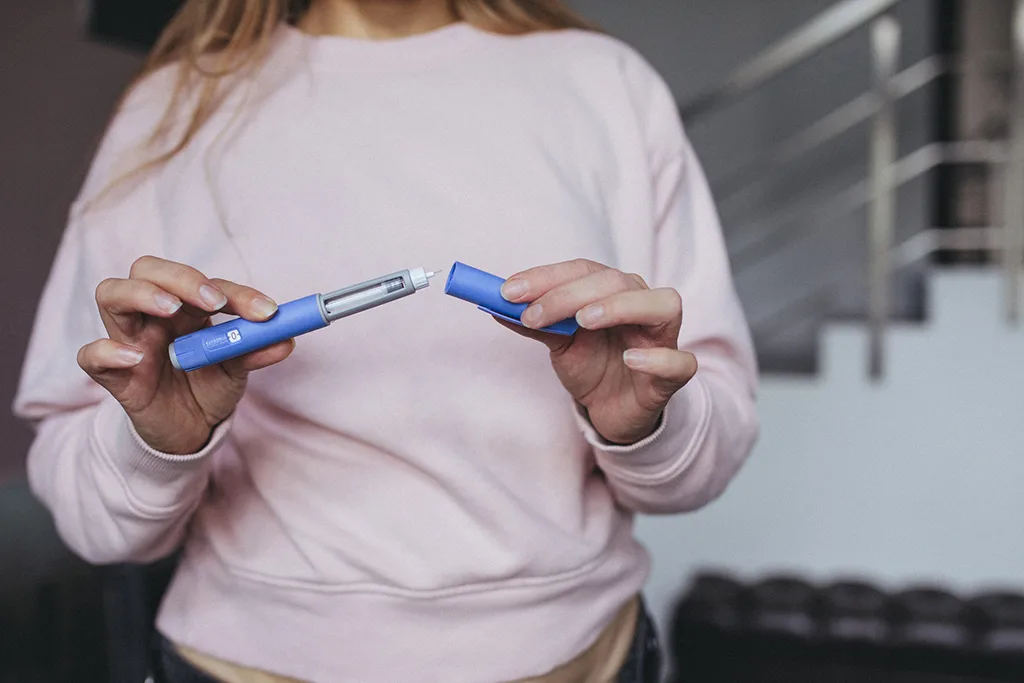

In the world of health and wellness, conversations around weight loss are often filled with conflicting opinions and sometimes, harsh criticism. Recent discussions surrounding GLP-1 medications like Ozempic, Wegovy, and Mounjaro have brought these complexities to the forefront. Let's delve into the intersection of these medications, body image, and the importance of supporting individual health journeys.
Understanding the Rise of GLP-1 Medications
GLP-1 receptor agonists (GLP-1s) are a class of medications initially developed for treating type 2 diabetes. However, they have gained significant attention for their effectiveness in promoting weight loss. These medications work by mimicking a natural hormone that helps regulate blood sugar, slows down gastric emptying, and can reduce appetite. The result? People may experience reduced food cravings and increased feelings of fullness, leading to weight loss.
The Role of Semaglutide, Tirzepatide & Peptide Therapy
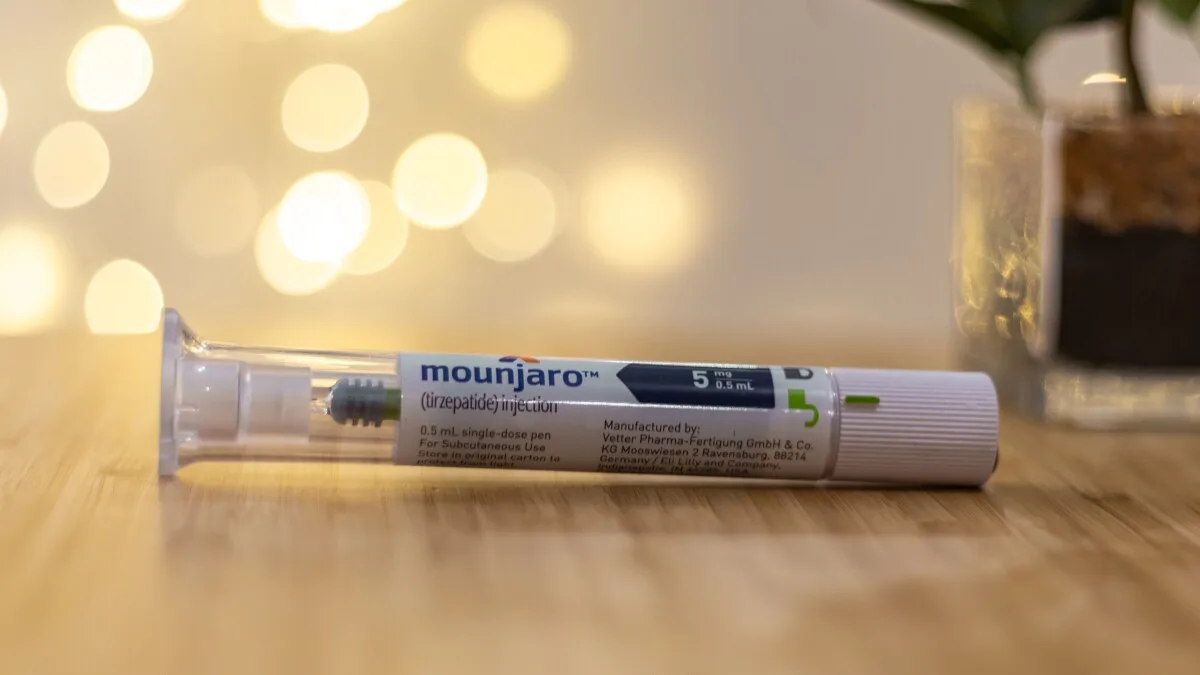
Two well-known examples are semaglutide (Ozempic/Wegovy) and tirzepatide (Mounjaro). Semaglutide is a GLP-1 agonist, while tirzepatide is a dual GIP and GLP-1 receptor agonist. Both have demonstrated impressive results in clinical trials. Peptide therapy, which utilizes amino acids to stimulate the body's natural processes, can sometimes involve GLP-1s or similar medications to promote metabolic health and address weight concerns. However, it's crucial to consult a healthcare professional to determine if these or other options, like BPC-157, are suitable for your individual needs. **Always consult with a healthcare professional before starting any new medication.**
Navigating Body Image and External Criticism
The conversation around GLP-1 medications often gets intertwined with body image and societal pressures. Public figures using these medications, or even discussing them, can face scrutiny. This can lead to body shaming and unfair commentary. It is important to remember that everyone's health journey is unique. People should feel supported in making decisions that improve their well-being without facing unnecessary judgment.
Precision tracking for your journey
Join thousands using Shotlee to accurately track GLP-1 medications and side effects.
📱 Get the Shotlee App
Track your GLP-1 medications, peptides, and health metrics on the go with our mobile app!
The Impact of Criticism on Health and Wellness
Negative comments can significantly impact mental health and disrupt a person's ability to maintain a healthy lifestyle. Constructive feedback is one thing, but cruel comments can lead to stress, anxiety, and even eating disorders. Building a strong support system and focusing on your own personal health goals is critical.
Practical Takeaways for a Healthy Approach
- Prioritize your health: Consult with a doctor to discuss your health goals and if GLP-1 medications are right for you.
- Focus on overall wellness: Incorporate balanced nutrition, regular exercise, and stress management into your daily routine.
- Cultivate a positive mindset: Practice self-compassion and celebrate your achievements, no matter how small.
- Seek support: Surround yourself with supportive friends, family, or consider joining online communities.
- Be mindful of social media: Limit exposure to content that promotes negativity or unrealistic body standards.
Remember that a healthy approach goes beyond just weight loss. It is about a holistic approach to wellness.
Tracking Your Progress & Wellness
Tracking your health metrics – whether it's exercise frequency, dietary choices, or even mood – can be a powerful tool for staying motivated and making informed decisions. Tools like Shotlee can help track these metrics, providing valuable insights into your progress and helping you stay on course with your wellness goals.
Conclusion: Embrace a Journey of Well-Being
The conversation around GLP-1 medications, body image, and criticism is complex. By understanding the science, prioritizing your well-being, and seeking support, you can navigate these challenges with confidence. Remember to consult healthcare professionals, focus on your individual health goals, and embrace a journey of overall well-being. Focusing on metabolic health and longevity is key.