
Introduction: GLP-1 Medications Enter the Spotlight
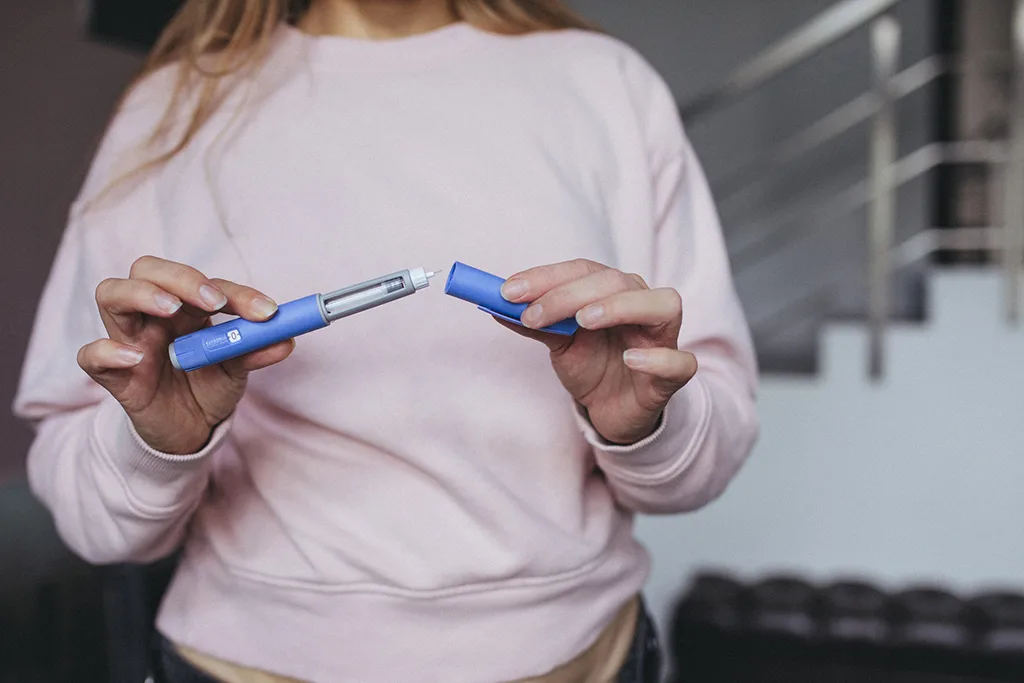
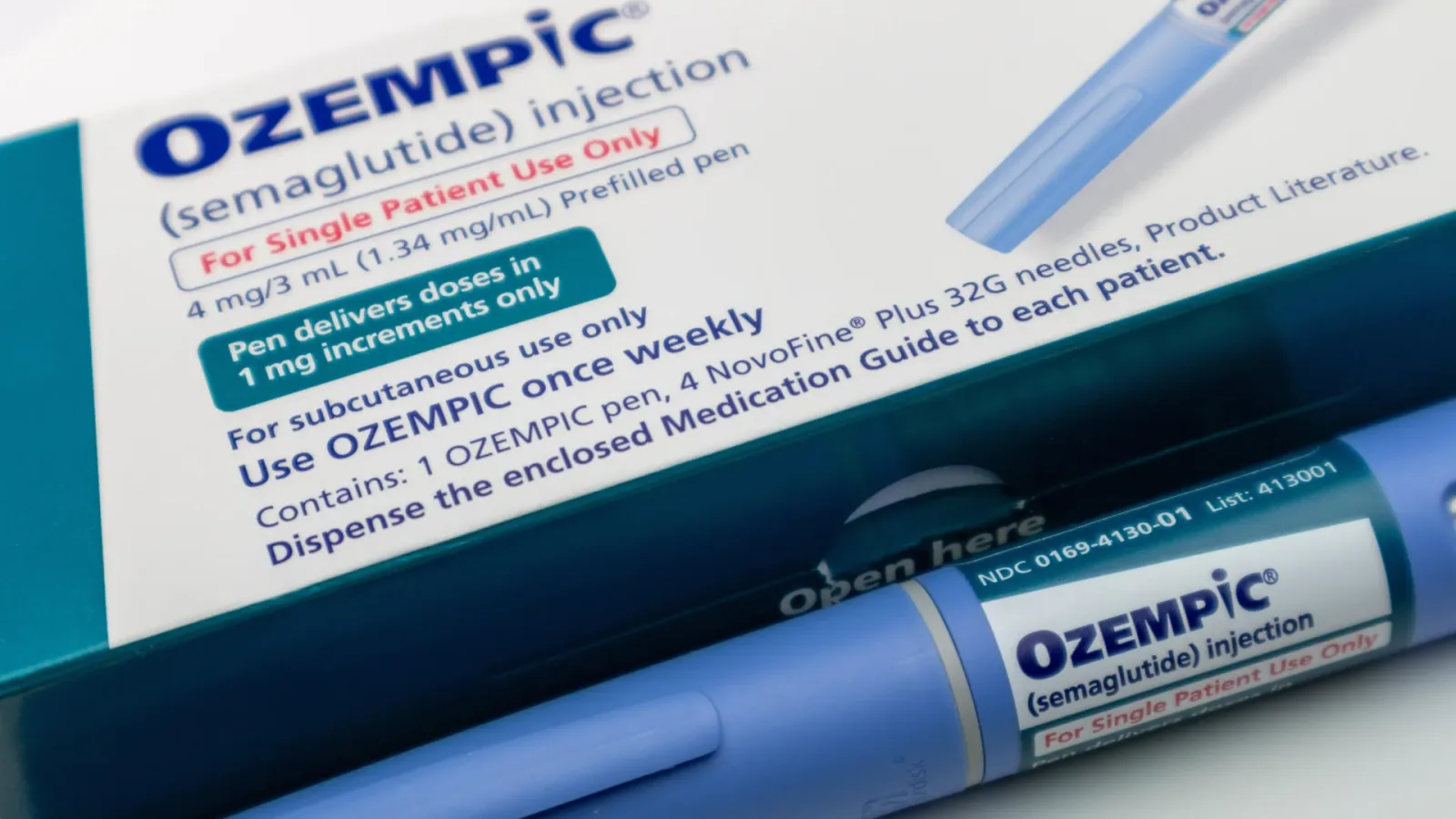
Three years ago, GLP-1 receptor agonists were primarily known to those managing type 2 diabetes or healthcare professionals. Today, brands like Ozempic (semaglutide), Wegovy (semaglutide), and Mounjaro (tirzepatide) dominate conversations on social media, dinner tables, and even supermarket aisles. With UK obesity rates at 29%—linked to cardiovascular disease, diabetes, and over 30,000 annual deaths—these drugs address a pressing medical need. Yet, their ascent intersects with cultural biases tying thinness to virtue, blurring lines between therapy and trend.
This guide examines GLP-1 weight loss mechanisms, clinical evidence, patient stories, risks of misuse, psychological effects, and societal shifts. For those on GLP-1s or considering them, understanding this revolution ensures informed, sustainable use.
How GLP-1 Medications Work for Weight Loss and Metabolic Health
GLP-1 (glucagon-like peptide-1) agonists mimic the gut hormone released after eating. They stimulate insulin secretion in response to elevated blood glucose, slow gastric emptying to stabilize blood sugar, and signal satiety via brain receptors, reducing appetite. Tirzepatide in Mounjaro adds GIP (glucose-dependent insulinotropic polypeptide) activity, enhancing fat metabolism and insulin sensitivity.
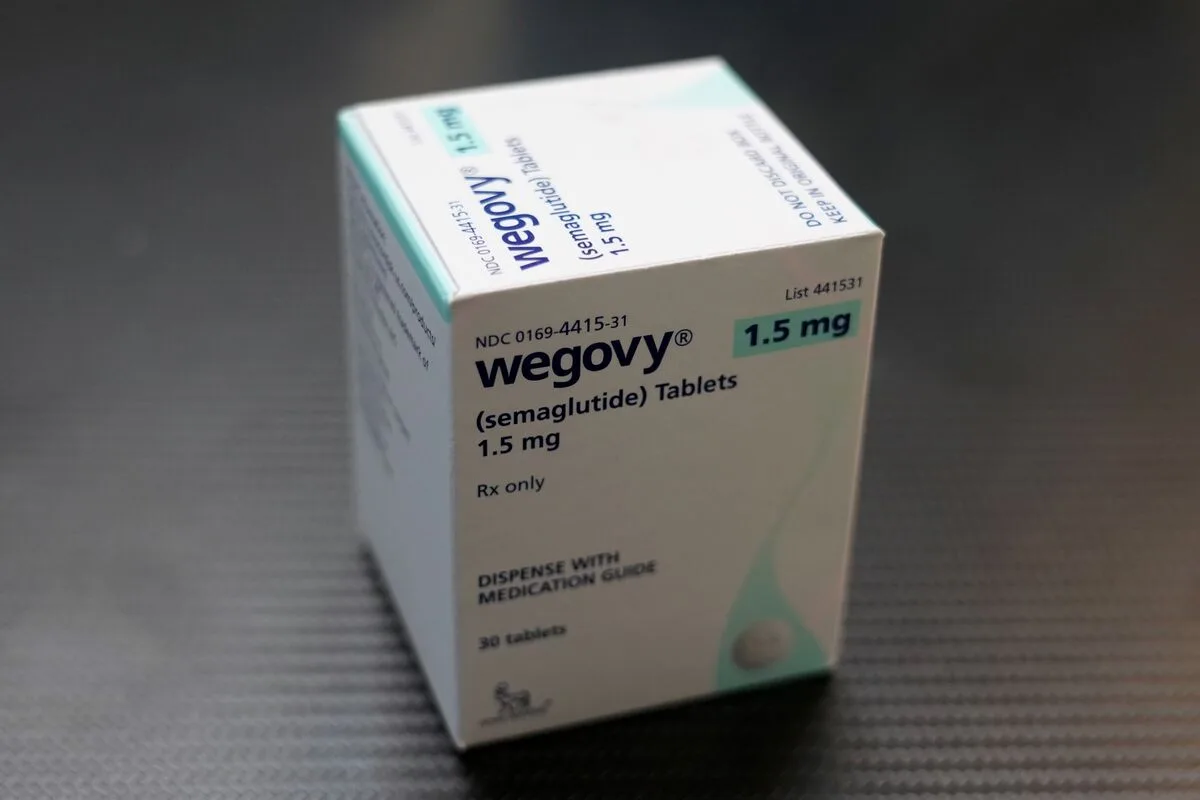
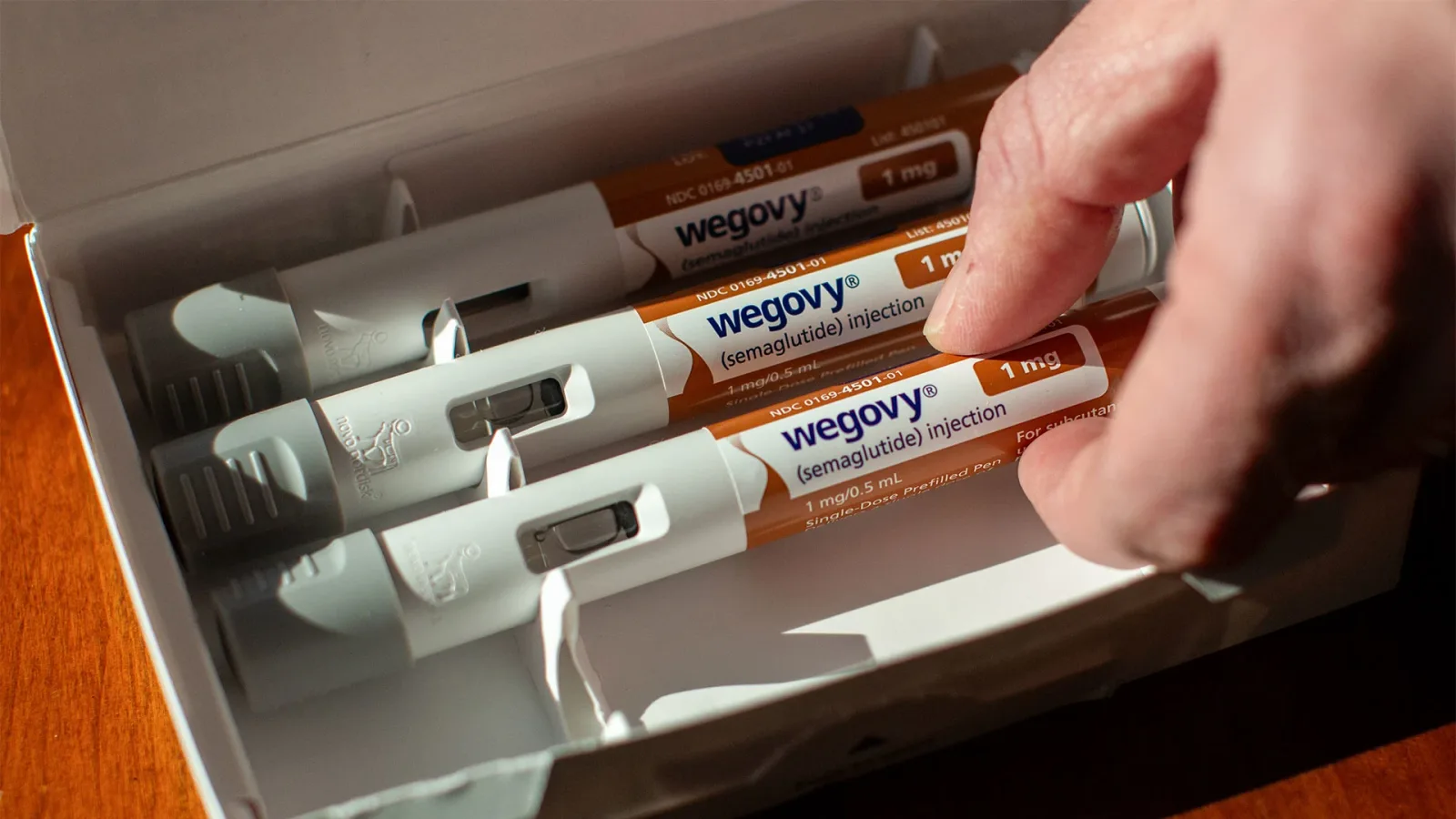
Originally for type 2 diabetes, semaglutide gained weight loss approval as Wegovy (UK/EU, 2021). Ozempic remains diabetes-only but sees off-label use. Mounjaro, approved under strict criteria, targets chronic weight management.
"These drugs reset metabolic signaling disrupted in obesity, not just curbing hunger but addressing hormonal imbalances like insulin resistance." – Clinical consensus from STEP and SURMOUNT trials.
Clinical Trial Evidence
- Wegovy (semaglutide 2.4mg weekly): STEP trials showed 15-17% body weight loss over 68 weeks vs. 2-3% placebo, with improvements in HbA1c, blood pressure, and sleep apnea.
- Mounjaro (tirzepatide up to 15mg): SURMOUNT-1 trial reported up to 21% loss over 72 weeks, outperforming semaglutide in head-to-head studies.
These outcomes underscore obesity as a chronic condition influenced by genetics, hormones, and environment—not mere willpower.
Access, Usage, and Real-World Transformations
NHS access requires BMI ≥30 (or ≥27 with comorbidities) for Wegovy, higher for Mounjaro, bundled with a 9-month lifestyle program. Private prescriptions dominate (95% of UK users), with 1.6 million using GLP-1s in 2024-2025 and 3.3 million interested.
Patient Stories: Beyond the Scale
For 26-year-old Marie-Anna with PCOS and prediabetes, GLP-1s resolved insulin resistance after multidisciplinary care. She reports sharper focus and productivity, aligning with emerging data on GLP-1s modulating brain reward centers (e.g., dopamine pathways), potentially aiding impulsivity and addiction.
33-year-old Jodie lost 3 stone (42 lbs) on Mounjaro in 6 months, alleviating chronic back pain. Dr. Leah Austin, GP at The Balance Rehab Clinic, notes: "These yield sustained weight loss plus cardiometabolic gains, challenging lifestyle-only narratives."
Precision tracking for your journey
Join thousands using Shotlee to accurately track GLP-1 medications and side effects.
📱 Get the Shotlee App
Track your GLP-1 medications, peptides, and health metrics on the go with our mobile app!
The Pitfalls: Weight Regain and Side Effects
Trials show 2/3 weight regain within a year post-discontinuation—faster than behavioral programs—due to real-world gaps in support. Without nutrition guidance, rapid loss causes sarcopenia (muscle wasting), fatigue, and deficiencies.
Common side effects: nausea (44%), vomiting (24%), diarrhea (30%), constipation, and "Ozempic face" (facial fat loss). Rare risks include gastroparesis, pancreatitis, gallbladder disease. Tools like Shotlee can help track symptoms, side effects, nutrition, and adherence for better management.
Private vs. NHS: Support Matters
NHS programs emphasize protein (1.2-2g/kg body weight), strength training, and monitoring. Private online scripts often lack this, leading to abrupt stops and rebound.
Psychological Dimensions and Eating Disorders
GLP-1s suppress "food noise" but disrupt intuitive eating, risky for eating disorder histories. Dr. Sarah Boss warns: "They dysregulate hunger cues essential for recovery." Nausea exacerbates restriction cycles.
Anya* hid her history for quick approval, facing fainting and relapse. Clinicians urge full disclosure and psychological screening.
From Medicine to Lifestyle: Cultural Shifts
Low-dose off-label use for BMI maintenance normalizes appetite suppression. Terms like "Ozempic butt" spur cosmetic fixes (fillers, lifts). Celebrity endorsements (e.g., Oprah) destigmatize but amplify thinness ideals.
Dr. Austin observes: "This fuels body surveillance, especially for women." Amid #skinnytok trends, GLP-1s risk embedding in beauty economies.
Conclusion: Navigating the GLP-1 Future Responsibly
GLP-1 medications like Ozempic, Wegovy, and Mounjaro offer transformative potential for metabolic health when paired with lifestyle support, monitoring, and psychological care. Track progress with apps like Shotlee to optimize outcomes. Avoid misuse to prevent regain, side effects, and cultural pitfalls. Consult providers for personalized plans—balancing biology, behavior, and societal context for lasting wellness.