
GLP-1 Restrictions: What Michigan's Medicaid Changes Mean for You
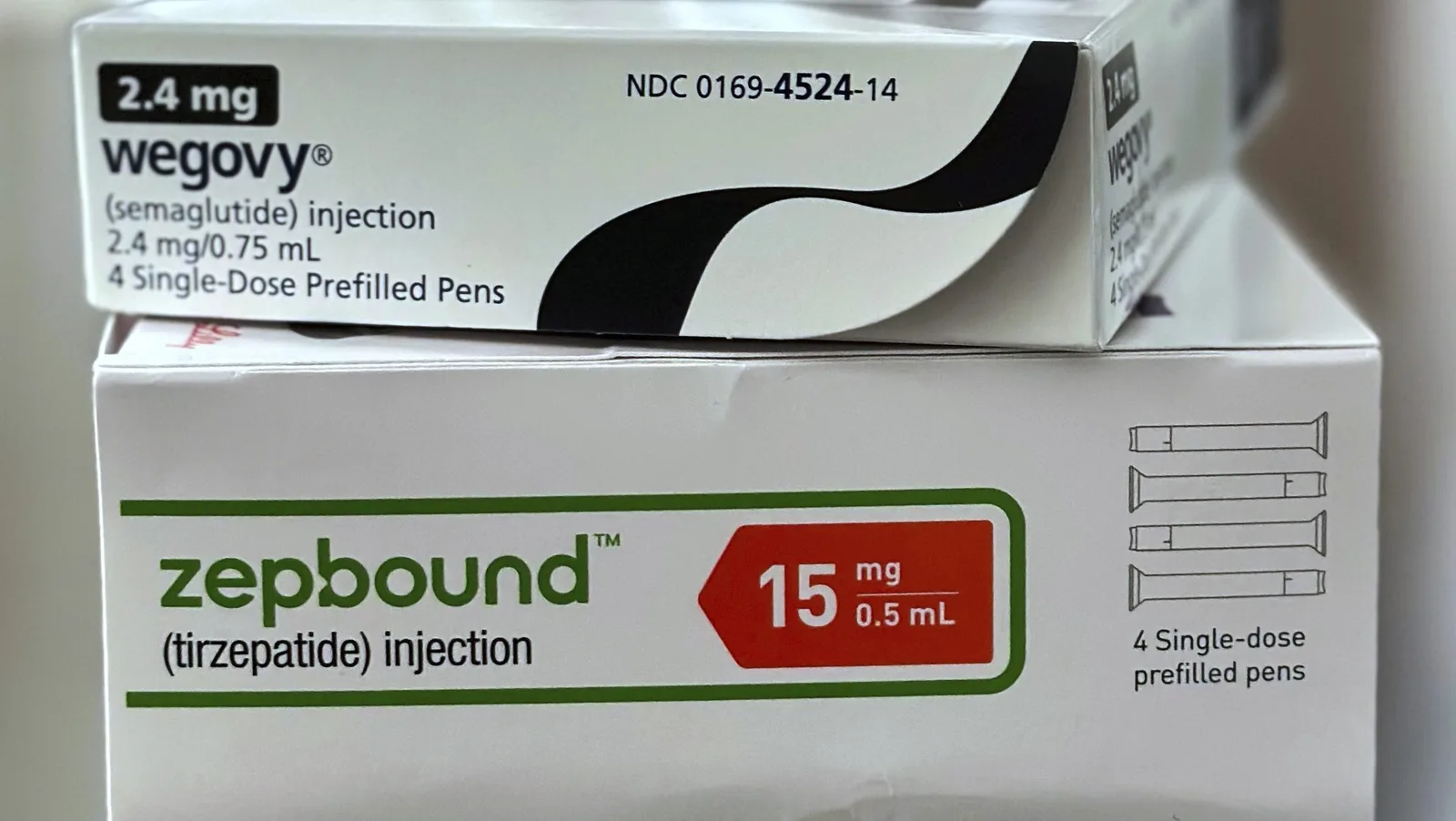
The landscape of weight management is constantly evolving, and recent changes in Michigan's Medicaid program highlight the ongoing debate surrounding access to GLP-1 receptor agonists. These drugs, like Ozempic, Wegovy, and Mounjaro, have gained immense popularity for their effectiveness in promoting weight loss and managing type 2 diabetes. However, a new state budget is restricting Medicaid coverage for these medications when prescribed solely for weight loss purposes.
Why the Change? Understanding the Restrictions
Michigan's new bipartisan state budget aims to limit Medicaid coverage of GLP-1 drugs, restricting access to individuals classified as morbidly obese only after other weight loss interventions have been unsuccessful in preventing costly bariatric surgery. This decision stems from a desire to control pharmaceutical spending, which saw a $240 million reduction in GLP-1 drug expenditures within the $81 billion state budget. The use of GLP-1 drugs has increased dramatically in recent years, with utilization among Michigan Medicaid recipients quadrupling between 2021 and 2024.
Here's a breakdown of the key points:
- Stricter Standards: The Michigan Department of Health and Human Services (DHHS) will implement stricter standards for GLP-1 drugs prescribed solely for weight loss.
- Cost Containment: The restrictions are largely driven by cost containment measures, aiming to manage the growing expenditure on these medications.
- Continued Coverage: Medicaid coverage will continue for beneficiaries with diabetes, cardiovascular disease, and sleep apnea, as confirmed by DHHS.
The Impact on Patients and Potential Alternatives
While these changes aim to control costs, they also raise concerns about access to potentially life-changing medications. Dr. Mark Fendrick, director of the Center for Value-Based Insurance Design at the University of Michigan, views the policy as a "cost containment" measure that could reduce access to valuable clinical interventions for patients most affected by obesity-related diseases.
So, what are the alternatives? Dr. Saeed Ahsan, a vascular medicine specialist at Henry Ford Health, emphasizes that "prevention is the best cure." He advocates for prioritizing dietary and lifestyle changes as the first line of defense. These changes could include:
Precision tracking for your journey
Join thousands using Shotlee to accurately track GLP-1 medications and side effects.
📱 Get the Shotlee App
Track your GLP-1 medications, peptides, and health metrics on the go with our mobile app!
- A balanced diet: Focus on whole foods, lean protein, and plenty of fruits and vegetables.
- Regular exercise: Aim for at least 150 minutes of moderate-intensity aerobic exercise per week.
- Stress management: Incorporate mindfulness, yoga, or other relaxation techniques into your routine.
- Adequate sleep: Prioritize getting 7-9 hours of quality sleep each night.
Beyond GLP-1: Exploring the Broader Landscape of Peptide Therapy and Metabolic Health
It's important to remember that GLP-1 drugs are just one piece of the puzzle when it comes to metabolic health and longevity. Peptide therapy, including other peptides like BPC-157, is another area of growing interest, with research suggesting potential benefits for healing and recovery, although more studies are needed. Focusing on overall metabolic health, through diet, exercise, and proper tracking, can be more effective for **sustainable weight management**.
Understanding your body's individual response to these various factors is key. Tools like Shotlee can help track your progress, allowing you to monitor your weight, activity levels, and dietary intake to optimize your health and wellness journey.
Practical Takeaways for Weight Management and Metabolic Health
Here's what you can do to take control of your health:
- Consult with your doctor: Discuss the best weight management strategies for your individual needs and circumstances.
- Focus on lifestyle changes: Prioritize diet, exercise, stress management, and sleep.
- Explore alternative therapies: Research and discuss options like peptide therapy with your healthcare provider.
- Track your progress: Monitor your weight, activity levels, and dietary intake to stay on track.
Conclusion
Michigan's Medicaid restrictions on GLP-1 drugs underscore the complexities surrounding access to weight loss medications. While these changes may impact some individuals, it's crucial to remember that sustainable weight management and metabolic health are multifaceted, involving lifestyle changes, informed decisions, and personalized strategies. By focusing on these key areas, you can empower yourself to achieve your health goals and improve your overall well-being.