
Understanding GLP-1 Medications and Their Rise
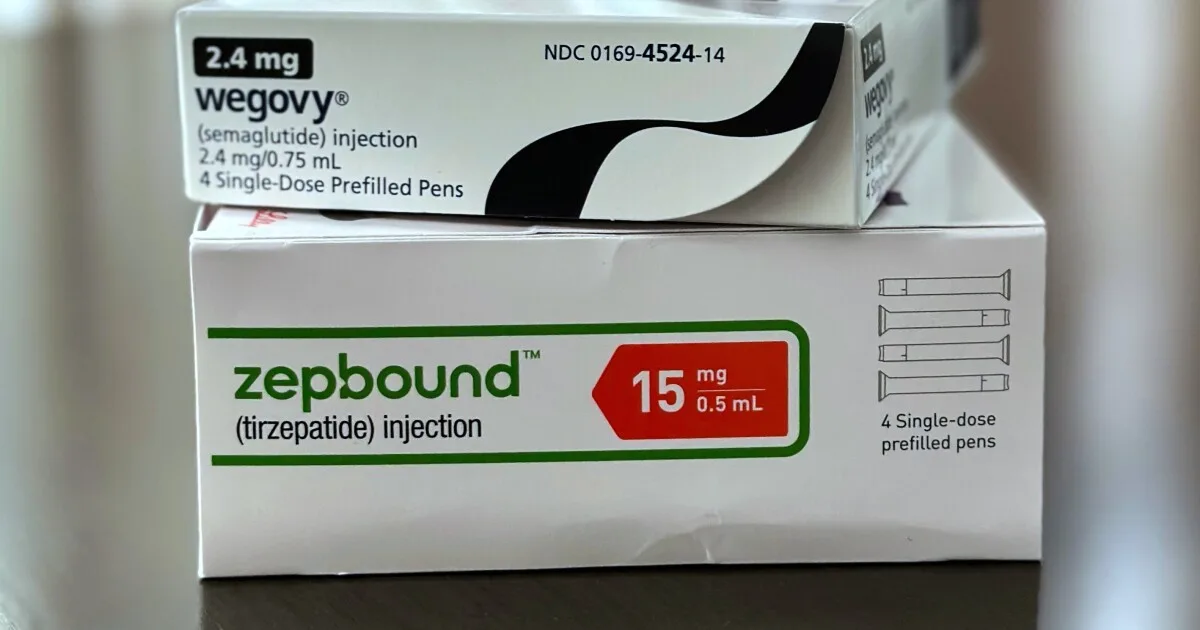
GLP-1 receptor agonists, such as semaglutide (Ozempic, Wegovy) and tirzepatide (Mounjaro, Zepbound), mimic the gut hormone glucagon-like peptide-1 to regulate appetite, slow gastric emptying, and improve insulin sensitivity. These mechanisms drive significant weight loss—up to 15-20% of body weight in clinical trials like STEP and SURMOUNT—making them a cornerstone for obesity and type 2 diabetes management. However, as usage surges, research uncovers challenges with long-term sustainability.
For health-conscious individuals or patients on these meds, the appeal is clear: non-invasive, effective, and backed by robust data. Yet, questions linger about what happens post-treatment, especially amid escalating costs and real-world adherence issues.
The Reality of Weight Regain After Stopping GLP-1s
Multiple studies confirm a high likelihood of weight regain upon discontinuation. A University of Oxford analysis, published in Diabetes, Obesity and Metabolism, tracked patients across randomized trials and real-world data. It found that body weight returns to near pre-treatment levels within approximately 1.7 years for most users. This isn't mere anecdote; it's tied to the drugs' reversible effects on hunger hormones.
Why does this happen? GLP-1s suppress appetite via brain signaling in the hypothalamus, but stopping restores baseline hunger drives. Metabolic adaptations, like reduced energy expenditure during weight loss, exacerbate regain. In the STEP 1 trial extension, participants who stopped semaglutide after 68 weeks regained two-thirds of lost weight by week 120.
Cardiometabolic Markers Also Revert
Beyond weight, improvements in blood pressure, LDL cholesterol, HbA1c, and waist circumference wane. The Oxford model predicts these markers decline to baseline in about 1.4 years. For patients with obesity-related comorbidities, this rollback risks renewed cardiovascular strain or glycemic control loss, underscoring GLP-1s as maintenance therapy rather than cures.
"Obesity is a chronic disease requiring lifelong management," notes endocrinologist Dr. Sarah Johnson in a recent review. "Discontinuation often mirrors untreated progression."
Financial Burden of Lifelong GLP-1 Therapy
Annual out-of-pocket costs average $4,200 for drugs like Wegovy or Zepbound without insurance, per U.S. pricing data. Semaglutide vials cost $900-$1,300 monthly; compounded versions offer relief but raise purity concerns. Insurance coverage is shrinking: as demand strains supply, employers and plans increasingly exclude weight-loss indications, limiting access to diabetes-only approvals.
A 2025 Danish cohort study of 77,310 Wegovy users, detailed in The Lancet, revealed 52% discontinued within one year, primarily due to costs (cited by 40%) followed by side effects. This real-world attrition highlights accessibility gaps, especially for lower-income patients.
Common Side Effects and Management Strategies
Gastrointestinal issues dominate: nausea (44%), vomiting (24%), diarrhea (30%), and constipation affect up to 50% initially, per SURPASS trials for tirzepatide. These stem from delayed gastric emptying and typically subside after 4-8 weeks. Rare but serious risks include gastroparesis, pancreatitis, and gallbladder disease (1-2% incidence).
Precision tracking for your journey
Join thousands using Shotlee to accurately track GLP-1 medications and side effects.
📱 Get the Shotlee App
Track your GLP-1 medications, peptides, and health metrics on the go with our mobile app!
To manage: Start low-dose (e.g., 0.25mg semaglutide weekly), titrate slowly, and pair with antiemetics if needed. Tools like Shotlee can help track symptoms, side effects, and nutrition alongside medication, empowering data-driven adjustments with your clinician.
- Hydration and small meals: Mitigate GI distress.
- Protein-first eating: Preserve muscle mass during rapid loss (up to 40% of weight lost can be lean mass without resistance training).
- Monitor for red flags: Severe abdominal pain warrants immediate evaluation.
Celebrity Insights: Oprah's Lifelong Commitment
Oprah Winfrey's experience resonates widely. After initial success with GLP-1s, she regained weight upon stopping but recommitted, stating in People: "If you have obesity in your gene pool... it's not your fault." Her story reframes obesity as a genetic-environmental interplay, validating meds as tools—not moral failings—for those needing them.
Sustainable Alternatives: Surgery vs. GLP-1s
As lifelong commitment looms, bariatric procedures gain traction for permanence. Vertical Sleeve Gastrectomy (VSG) removes 80% of the stomach, reducing ghrelin (hunger hormone) production. Meta-analyses show 50-70% excess weight loss sustained at 10 years, with 60-80% diabetes remission.
Endoscopic Sleeve Gastroplasty (ESG), less invasive, uses sutures to shrink the stomach via mouth. It yields 15-20% total weight loss, durable at 5 years per ESSENTIAL trial data, ideal for BMI 30-40 patients avoiding surgery scars.
| Option | Upfront Cost | Weight Loss | Durability |
|---|---|---|---|
| GLP-1 (Yearly) | $4,200-$16,000 | 15-22% | Reversible |
| ESG | ~$12,000 | 15-20% | 5+ years |
| VSG | ~$17,000 | 50-70% EWL | 10+ years |
Long-term, surgery often proves cost-effective: VSG saves $10,000+ yearly in comorbidities vs. meds. Eligibility requires BMI ≥40 (or ≥35 with conditions), per ASMBS guidelines. Combine with lifestyle for best outcomes.
Lifestyle Integration for Lasting Success
No option thrives in isolation. Evidence supports high-protein diets (1.2-1.6g/kg body weight), resistance training (3x/week), and behavioral therapy to counter regain. Studies like LOOK AHEAD show 5-10% sustained loss with comprehensive changes, amplifying GLP-1 or post-surgical results.
Track progress holistically—consider apps like Shotlee for logging nutrition, exercise, and metabolic markers to personalize your approach.
Conclusion: Informed Choices for Metabolic Health
GLP-1s excel short-term but demand lifelong use for many, with regain, costs (~$4k+/year), and side effects as trade-offs. Surgical alternatives like ESG and VSG offer durability for eligible patients. Consult your provider to weigh genetics, finances, and goals—pairing meds with habits maximizes sustainability. Prioritize evidence over hype for enduring weight management.