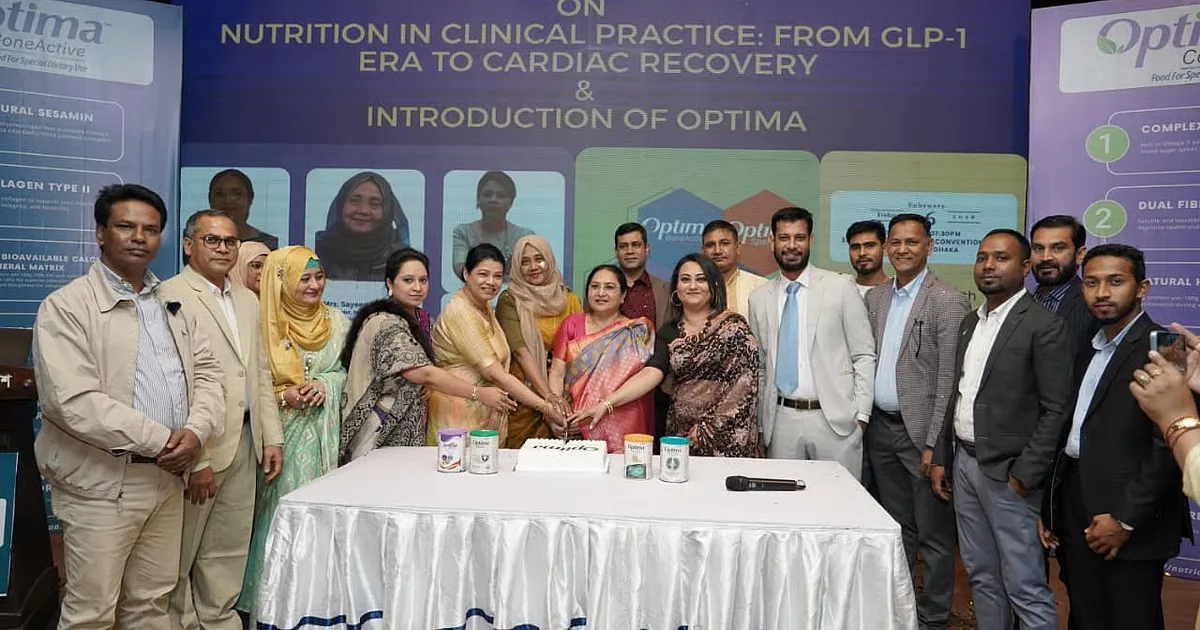

In the evolving landscape of clinical nutrition, the GLP-1 era nutrition symposium titled 'Nutrition in Clinical Practice: From GLP-1 Era to Cardiac Recovery' marked a significant milestone. Held on Friday, February 6, 2026, at the KIB Convention Hall, Farmgate, Dhaka, the event brought together experts to discuss the transformative role of GLP-1 receptor agonists in metabolic health and heart recovery strategies through diet.
Event Overview: Bridging GLP-1 Therapies and Cardiac Nutrition
The symposium, followed by the launch of 'OPTIMA'—a meal replacement brand by Nutricaa Limited—underscored the shift toward integrated nutritional approaches in the GLP-1 era. Approximately 150 practicing nutritionists and dieticians from hospitals and clinics across Dhaka attended, reflecting strong interest in how glucagon-like peptide-1 (GLP-1) based therapies influence dietary practices for cardiovascular outcomes.
Chaired by prominent dietician Akhtarun Nahar Alo, retired Chief Nutrition Officer and former Head of the Diet and Nutrition Department at BIRDEM (Bangladesh Institute of Research and Rehabilitation in Diabetes, Endocrine and Metabolic Disorders), the event provided a platform for evidence-based discussions. According to a press release, the gathering emphasized practical applications of nutrition amid the rise of GLP-1 medications like semaglutide and liraglutide.
Keynote Speakers: Expertise from NICVD and BIRDEM
Sayeeda Liaquat: Insights from National Institute of Cardiovascular Diseases
Sayeeda Liaquat, Nutritionist at the National Institute of Cardiovascular Diseases & Hospital (NICVD), Dhaka, delivered a keynote addressing nutritional interventions in cardiac care during the GLP-1 era. Her presentation likely explored how GLP-1 agonists, known for weight management and glycemic control, support heart health by reducing inflammation and improving endothelial function—key factors in preventing cardiac events.
Shamsun Naher Alo: Leadership from BIRDEM's Nutrition Department
Shamsun Naher Alo, Chief Nutrition Officer and immediate past Head of the Diet and Nutrition Department at BIRDEM, Dhaka, shared her expertise on tailoring diets for patients on GLP-1 therapies. With BIRDEM's focus on diabetes and metabolic disorders, her insights probably highlighted synergies between peptide-based treatments and nutrient-dense meal planning for sustained cardiac recovery.
Understanding the GLP-1 Era in Clinical Nutrition
The GLP-1 era refers to the widespread adoption of GLP-1 receptor agonists, medications that mimic the gut hormone glucagon-like peptide-1 to regulate blood sugar, appetite, and body weight. These drugs, including Ozempic (semaglutide) and Trulicity (dulaglutide), have reshaped clinical practice by addressing obesity-related comorbidities like type 2 diabetes and cardiovascular disease.
Why does this matter for nutrition? GLP-1 therapies often lead to rapid weight loss, necessitating strategic dietary support to preserve muscle mass, ensure micronutrient adequacy, and mitigate gastrointestinal side effects such as nausea. Nutritionists must adapt plans to high-protein, fiber-rich meals that complement the drugs' mechanisms: slowing gastric emptying, enhancing satiety, and promoting insulin secretion.
- Mechanisms at Play: GLP-1 agonists reduce cardiovascular risk by lowering blood pressure, improving lipid profiles, and decreasing visceral fat—critical for patients post-heart attack or with heart failure.
- Clinical Relevance: Studies like SELECT and LEADER have shown GLP-1 drugs cut major adverse cardiovascular events (MACE) by up to 20%, aligning with the symposium's cardiac recovery focus.
Nutrition Strategies for Cardiac Recovery
Cardiac recovery post-event or in chronic conditions demands a nutrient-focused approach. The symposium theme spotlighted transitioning from GLP-1 initiation to long-term heart health via diet. Key elements include:
Precision tracking for your journey
Join thousands using Shotlee to accurately track GLP-1 medications and side effects.
📱 Get the Shotlee App
Track your GLP-1 medications, peptides, and health metrics on the go with our mobile app!
- Anti-inflammatory foods: Omega-3s from fish, antioxidants from berries, and Mediterranean-style patterns.
- Electrolyte balance: Vital for patients on diuretics or with GLP-1-induced dehydration risks.
- Protein optimization: 1.2-2.0g/kg body weight to support cardiac muscle repair without overloading kidneys.
In Bangladesh, where cardiovascular disease burdens public health systems like NICVD, such symposia empower professionals to implement these strategies locally.
The Launch of OPTIMA: A Meal Replacement for the GLP-1 Era
Culminating the event, Nutricaa Limited unveiled OPTIMA, a meal replacement designed for clinical nutrition. Tailored for the GLP-1 era, OPTIMA likely offers balanced macros—high protein, moderate carbs, healthy fats—to sustain patients during therapy-induced appetite suppression. This launch positions it as a practical tool for dieticians managing cardiac patients, ensuring compliance without nutritional deficits.
Meal replacements like OPTIMA fill gaps in busy clinical settings, providing standardized nutrition that supports weight goals and heart recovery. Compared to traditional shakes, those optimized for GLP-1 users emphasize hydration and gut-friendly fibers.
Practical Guidance for Patients and Providers
For individuals exploring GLP-1 therapies for metabolic or cardiac benefits:
- Consult Specialists: Discuss with cardiologists or endocrinologists at centers like NICVD or BIRDEM before starting.
- Dietary Integration: Pair meds with nutritionist-approved plans; monitor for side effects like constipation via apps like Shotlee for symptom tracking.
- Cardiac Focus: Prioritize low-sodium, potassium-rich foods; aim for 150 minutes weekly moderate exercise if cleared.
Providers attending such symposia can now incorporate OPTIMA into protocols, enhancing outcomes.
Safety Considerations in GLP-1 Nutrition
While transformative, GLP-1 drugs carry risks like pancreatitis, gallbladder issues, and muscle loss if nutrition is overlooked. Symposium discussions probably stressed monitoring: regular DEXA scans, bloodwork for vitamins (B12, D), and hydration. Cardiac patients should watch for tachycardia or hypotension.
Key Takeaways from the Symposium
- The February 6, 2026, event at KIB Convention Hall united 150 experts under Akhtarun Nahar Alo's chairmanship.
- Keynotes by Sayeeda Liaquat and Shamsun Naher Alo bridged GLP-1 advancements with cardiac nutrition.
- OPTIMA's launch by Nutricaa Limited offers a timely meal replacement solution.
- Patients: Integrate nutrition with GLP-1 for optimal heart recovery—consult professionals.
What This Means for Patients in the GLP-1 Era
This Dhaka symposium signals a nutritional renaissance for cardiac care. By preserving muscle and fueling recovery through targeted diets and tools like OPTIMA, patients can maximize GLP-1 benefits. Track progress with tools like Shotlee for medication adherence and side effects, and stay informed via events like this.
In conclusion, the 'Nutrition in Clinical Practice: From GLP-1 Era to Cardiac Recovery' symposium reinforces evidence-based synergy between peptide therapies and diet, empowering Bangladesh's healthcare community for better outcomes.