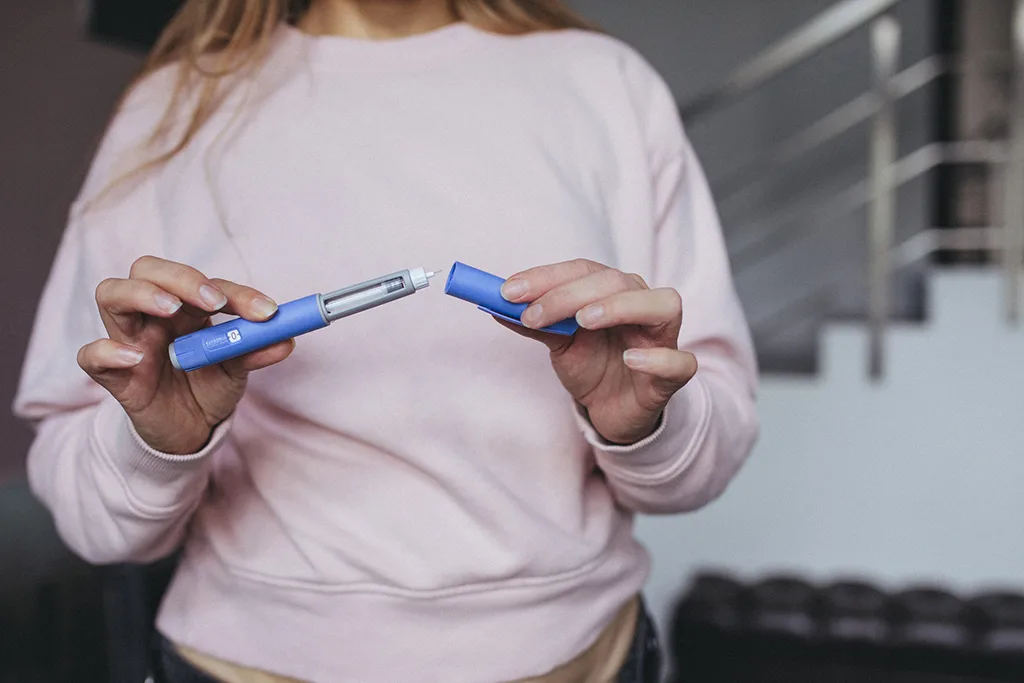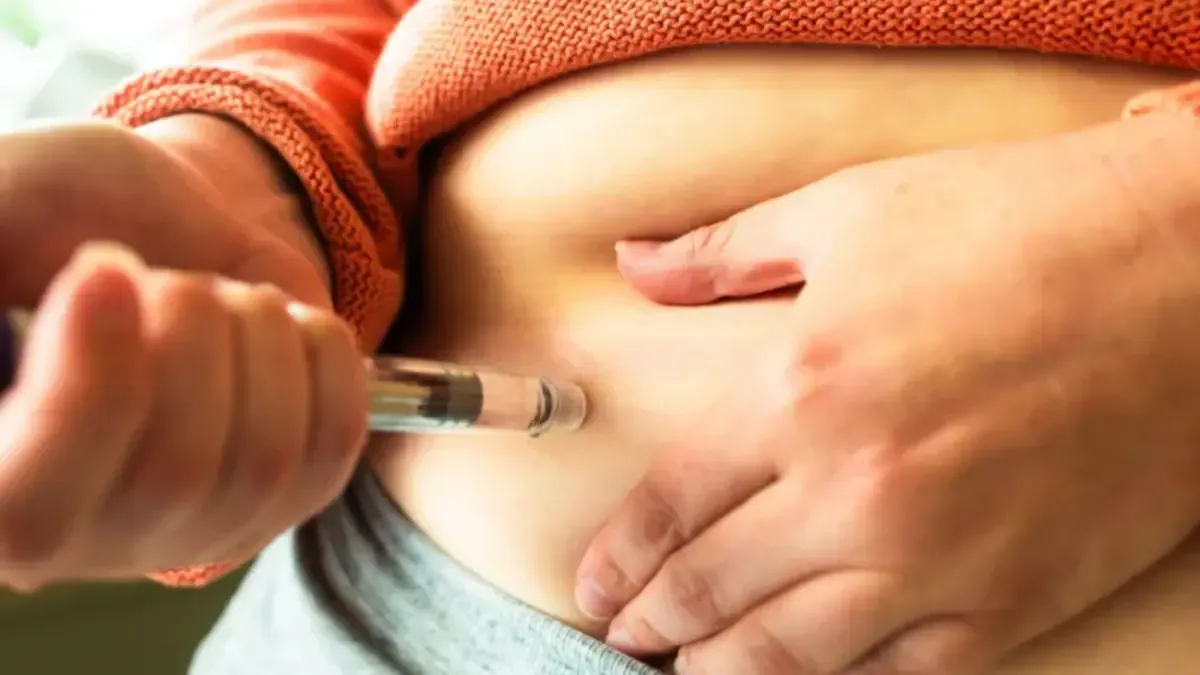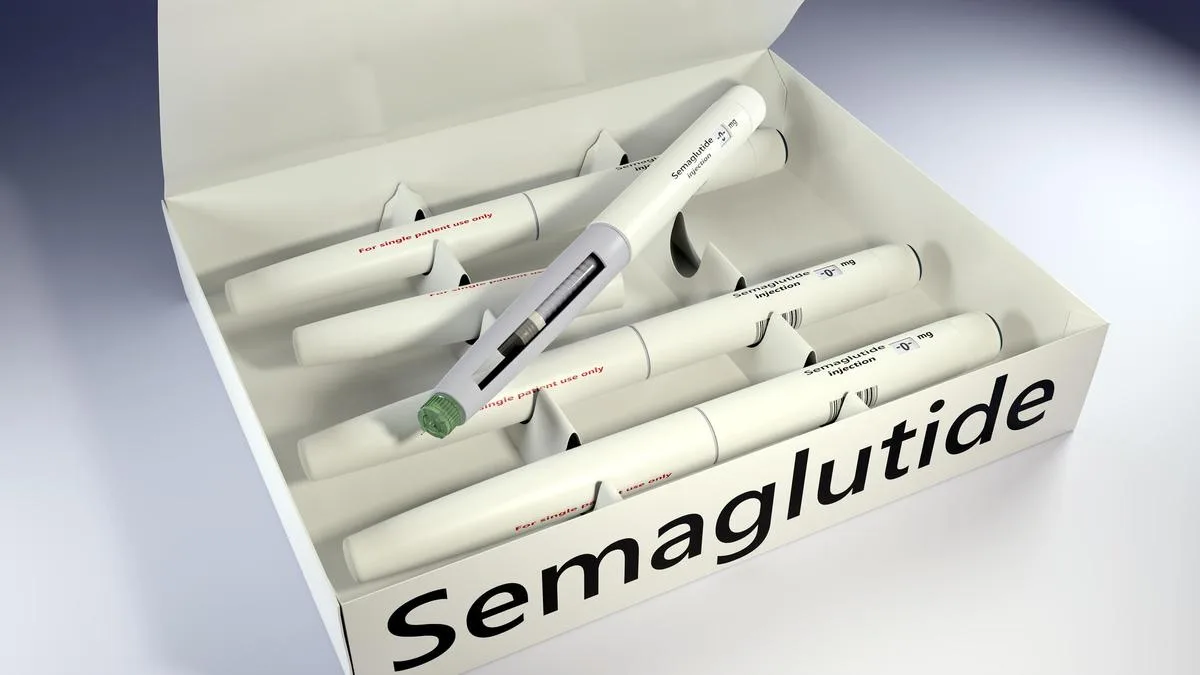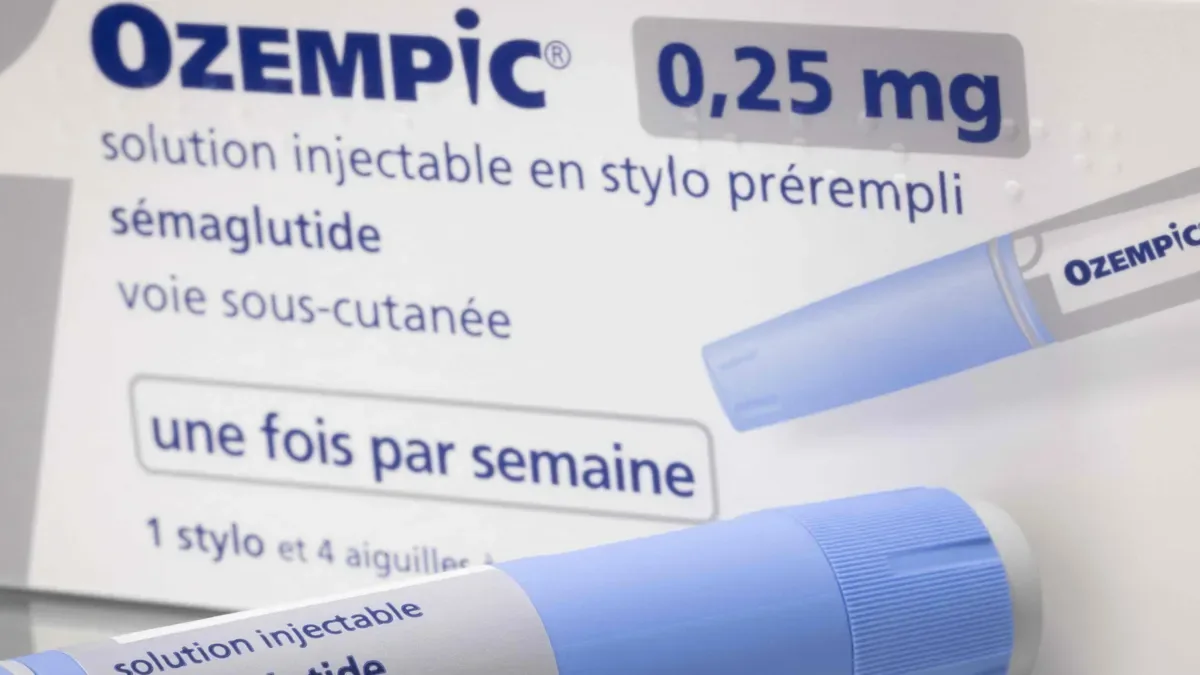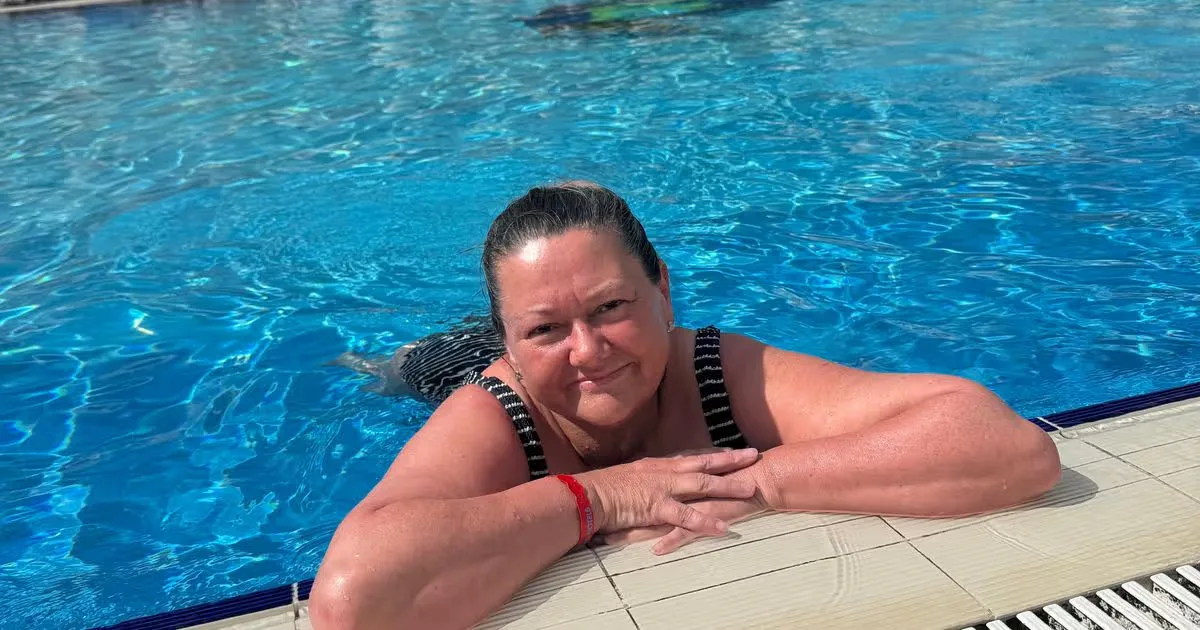
In a tragic case highlighting the deadly risks of unregulated semaglutide, known colloquially as 'skinny jabs,' 53-year-old Karen McGonigal from Salford in Greater Manchester died in May last year, just days after being illegally administered a dose at a beauty salon. Her story underscores the urgent dangers of black market weight loss injections in the UK, where counterfeit versions of prescription GLP-1 medications like semaglutide are sold cheaply without medical oversight.
The Tragic Story of Karen McGonigal
Karen McGonigal was unable to obtain semaglutide through her GP, leading her to a beautician offering the jabs for just £20 each. Four days after her last injection, she was rushed to hospital. After two days in intensive care, her life support was turned off. The family awaits further test results but strongly suspects the unlicensed weight-loss jabs were to blame.
Karen's daughters, Abbie and Ffion McGonigal, became the first in the UK to speak publicly about a death linked to fake 'skinny jabs.' Their courage has amplified calls for change, with Abbie telling ITV: "If we can stop one person from going through what we've been through, at least we've done something." Ffion added, "I feel like we've really been listened to - like we've been heard." Abbie believes their mother would be "so proud" of their efforts.
Meeting with Health Secretary Wes Streeting
The family met Wes Streeting, the Health Secretary, to push for a crackdown on the sale of unlicensed weight loss drugs. Bosses from the Medicines and Healthcare products Regulatory Agency (MHRA) also joined the meeting. Streeting praised the family, telling ITV News: "I think a lot of people have sat up and listened... because you've been courageous enough to come forward and tell your mum's story."
He acknowledged the core issue: limited NHS availability drives people to dangerous alternatives. "The reason why your mum went to a different supplier is because it's not yet available to everyone on the NHS who might qualify and benefit," Streeting said. "So I feel that pressure to make sure... people aren't forced to go private, especially if it's dangerous and risky. They're not qualified, they're not trained but people assume that because it's on the high street, it must be all right."
After the meeting, Streeting stated: "I want to thank Abbie and Ffion McGonigal for taking the time to meet with me to talk about the tragic death of their mum, Karen, and their campaign for better regulation of weight loss drugs. It is a testament to Abbie and Ffion's courage and compassion that they want the devastating loss of Karen to warn others about the serious risks posed by taking black-market weight loss medication. The government is working with the MHRA to see what more can be done to stamp out the illegal sale of unlicensed weight loss drugs and to alert the public to the real dangers of accessing medication from unregulated providers."
What is Semaglutide and Why Are Unregulated Versions So Dangerous?
Semaglutide is a GLP-1 receptor agonist, a class of medications mimicking the hormone glucagon-like peptide-1 to regulate blood sugar, slow gastric emptying, and reduce appetite. Branded as Ozempic for diabetes and Wegovy for weight management, it's prescribed for obesity or type 2 diabetes under medical supervision. Safe supplies became available on the NHS in June last year, following research into the dangers of visceral fat around organs.
Risks of Black Market 'Skinny Jabs'
Weight-loss injections can only be legally and safely dispensed with a prescription from a healthcare professional, such as a doctor or pharmacist. Unregulated versions from beauty salons, online sellers, or high street vendors pose severe risks:
Precision tracking for your journey
Join thousands using Shotlee to accurately track GLP-1 medications and side effects.
📱 Get the Shotlee App
Track your GLP-1 medications, peptides, and health metrics on the go with our mobile app!
- Contamination and impurities: Fake semaglutide may contain harmful bacteria, heavy metals, or incorrect active ingredients.
- Incorrect dosing: Doses like the £20 jab Karen received could be too high, leading to acute side effects such as severe nausea, vomiting, pancreatitis, or cardiovascular collapse.
- No medical screening: Patients aren't assessed for contraindications like thyroid cancer history or pancreatitis risk.
- Adulteration: Some products are diluted insulin or entirely inert, offering no benefit while exposing users to injection-site infections.
The MHRA has warned of a surge in counterfeit semaglutide, with hospitalizations rising due to these illicit products. Karen's case is a stark reminder: what seems like an affordable shortcut can end in tragedy.
The Family's Campaign: Tougher Penalties and NHS Access
Abbie and Ffion are campaigning for tougher penalties for those selling unsafe injections and greater availability of licensed drugs on the NHS. Currently, NHS eligibility is limited to those with a BMI over 35 (or 30 with comorbidities) and supervised use. Expanding access could reduce desperation for black market options.
Streeting's response signals government action, but the family hopes for swift implementation. "I do hope they follow it through, to stop anybody going through what we have - just so nobody else has to feel that pain," Abbie said.
How to Safely Access Semaglutide and Weight Loss Injections
Consult a Healthcare Professional
Always discuss GLP-1 therapies like semaglutide with your GP. They can assess suitability, prescribe appropriately, and monitor progress. Avoid beauty salons, online marketplaces, or unregulated providers.
NHS vs. Private Options
NHS rollout started in June last year, prioritizing high-risk patients. Private prescriptions are available but cost £150-£250 monthly. Ensure any provider is CQC-registered and uses licensed products from pharmacies.
Managing Side Effects Safely
Even legitimate semaglutide can cause nausea, diarrhea, or gallbladder issues. Start low (0.25mg weekly), titrate slowly, and report symptoms. Tools like Shotlee can help track side effects, dosages, and symptom patterns for better doctor discussions.
Alternatives to Consider
If ineligible for semaglutide, options include liraglutide (Saxenda), dietitian support, or bariatric surgery. Lifestyle changes remain foundational.
Key Takeaways: What This Means for Patients
- Unregulated semaglutide from black market sources like £20 skinny jabs is extremely dangerous and illegal.
- Karen McGonigal's death highlights the need for prescription-only access.
- The NHS is expanding safe supplies—check eligibility with your GP.
- Family campaigns are pushing for MHRA crackdowns and tougher penalties.
- Prioritize regulated care to avoid irreversible harm.
Conclusion: A Call to Action for Safer Weight Loss
The McGonigal family's story is a powerful warning against the allure of cheap, unregulated skinny jabs. By advocating for better regulation and NHS access, Abbie and Ffion honor their mother's memory while protecting others. If considering semaglutide, seek professional guidance—your health depends on it. Stay informed on MHRA alerts and government updates to navigate weight loss safely.