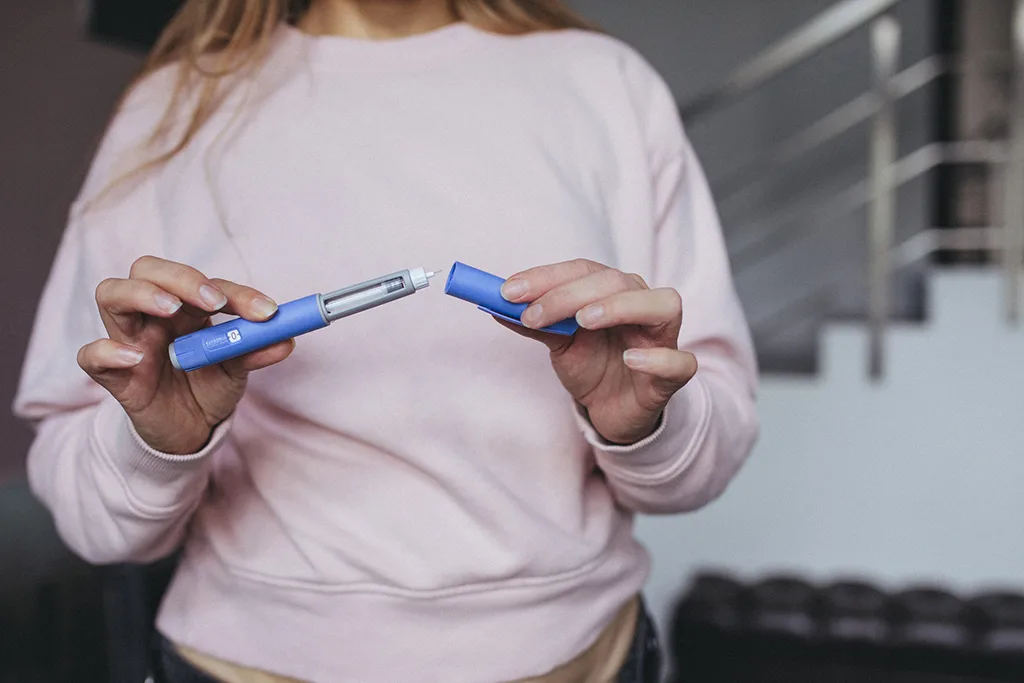

Avoid GLP-1 drugs during pregnancy and consult a doctor if you conceive.
GLP-1 receptor agonists have surged in popularity for weight management and enhancing glucose metabolism. Their proven efficacy against obesity and diabetes is clear, but assessing impacts on female reproductive health grows crucial. Young women often ask gynecologists about effects on fertility, contraception, and conception.
Dr. Anjali Kumarr, Director of Obstetrics & Gynaecology at CK Birla Hospital, Gurugram, states that GLP-1 medications primarily boost insulin sensitivity and suppress appetite to drive weight loss.
Benefits for Women's Fertility and Reproductive Health
Overweight and insulin resistance in women can trigger hormonal imbalances, causing irregular cycles or anovulation. GLP-1 treatment corrects these, enhancing ovulation and menstrual regularity.
This proves vital for women with polycystic ovary syndrome (PCOS), where insulin resistance fuels fertility challenges. Metabolic improvements often restore normal reproductive function faster than anticipated.
Dr. Kumarr highlights that GLP-1 therapy indirectly induces ovulation in those with irregular cycles or infertility from obesity or metabolic issues. Women once struggling to conceive may now succeed more readily. Importantly, these are not fertility drugs; they simply clear barriers to conception.
Precision tracking for your journey
Join thousands using Shotlee to accurately track GLP-1 medications and side effects.
📱 Get the Shotlee App
Track your GLP-1 medications, peptides, and health metrics on the go with our mobile app!
Risks: Unplanned Pregnancies and Contraception Concerns
Restored fertility delights those seeking pregnancy but risks surprises without proper contraception.
A rising trend with GLP-1 analogues involves unplanned pregnancies, dubbed the "surprise baby" phenomenon. This stems not from direct fertility boosts but from underestimating renewed fertility, per Dr. Kumarr.
Moreover, GLP-1 agonists slow gastric emptying, impairing oral contraceptive absorption. Those depending solely on pills face higher unintended pregnancy risks.
GLP-1 Use During Pregnancy: Key Warnings
GLP-1 receptor agonists are contraindicated in pregnancy. Fetal development effects remain poorly understood, per expert consensus.
Women planning conception should stop GLP-1 therapy to let the drug clear. If pregnancy occurs on these drugs, discontinue immediately and seek physician or obstetrician advice promptly.
GLP-1 Medications: How They Work
These drugs enhance insulin sensitivity, curb appetite, and support weight loss alongside glucose control.
Common Questions on GLP-1 and Female Fertility
- How do GLP-1 drugs affect female fertility? They improve ovulation and cycles in women with obesity-driven hormonal imbalances and insulin resistance.
- Are GLP-1 medications fertility treatments? No, they remove conception barriers rather than acting as fertility aids.
- Can GLP-1 drugs impact contraception? Yes, by slowing gastric emptying and reducing oral pill absorption, risking unplanned pregnancies.
- Are GLP-1 drugs safe during pregnancy? No, due to unknown fetal effects; discontinue if planning or confirming pregnancy.