
GLP-1 Drugs: A New Frontier in Weight Loss and Addiction Treatment
The landscape of health and wellness is constantly evolving, with new discoveries offering hope for a healthier future. Recent research has highlighted the potential of a class of medications, known as GLP-1 receptor agonists (GLP-1RAs), to go beyond their well-known benefits for diabetes and weight loss. This article delves into the exciting prospect of GLP-1 drugs in the treatment of addiction.
What are GLP-1 Drugs and How Do They Work?
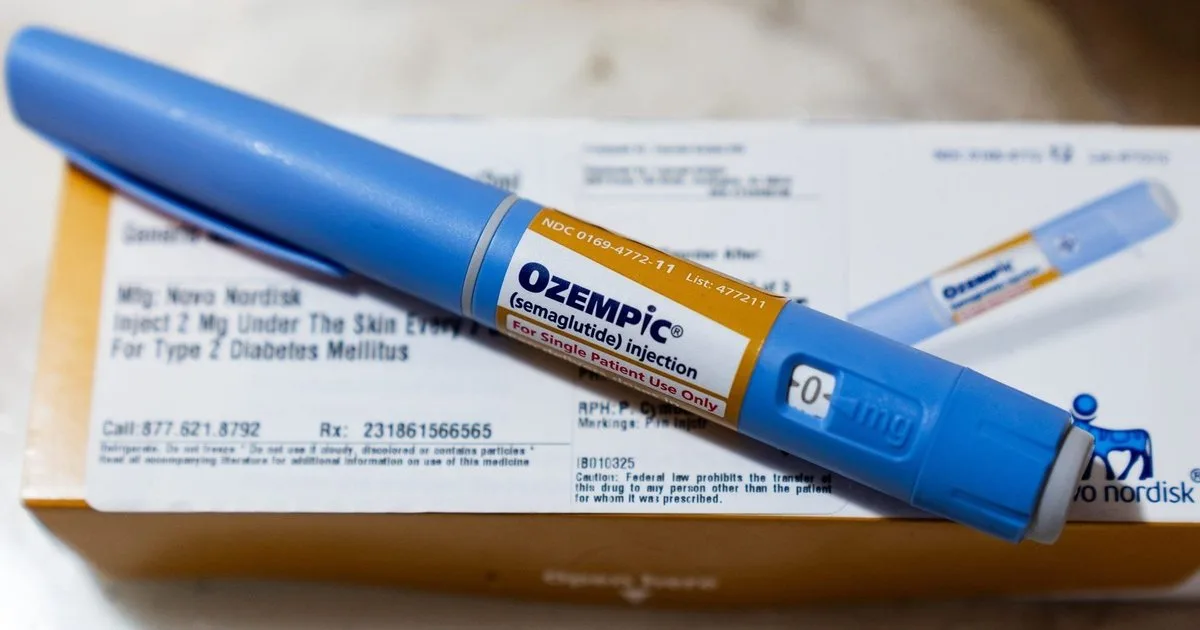
GLP-1 receptor agonists, including drugs like semaglutide (Ozempic, Wegovy) and others, were initially designed to help manage type 2 diabetes. Their primary function involves mimicking the action of a natural hormone that helps regulate blood sugar levels. However, they also have a significant impact on appetite, leading to weight loss in many individuals. According to the Journal of the Endocrine Society, these drugs also affect the brain pathways involved in reward and addiction.
- Mechanism of Action: These drugs work by interacting with receptors in the brain that are involved in appetite, food satisfaction and the reward system.
- Weight Loss Effects: They promote weight loss by decreasing appetite and increasing feelings of fullness.
- Beyond Diabetes: Recent studies suggest these drugs may also help curb cravings and reduce substance use in those struggling with addiction.
Semaglutide's Promising Role in Addiction Treatment
Semaglutide, a newer GLP-1 drug, has demonstrated encouraging results in reducing alcohol intake and cravings in early human studies. The research, as mentioned in the Journal of the Endocrine Society, suggests that these medications can help mitigate the urge to consume alcohol and other substances. Furthermore, studies in animals have shown that GLP-1 drugs can decrease the use of opioids, such as heroin, fentanyl, and oxycodone. This research opens doors for new strategies in treating substance use disorders.
Potential Benefits for Substance Use Disorders
Substance use disorders pose a major global health challenge, causing significant individual and societal impacts. Less than a quarter of people with addiction receive treatment, and current methods often have limited efficacy. The potential of GLP-1 drugs lies in their ability to affect the brain's reward system, which is pivotal in addiction pathways. The potential extends to various substances including alcohol, opioids, and nicotine.
Precision tracking for your journey
Join thousands using Shotlee to accurately track GLP-1 medications and side effects.
📱 Get the Shotlee App
Track your GLP-1 medications, peptides, and health metrics on the go with our mobile app!
Key Findings and Potential Outcomes
- Reduced Cravings: GLP-1 drugs have shown the potential to reduce cravings for addictive substances, including alcohol and drugs.
- Decreased Substance Use: Studies indicate that these medications can help individuals reduce their intake of harmful substances.
- Nicotine Dependence: Some studies suggest that these drugs can assist in reducing nicotine dependence, making it easier for individuals to quit smoking.
Practical Takeaways and Next Steps
While the initial findings are promising, it's crucial to acknowledge that research in this area is still ongoing. Further investigation is needed to fully understand the mechanisms behind these effects and to establish the optimal use of GLP-1 drugs in addiction treatment.
What to Consider
- Consult a Healthcare Professional: Anyone considering GLP-1 drugs for any reason should consult with a doctor to discuss potential risks and benefits.
- Research Ongoing: Stay informed about the latest research findings in this field.
- Comprehensive Approach: Treatment for addiction often involves a multi-faceted approach, including therapy, support groups, and sometimes, medication.
Embracing a Holistic Approach to Health and Wellness
Managing metabolic health and overall well-being is complex. While medication can play a role, understanding your body’s unique responses is also important. Tools like Shotlee can help track various health metrics, including weight, food intake, and activity levels. This data can provide valuable insights and aid in developing personalized wellness plans.
Conclusion: A Promising Future for Addiction Treatment
The emergence of GLP-1 drugs as a potential treatment for addiction represents a significant step forward in healthcare. Early research suggests that these medications could offer new hope to those struggling with substance use disorders, potentially improving outcomes and reducing the impact of addiction on individuals and communities. As research continues, the integration of these drugs could revolutionize treatment strategies and save lives.