
GLP-1 Drugs Fuel Sauce, Spice M&A Boom as Taste Buds Dull
America's growing adoption of GLP-1 drugs is transforming consumer eating habits, creating a booming market for sauces, spices, and condiments. With 12% of Americans having used these obesity medications, demand for flavorful additions to lean proteins is surging, attracting significant deal interest in the food sector.
Understanding GLP-1 Drugs and Their Impact on Eating Habits
GLP-1 receptor agonists, such as semaglutide (found in Ozempic and Wegovy) and tirzepatide (in Mounjaro and Zepbound), mimic the glucagon-like peptide-1 hormone to regulate blood sugar, slow gastric emptying, and reduce appetite. This leads to substantial weight loss but also side effects like altered taste perception and muscle atrophy.
Multiple studies show GLP-1 drugs dull the sense of taste, affecting all five basic tastes: sweet, salty, sour, bitter, and savory. This phenomenon, reported by patients, prompts users to seek out tangy, sweet, or fiery sauces to enhance otherwise bland healthy foods.
Additionally, GLP-1s can cause muscle atrophy, encouraging higher intake of lean proteins like chicken, meats, eggs, and vegetables. These foods often lack inherent flavor, driving consumers to dry rubs, marinades, and hot sauces.
How GLP-1s Alter Taste and Drive Flavor Cravings
Richard L. Doty, professor at the University of Pennsylvania and director of the Smell and Taste Evaluation Center, led a study published in the March 2025 ScienceDirect Journal. The research confirmed that GLP-1 medications significantly dull taste buds, explaining why users raid their cupboards for seasonings.
For patients, this means meals centered on wholesome, unprocessed foods may taste flat. Consulting a doctor about these changes is key, especially if combined with tools like symptom-tracking apps to monitor side effects.
The Food Industry Shake-Up: Winners and Losers
While fast-food and snack companies are projected to lose billions in revenue due to reduced consumption from GLP-1 users, peddlers of sauces and spices are thriving. Dealmakers note increased M&A activity as investors eye this "GLP-friendly" niche.
Consumers shifting from processed foods to healthier options creates opportunities for flavor enhancers. As Justin Craig, managing director and head of food and beverage at investment bank Moelis, explained: "The move towards protein, particularly meats and eggs, as well as vegetables and other healthier parts of the food pyramid—they don't always naturally have a lot of flavor. So, as people move away from processed foods to more wholesome areas, those naturally are an opportunity for a lot of these sauces and seasonings."
Spotlight on Recent High-Profile Deals
Two deals highlight this trend:
Precision tracking for your journey
Join thousands using Shotlee to accurately track GLP-1 medications and side effects.
📱 Get the Shotlee App
Track your GLP-1 medications, peptides, and health metrics on the go with our mobile app!
- Bachan's Acquisition: Specialty food products maker The Marzetti Company paid approximately $400 million last month for Japanese barbecue sauce brand Bachan's, which generated net sales of $87 million in 2025. On a February 3 earnings call, Marzetti CEO David Ciesinski told investors Bachan's was "GLP-friendly." He noted a rise in chicken consumption, adding, "And we all know that chicken tastes like chicken, so it begs for flavor." Bachan's complements Marzetti's brands like Caesar Cardini's salad dressing.
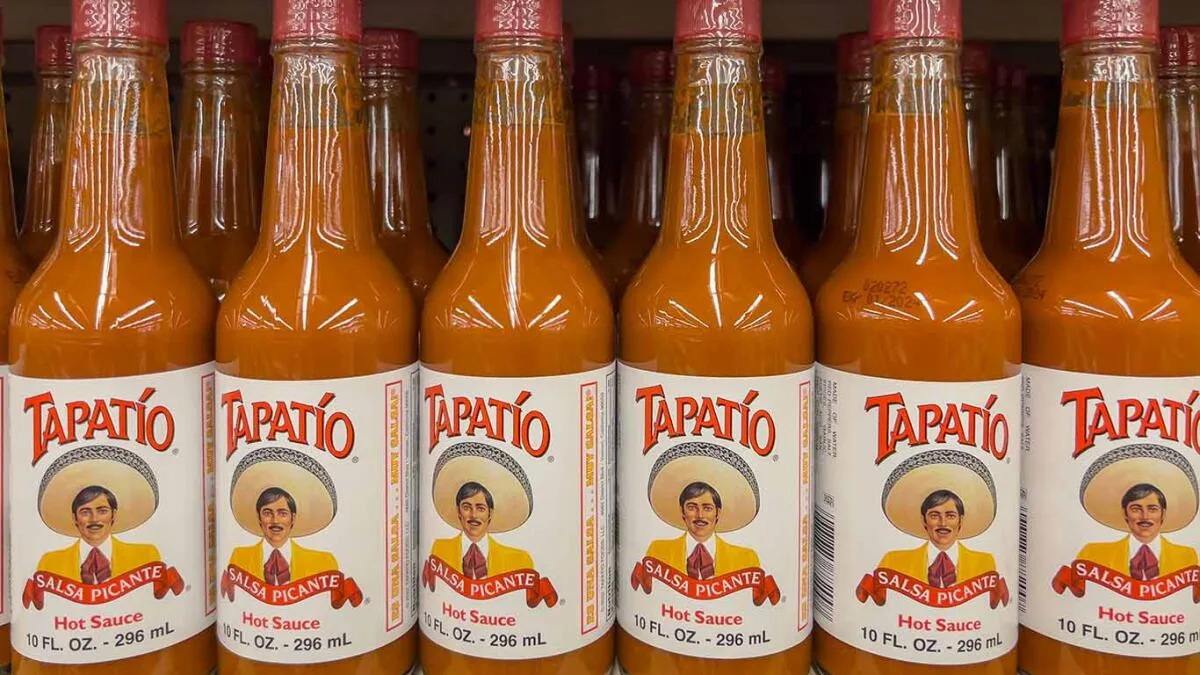
- Tapatio Sale: Dallas-based private equity firm Highlander Partners bought California-based hot sauce brand Tapatio in late January for an undisclosed sum. Tapatio ranks as the No. 5 hot sauce brand in the U.S. Highlander Partners President and CEO Jeff Hull said Tapatio was "poised to benefit from several secular trends that are dramatically reshaping consumer food choices," including the rise in healthy, lean protein consumption.
Both sales occurred in competitive auction processes with multiple bidders, fetching above-average valuations.
Mechanisms Behind the Shift: Science and Patient Experiences
GLP-1 drugs work by activating receptors in the gut and brain, promoting satiety and weight loss averaging 15-20% of body weight. However, they influence olfactory and gustatory systems, leading to dysgeusia (taste distortion).
Patients often report food tasting less appealing, pushing them toward bold flavors. To manage this safely:
- Incorporate low-calorie sauces and spices to maintain calorie deficits.
- Pair with high-protein meals to combat muscle loss—aim for 1.6-2.2g protein per kg body weight daily.
- Discuss persistent taste changes with healthcare providers, as they may signal other issues.
Safety note: While flavor enhancers help palatability, monitor sodium intake to avoid hypertension risks, common in metabolic health patients.
Comparisons to Traditional Diets and Alternatives
Unlike carb-heavy diets, GLP-1-supported eating emphasizes proteins and veggies, mirroring low-carb trends like keto but with pharmaceutical aid. Sauces provide a low-carb flavor boost over sugary alternatives.
Compared to other weight loss methods, GLP-1s uniquely alter sensory perception, amplifying condiment demand versus exercise or calorie counting alone.
What This Means for Patients and the Industry
Key Takeaways
- GLP-1 drugs have reached 12% U.S. penetration, reshaping food preferences toward flavor-packed healthy eating.
- Taste dulling and protein focus benefit sauce/spice makers amid fast-food declines.
- Deals like Bachan's ($400M) and Tapatio underscore investor enthusiasm.
- Patients: Experiment with seasonings mindfully; track symptoms for optimal therapy.
For those on GLP-1s, apps like Shotlee can help log taste changes, side effects, or meal impacts alongside medication schedules.
Future Outlook
As GLP-1 adoption grows—projected to affect 20-30 million Americans by 2030—expect more M&A in niche food sectors. Brands offering low-sugar, high-flavor options will lead.
Conclusion: Actionable Insights for GLP-1 Users and Investors
The GLP-1 boom is not just slimming waistlines—it's spicing up the food economy. Patients should embrace sauces to sustain adherence, while investors watch condiment companies. Discuss dietary tweaks with your doctor to leverage these shifts for better metabolic health outcomes.