
Introduction
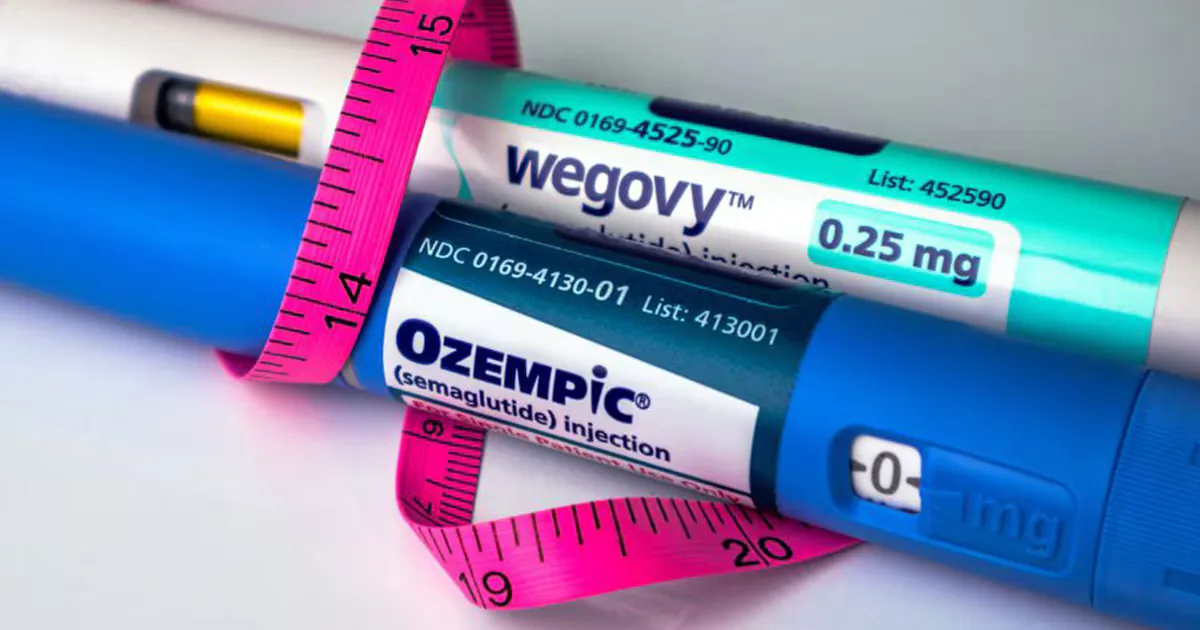
GLP-1 receptor agonists like Ozempic (semaglutide), Wegovy (higher-dose semaglutide), Mounjaro (tirzepatide), and Zepbound (tirzepatide for obesity) have revolutionized weight management. By mimicking the gut hormone glucagon-like peptide-1, these injectables suppress appetite, slow gastric emptying, and promote sustained weight loss—often 15-20% of body weight in clinical trials. But their influence extends far beyond individual health outcomes.
Recent investment bank reports highlight a fascinating "butterfly effect": collective weight loss from GLP-1s is reducing airline fuel expenses, while altering brain reward pathways to decrease alcohol intake, pressuring liquor companies. For patients on these therapies, this underscores how metabolic interventions can reshape behaviors and economies. This guide dives into the data, science, and implications.
The Surge in GLP-1 Medication Use
GLP-1 prescriptions have exploded. In the U.S. alone, usage doubled since early 2024, with millions adopting drugs originally for type 2 diabetes now FDA-approved for obesity. Globally, uptake is accelerating as supply chains stabilize.
Clinical evidence supports their efficacy. The STEP trials for Wegovy showed average 15% weight reduction over 68 weeks, while SURMOUNT trials for Zepbound hit 20-22%. This translates to real-world losses of 20-50 pounds per user, compounding across populations.
- Average user profile: Adults with BMI ≥30 (or ≥27 with comorbidities).
- Dosing: Weekly injections, titrated from 0.25mg (Ozempic) up to 2.4mg (Wegovy).
- Key mechanism: Activation of hypothalamic neurons to signal fullness and reduce hedonic eating.
Tools like Shotlee can help users track weight progress, symptoms, and nutrition alongside medication to optimize outcomes.
Airlines Reap Fuel Savings from Lighter Passengers
A Jefferies report estimates U.S. airlines could save up to $580 million (≈850 billion KRW) in 2024 from GLP-1-induced weight loss. Fuel comprises ~20% of operating costs; even modest reductions amplify profits.
The Physics of Passenger Weight and Fuel
Aircraft fuel burn scales with takeoff weight. A 10% average passenger weight drop—plausible with widespread GLP-1 use—lightens planes by ~1,450 kg per flight (2% total reduction). This cuts fuel needs by up to 1.5%, boosting earnings per share by 4%.
"For fuel-hungry carriers, this is an unexpected windfall amid rising jet fuel prices." – Jefferies Analyst
Assuming 5-10 million U.S. users losing 20-30 lbs each, aggregate savings materialize. Real-world data from Delta and United anecdotally supports lighter loads, though airlines don't publicly attribute gains solely to GLP-1s.
Context: Post-pandemic, airlines face capacity constraints. Lighter loads mean more efficient routes, fewer emissions—a win for sustainability too.
GLP-1s Dim Alcohol's Allure, Threatening Liquor Sales
Morgan Stanley's survey of GLP-1 users (e.g., Wegovy) found 60% of prior drinkers reduced intake post-treatment. By 2035, U.S. alcohol consumption could fall 5%, stunting a stagnant industry's growth.
Precision tracking for your journey
Join thousands using Shotlee to accurately track GLP-1 medications and side effects.
📱 Get the Shotlee App
Track your GLP-1 medications, peptides, and health metrics on the go with our mobile app!
Brain Reward Pathways Explained
Alcohol triggers dopamine release in the nucleus accumbens, the brain's reward center, fostering pleasure and craving. GLP-1s, however, modulate this via GLP-1 receptors in the mesolimbic system.
Preclinical studies (e.g., rodents) show semaglutide blunts alcohol-induced dopamine spikes by 20-50%. Human fMRI data confirms reduced ventral striatum activation during alcohol cues. Users report drinking feels "less fun" or satisfying—echoing appetite blunting for food.
- Clinical nuance: Not total aversion; moderate reduction, especially binge drinking.
- Supporting trials: A 2023 JAMA study noted 50% lower alcohol use in semaglutide users vs. controls.
This aligns with GLP-1s' broader anti-addictive potential, seen in reduced smoking and opioid cravings in trials.
Broader Implications for Metabolic Health and Behavior
Positive Ripple Effects
Beyond economics, lower alcohol ties to better liver health (less NAFLD risk) and cardiometabolic outcomes—vital for GLP-1 candidates with obesity-related comorbidities.
Average side effects like nausea may further deter drinking initially, but reward modulation persists.
Patient Considerations
If on GLP-1s, monitor hydration and nutrition, as alcohol exacerbates GI side effects. Use apps like Shotlee to log intake, side effects, and mood shifts for personalized insights.
Evidence-based tips:
- Hydrate doubly if socializing.
- Opt for low-cal mixers to align with calorie deficits.
- Discuss with providers if history of alcohol use disorder—GLP-1s aren't substitutes for therapy.
Economic Butterfly Effect
One patient's jab fills airline coffers while challenging distillers. As GLP-1s reach 10-20% of eligible populations, expect policy shifts: airlines lobbying for access, liquor firms innovating low-alc options.
Conclusion
GLP-1 medications exemplify precision medicine's far-reaching impact: 15-20% weight loss lightens planes (saving $580M+), curbs drinking (60% reduction rate), and fosters healthier habits. For users, this signals holistic benefits—appetite control extends to vices.
Stay informed, track diligently, and pair with lifestyle changes for optimal results. These drugs aren't magic bullets but powerful tools in evidence-based weight management.