
GLP-1s and Total Joint Replacement Outcomes
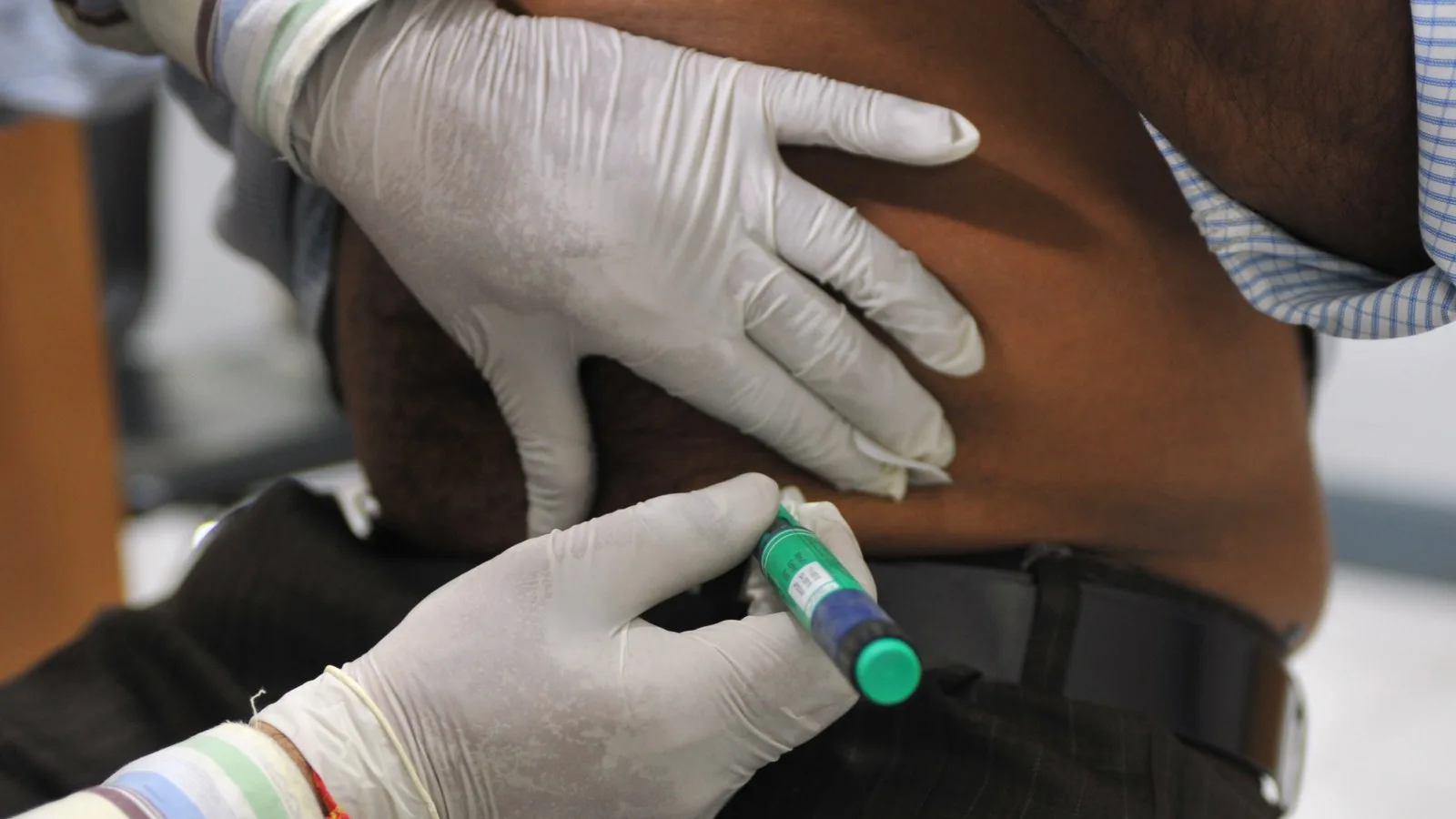
The utilization of GLP-1s might significantly influence total joint replacement procedures. However, several unanswered questions persist regarding their use prior to surgery and their lasting effects on musculoskeletal well-being.
The World Obesity Federation projects that by 2030, 1.13 billion adults globally will be affected by obesity, marking a 115% increase since 2010.
This rise in obesity correlates with increased health risks, such as type 2 diabetes, heart disease, kidney disease, and osteoarthritis. While managing weight can lower these risks, maintaining weight loss is challenging due to genetic and environmental influences.
Data from FAIR Health indicates a significant increase in the use of GLP-1 receptor agonists for weight loss, rising from 3.7% in 2019 to 16.5% in 2024 among commercially insured adult patients.
Rachel Pessah-Pollack, MD, FACE, from NYU Langone Health, explained that GLP-1 receptor agonists mimic the GLP-1 hormone, promoting insulin secretion, reducing glucagon release, delaying gastric emptying, and inducing a feeling of fullness. These mechanisms aid in improving sugar levels and facilitating weight loss, making them suitable for treating type 2 diabetes and obesity.
GLP-1s and Access to Arthroplasty
Due to weight restrictions often imposed for total joint replacement to minimize complication risks, patients with a BMI of 40 kg/m2 or higher have faced difficulties accessing arthroplasty care, according to Nathanael D. Heckmann, MD, from Keck Medicine of USC. He suggested that GLP-1 receptor agonists may offer a safer weight loss option for these patients.
Heckmann noted that using GLP-1 receptor agonists before hip and knee replacement surgery has been associated with fewer complications compared to bariatric surgery. This has broadened access to care for a growing segment of the population with hip and knee arthritis by enabling meaningful weight loss.
A 2024 study in The New England Journal of Medicine by Henning Bliddal, MD, and colleagues, revealed that knee osteoarthritis patients with at least moderate pain who were prescribed semaglutide (Ozempic/Wegovy) experienced greater weight loss and improvements in physical function and pain scores compared to those on a placebo.
While weight loss, pain relief, and improved function might postpone total joint replacement, according to some experts, Cameron K. Ledford, MD, from Mayo Clinic Florida, clarified that this isn't universally applicable.
Ledford emphasized that weight loss, especially for those overweight, is the best non-surgical approach for arthritis and pain. Significant weight loss can delay the need for total joint replacement by alleviating stress and inflammation, thereby enhancing pain and function. However, patients with severe arthritis may still require surgery regardless of GLP-1 use.
Potential Complications and Safety Measures
Although generally considered safe, GLP-1s may still lead to intraoperative and postoperative complications, as noted by experts.
Ledford highlighted that the primary intraoperative risk involves delayed gastric emptying, which heightens the potential for pulmonary aspiration during anesthesia.
To mitigate this risk, it's advised that patients avoid taking GLP-1 medications before orthopedic surgery. However, the recommended duration for abstaining from these medications varies from one day to three weeks, depending on the institution. Health tracking apps like Shotlee can help monitor medication adherence, but it is important to consult with doctors.
Daniel K. Witmer, MD, of Hartford Hospital Bone and Joint Institute, mentioned that most physicians advise stopping GLP-1 medication one week before surgery. Alternatively, patients can continue the medication but should then abstain from food for 24 hours instead of 8 hours before surgery.
Heckmann added that anesthesiologists can use gastric ultrasounds, rapid sequence induction, or intubation for patients continuing GLP-1 medications until the day before surgery.
Pessah-Pollack listed common adverse effects of GLP-1s, including nausea, vomiting, constipation, loss of appetite, and a higher risk of gallstones.
Pessah-Pollack stressed the importance of careful coordination with a specialist to titrate the dose, ensuring a balance between the beneficial and adverse effects.
Recent data presented by Heidi Prather, DO, at the American College of Lifestyle Medicine Annual Meeting indicated that patients on GLP-1s refilled their opioid prescriptions more frequently than those not on GLP-1s. Prather suggested potential reasons, such as a blunted response to pain medication in patients with metabolic disease and the timing of restarting GLP-1s after surgery.
Prather also noted that rapid weight loss could lead to postoperative deep infection. While delaying the continuation of GLP-1s post-surgery can reduce infection risk, recommendations vary. Ledford stated that GLP-1 medications can resume once gastrointestinal function returns and patients can tolerate oral intake without nausea or vomiting, possibly as early as postoperative day 1. Heckmann, however, prefers patients restart GLP-1s after the incision heals, around postoperative week 2 or 3.
Precision tracking for your journey
Join thousands using Shotlee to accurately track GLP-1 medications and side effects.
📱 Get the Shotlee App
Track your GLP-1 medications, peptides, and health metrics on the go with our mobile app!
Heckmann explained that during the surgical recovery phase, patients need increased caloric intake for wound healing and infection resistance. Resuming medication too early and severely restricting food intake could increase the risk of wound healing complications and infection, not intrinsically caused by the medications but by their profound effect on hunger.
Future Directions and Considerations
As GLP-1 receptor agonist use expands, Ledford emphasized the need for standardized perioperative safety protocols, including guidelines on when to stop and restart GLP-1s, and their impact on patient-specific risk factors.
Pessah-Pollack suggested these protocols could be tailored to specific procedures based on potential complication risks.
Pessah-Pollack noted that many obese patients face higher risks of postoperative complications. Patients with a BMI of 40 kg/m2 or greater have a higher risk of in-hospital mortality, longer hospital stays, and ICU stays after orthopedic trauma. GLP-1s are a promising medication class to help with weight reduction prior to surgery. Determining the optimal window to hold these medications to reduce aspiration and perioperative complications while allowing patients to benefit from GLP-1s remains a challenge.
Heckmann advocated for research to determine the optimal duration of GLP-1 therapy before surgery to avoid a catabolic state, and to identify the amount of weight loss needed to significantly lower a patient's complication risk.
Heckmann stated that while excess weight increases risk, the specific amount of weight loss needed to mitigate risk varies and requires further individualized assessment.
Ledford called for more research on how GLP-1s affect bone mineral density, fracture risk, muscle preservation, wound healing, and infection rates. Heckmann also emphasized the importance of determining whether the weight loss from GLP-1s or their disease-modifying effects delay TJR.
Heckmann suggested these medications might slow osteoarthritis progression not just through weight loss, but by directly interacting with joint cells, potentially leading to lower doses of GLP-1 receptor agonists to slow the progression of osteoarthritis in the future.
Prather cautioned that GLP-1s alone are insufficient for long-term change, especially for patients unable to continue the medications due to adverse effects, cost, or access. She emphasized providing patients with tools to enact behavioral changes, such as increasing physical activity, improving nutrition and sleep, managing stress, and fostering social support.
Prather further emphasized avoiding excessive muscle loss, which can harm bone health, and ensuring adequate hydration.
Prather stressed the need for patients to understand the importance of hydration, muscle mass maintenance through exercise and strength training, and a healthy diet. She noted that relying solely on medication isn't enough for improved health and that improving metabolic health through lifestyle behavior changes linked to reduced chronic systemic inflammation should be the main goal.
Ledford advised orthopedic surgeons to remain cautious about the long-term implications of GLP-1s, despite promising outcomes.
Ledford recommended staying informed with the latest data and approaching each patient with a multidisciplinary care team, including anesthesia and medicine providers, using individualized risk stratification to indicate surgery and guide perioperative recommendations.
Heckmann recommended surgeons screen patients for GLP-1 use before orthopedic surgery and avoid operating if a patient is undergoing rapid weight loss. If patients are on GLP-1s, surgeons should verify the hospital's policy on when to pause their use and screen for malnutrition.
Heckmann explained that even though these medications do not directly cause malnutrition, patients sensitive about their weight who have undergone rapid weight loss can sometimes be protein malnourished due to restrictive dietary habits. It is thus crucial to screen these patients and educate them on the importance of optimizing nutritional intake around the time of surgery.
Witmer added that patients should be informed about the risks and benefits of GLP-1 receptor agonists, and the increased postoperative risks for nausea and vomiting.
Despite the remaining unknowns about GLP-1 receptor agonists, Heckmann stated that these medications have already revolutionized medically directed weight loss.
Heckmann concluded that they will continue to revolutionize orthopedics, making surgical interventions more accessible to high-risk patients who previously lacked access. These medications are already improving orthopedics and will continue to have a profound impact.