
For Pregnancy, Halting GLP-1s Presents Complex Issues
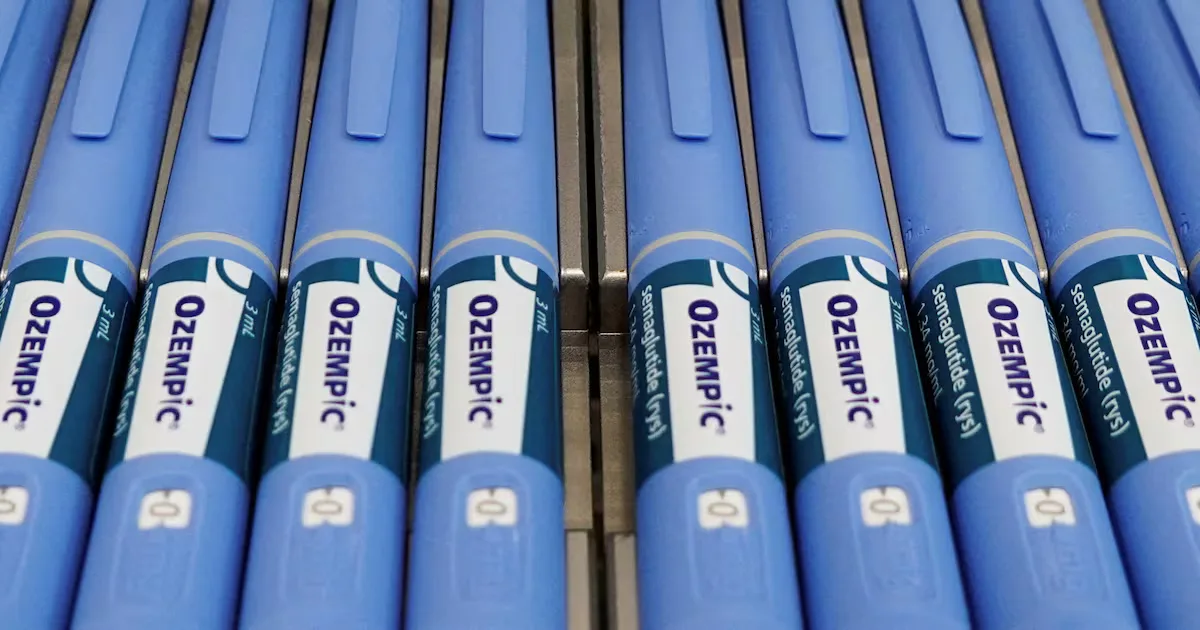
The use of weight loss medications like Ozempic during pregnancy isn't advised. However, a recent study indicates that discontinuing these drugs either right before conception or in the beginning stages of pregnancy could pose certain risks. Experts suggest that, without further investigation, the data presents a complex view of the relationship between GLP-1s and pregnancy.
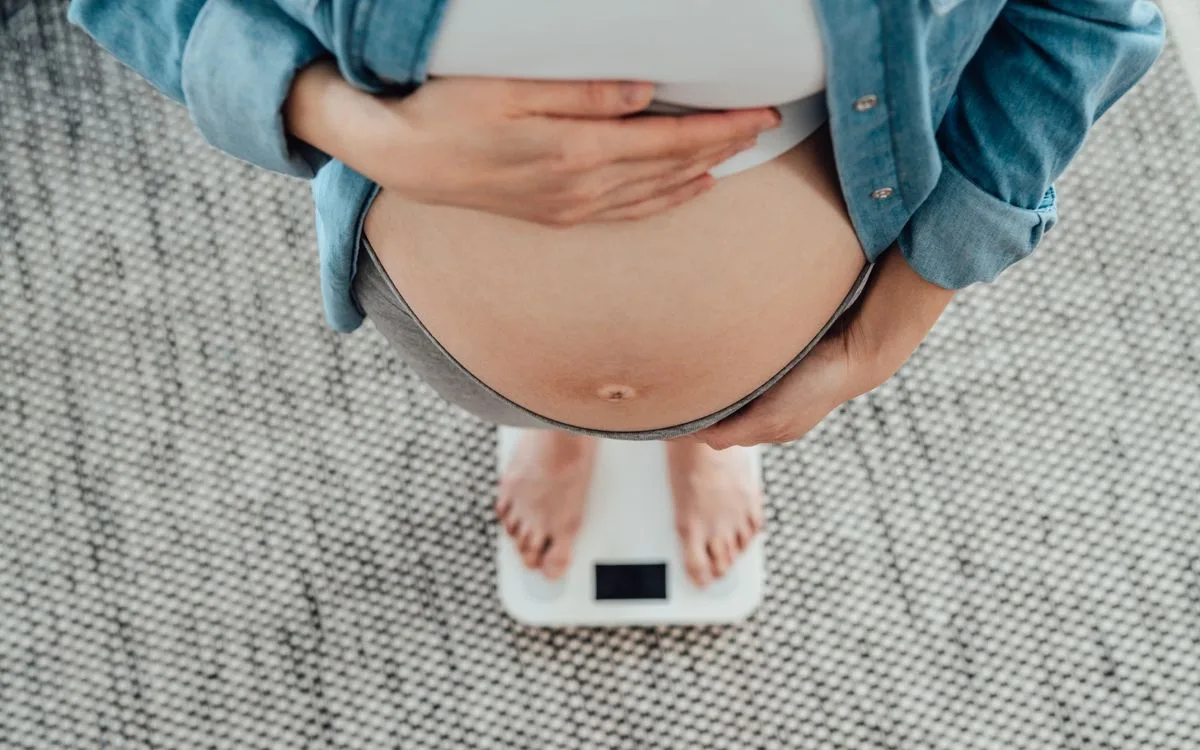
According to an observational study recently published in JAMA, individuals who stopped using GLP-1 weight-loss drugs prior to or during pregnancy experienced greater gestational weight gain compared to those who were not prescribed these drugs. Additionally, they faced a higher risk of hypertensive disorders during pregnancy, gestational diabetes, and preterm delivery. Gestational diabetes is associated with an increased risk of developing Type 2 diabetes later in life.
Researchers at Mass General Brigham in Boston examined medical records from approximately 150,000 pregnancies occurring between June 2016 and March 2025. The data showed that individuals prescribed GLP-1 drugs were more likely to gain more weight than recommended during pregnancy. Among those previously prescribed the medication, 65% of 448 pregnancies experienced excessive gestational weight gain, whereas only 49% of 1,344 pregnancies that did not involve GLP-1 use saw similar gains.
The lead study author, pediatric endocrinologist Jacqueline Maya, told Medscape Medical News that the weight gain associated with discontinuing the drugs outside of pregnancy made the increases observed in the study unsurprising. However, the team was "reassured that there were no changes in infant birth weight," but were "concerned that there were increases in the risk of obstetric outcomes." Given the limitations of observational studies, it's impossible to determine if stopping the medications directly caused the adverse outcomes.
Precision tracking for your journey
Join thousands using Shotlee to accurately track GLP-1 medications and side effects.
📱 Get the Shotlee App
Track your GLP-1 medications, peptides, and health metrics on the go with our mobile app!
The study highlights potential risks that would benefit from closer monitoring and "underscores the need for new strategies to support patients during the transition off these medications," Maya stated. These findings emphasize significant gaps in care and can help guide future research, clinical counseling, and approaches to managing weight during pregnancy. Health tracking apps like Shotlee can help monitor weight and other health metrics during this transition.
Study Limitations and Alternative Perspectives
Some experts have pointed out the need for clarification on who actually took the medication, noting that the study "relied on medical records of people who were prescribed the drug" without confirming actual usage. Another limitation was the researchers' method of assessing obesity levels, basing it on weight after GLP-1-related weight loss instead of the initial, higher weight. Taraneh Soleymani, an associate professor of medicine and director of obesity medicine at Penn State College of Medicine, who was not involved in the study, suggested this comparison might underestimate the benefits of reducing obesity before pregnancy.
Although animal studies indicate that GLP-1 drugs should be discontinued before pregnancy due to safety concerns, Soleymani emphasized that this doesn't negate their benefits on obesity before conception. The optimal timing for discontinuing GLP-1s to ensure the best pregnancy outcomes remains an unanswered question, according to Maya. Experts must "exclude any potential long-term impact on childhood metabolic health." Since these medications are known to be "beneficial for weight, blood sugar, and cardiovascular health," the focus should be on "finding ways to support women who come off these medications for pregnancy."