Feline Obesity Targeted by New 'Ozempic'-Like Drug Trial for Cats
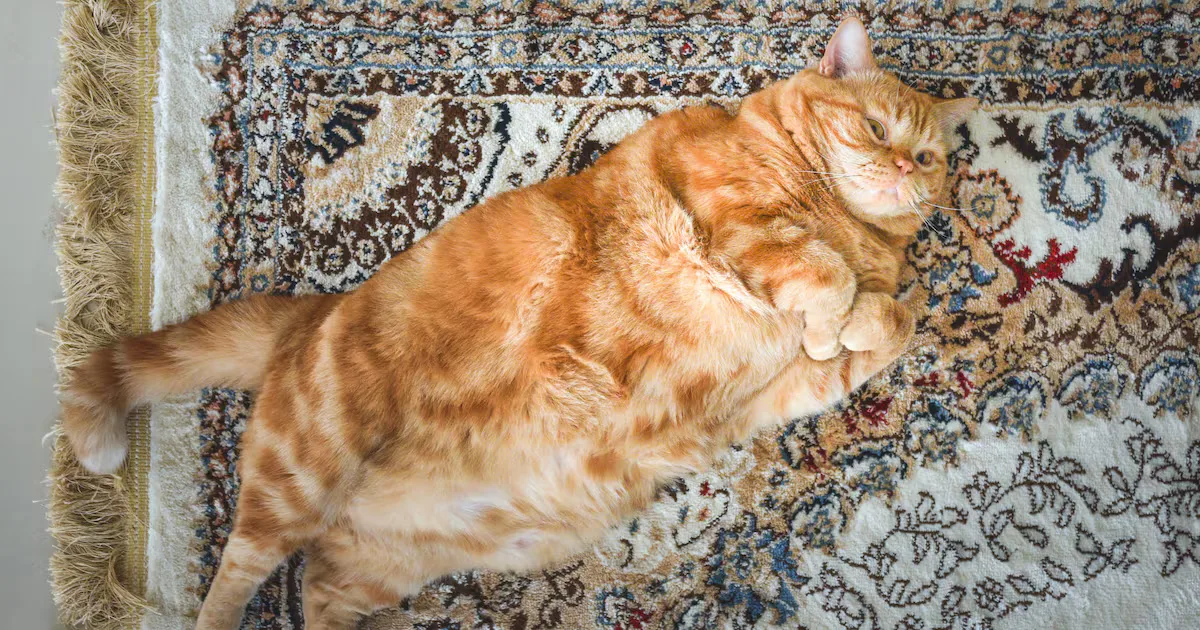
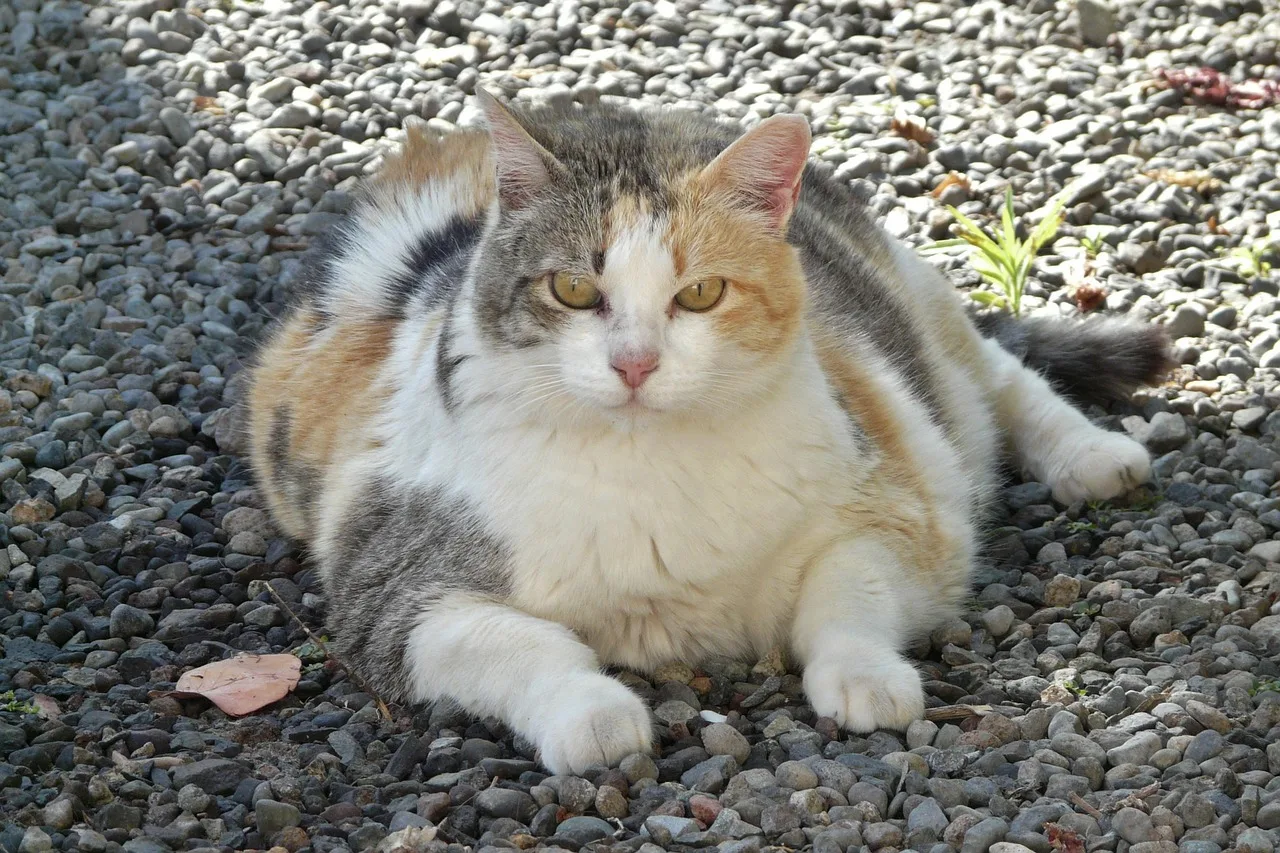
Experts estimate that approximately 60% of cats in America are overweight, which contributes to a rise in feline diabetes cases.
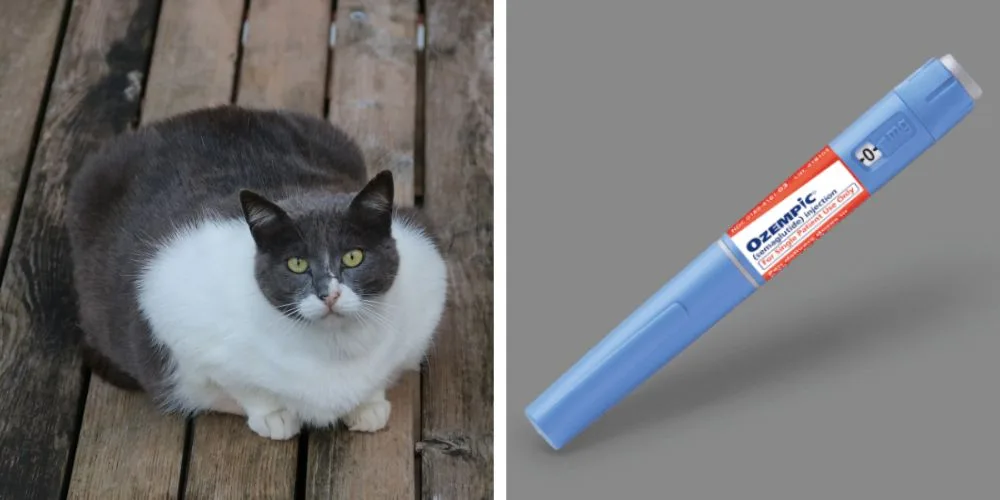
A novel weight reduction treatment for pets, which utilizes the same drug category as well-known human medications like Ozempic and Wegovy, is undergoing testing in cats.
Based in San Francisco, OKAVA Pharmaceuticals has initiated the first clinical trial globally of a GLP-1 therapy specifically designed for pets. The study, known as MEOW-1, involves the administration of an "ultra-long acting" implant to overweight felines to assist in weight loss. The initial cat has been successfully dosed.
The OKV-119 Implant
The implant, identified as OKV-119, is a compact device inserted under the skin during a standard veterinary appointment. It's engineered to deliver a consistent dose of a GLP-1 receptor agonist medication for a period of up to six months, thereby removing the need for regular injections. Health tracking apps like Shotlee can help monitor a pet's progress during such treatments.
According to the company, this technology has the potential to significantly impact the treatment of prevalent pet conditions, including diabetes, kidney disease, and obesity, while also supporting healthy aging and increased lifespan.
OKAVA's CEO, Michael Klotsman, stated that the drug is intended to provide a new solution that goes beyond conventional diet and exercise. Klotsman mentioned in a press release that restricting calories, or fasting, is a well-known way to extend lifespan and improve metabolic health in cats.
Precision tracking for your journey
Join thousands using Shotlee to accurately track GLP-1 medications and side effects.
📱 Get the Shotlee App
Track your GLP-1 medications, peptides, and health metrics on the go with our mobile app!
He added that OKV-119 is designed to mimic the benefits of fasting, such as improved insulin sensitivity, reduced fat mass, and more efficient energy metabolism, without requiring substantial changes in feeding habits or disturbing the bond between humans and animals that often revolves around food.
Pet Obesity: A Growing Concern
Pet obesity is a widespread concern. Experts estimate that roughly six in ten cats in the United States are overweight. This issue significantly contributes to the increasing rates of diabetes in both cats and dogs.
Dr. Ernie Ward, a leading expert on pet obesity, highlighted the excitement surrounding the potential benefits beyond just weight loss, referencing human data indicating that GLP-1 drugs improve diabetes risk and overall long-term health. He also stated that the crucial factors for the trial are the drug's effectiveness, potential side effects, and ultimate cost.
OKAVA anticipates that the treatment will cost pet owners approximately $100 each month.
The MEOW-1 trial will assess the safety, tolerability, and effectiveness of OKV-119 in a group of 50 cats who are either overweight or obese. The company plans to seek FDA approval for use in cats within the next couple of years, and a similar study is being considered for dogs.