
Fat Cells Burn Energy for Heat: Next Weight Loss Frontier
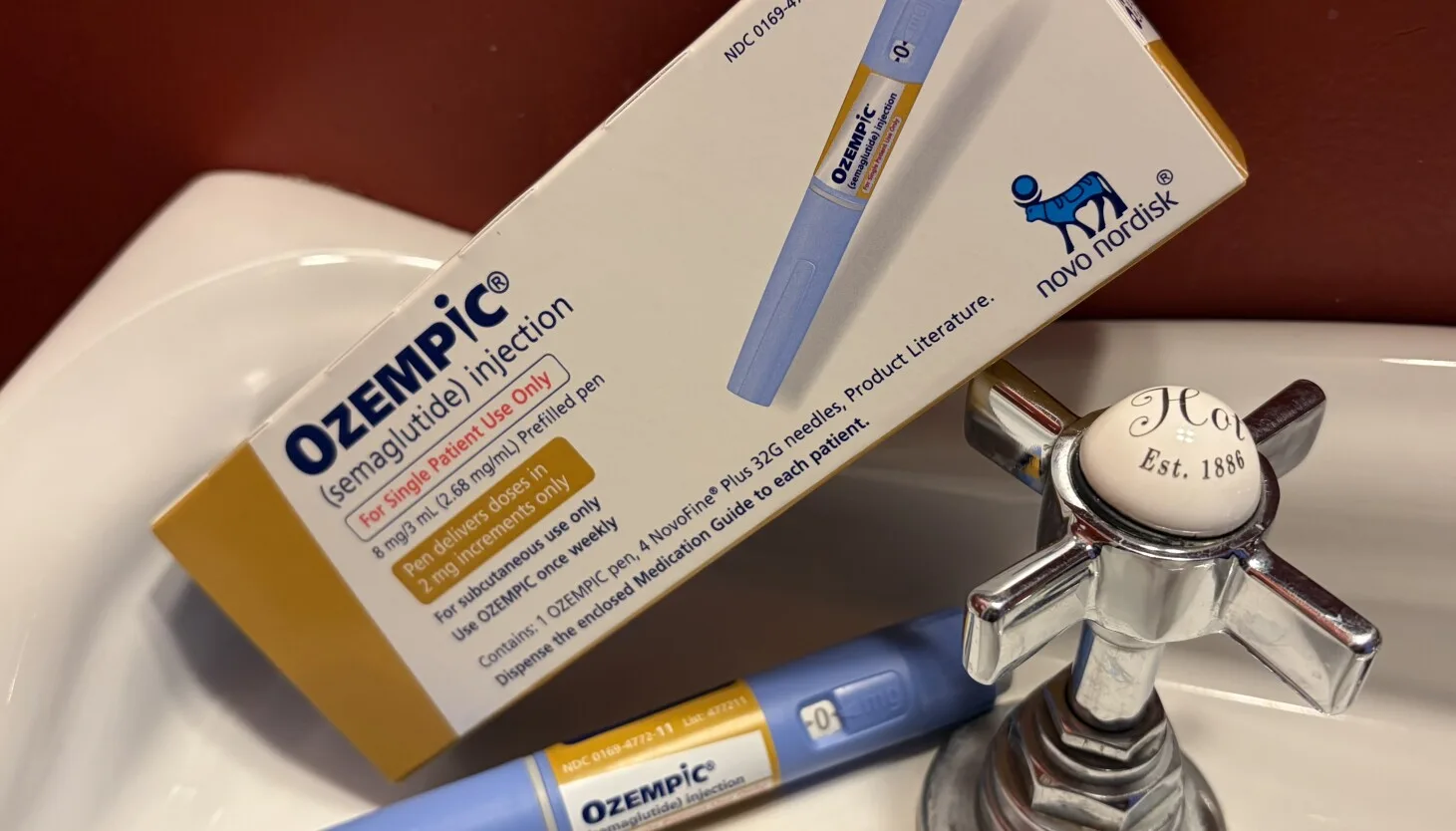
In recent years, GLP-1 medications such as Ozempic, Wegovy, and Mounjaro have revolutionized obesity treatment by curbing appetite, proving that body weight is biologically regulated. These drugs help people eat less and feel full sooner, leading to meaningful weight loss. However, fat cells burning energy to produce heat represents the emerging frontier in weight loss therapies, shifting focus from energy intake to expenditure.
This approach targets adipose tissue—commonly misunderstood as mere calorie storage—to enhance metabolic health. By harnessing fat's heat-generating capacity, therapies could complement GLP-1 drugs, addressing both sides of the energy balance equation for more durable results.
Understanding Fat Tissue: More Than Passive Storage
For decades, fat—or adipose tissue—was viewed as a passive pantry for excess calories. Modern science reveals a far more complex picture. White adipose tissue, the predominant type in adults, stores energy as triglycerides but serves multiple roles.
Key Functions of White Fat
- Endocrine organ: Releases hormones like leptin (reduces appetite) and adiponectin (regulates insulin and blood sugar).
- Protective buffer: Cushions organs, insulates against heat loss, and stores excess lipids to prevent buildup in liver or muscle.
- Metabolic health guardian: Healthy expansion protects the body; inflamed or oversized cells contribute to insulin resistance, fatty liver disease, and cardiovascular risk.
Obesity stems from white fat cell expansion and proliferation. Paradoxically, increasing new fat cell numbers can sometimes improve function, highlighting fat's adaptability.
Brown Fat: Nature's Calorie-Burning Furnace
Unlike white fat, brown adipose tissue is engineered to burn energy. Packed with mitochondria—the cell's power plants—it contains UCP1, a protein that converts chemical energy directly into heat, dissipating calories rather than storing them.
In infants, brown fat maintains body temperature. Once thought absent in adults, late 2000s imaging studies confirmed many retain active brown fat in the neck and upper chest. Cold exposure activates it: the brain signals brown fat to generate heat, ramping up energy use and calorie burn.
Potential for Weight Loss
Could activating brown fat combat obesity? It boosts energy expenditure, but human metabolism fights back. Increased burn often triggers hunger as the body compensates, an evolutionary safeguard for survival in cold climates. Animal studies and human observations show cold exposure heightens appetite, underscoring why standalone energy boosts rarely sustain weight loss.
Beige Fat: The Flexible Bridge Between White and Brown
Adding intrigue are beige fat cells, which emerge in white fat depots via cold exposure or hormonal signals. This "browning" process imparts brown fat-like heat production. Adipose tissue harbors stem and progenitor cells, enabling reprogramming from storage to energy-burning modes.
Researchers like Claudio Villanueva at the University of California, Los Angeles, are exploring safe ways to enhance fat's heat capacity without cold reliance. Brown and beige fat's purpose-built design makes them prime targets for metabolic disease treatments.
Precision tracking for your journey
Join thousands using Shotlee to accurately track GLP-1 medications and side effects.
📱 Get the Shotlee App
Track your GLP-1 medications, peptides, and health metrics on the go with our mobile app!
Challenges in Boosting Energy Expenditure
Fat isn't alone in energy use. Skeletal muscle drives much daily expenditure, especially during activity; the liver handles costly processes; even futile cycles generate heat. Future therapies may elevate energy flux across tissues—but without compensatory hunger or side effects.
The brain interprets sharp demand hikes as threats, activating survival defenses. GLP-1 drugs like Ozempic overcome intake resistance; pairing them with expenditure enhancers could yield superior outcomes by balancing intake and output.
GLP-1 Drugs and the Energy Balance Equation
Ozempic, Wegovy, and Mounjaro target appetite pathways effectively. Yet weight reflects calories in versus out—movement, exercise, and basal functions. While these GLP-1s control intake, fat-targeted therapies address output.
Why This Combination Matters for Patients
For those with obesity or metabolic issues, discuss brown fat activation or combo therapies with your doctor. Track symptoms and responses using apps like Shotlee to monitor energy levels, appetite changes, or side effects during treatment. This data empowers personalized care.
Compared to lifestyle alone, GLP-1s plus energy boosters may offer sustained loss without yo-yo effects. Safety profiles of GLP-1s include nausea or GI issues; emerging fat therapies must prioritize minimal disruption.
Shifting Perspectives: Fat as Ally, Not Enemy
Public views often demonize fat, but it's dynamic—protecting, signaling, adapting, and burning energy. This nuance fosters smarter strategies beyond "eat less."
Key Takeaways for Metabolic Health
- Fat cells burn energy for heat via brown and beige mechanisms, untapped for weight loss.
- Cold activates but hunger compensates; GLP-1 combos like Ozempic could counter this.
- Adipose flexibility via stem cells opens reprogramming possibilities.
- Next therapies target multi-tissue energy flux safely.
- Consult providers; tools like Shotlee aid tracking for optimal results.
Conclusion: From Appetite Control to Precision Expenditure
The GLP-1 era has launched; precision energy expenditure follows. By harnessing fat cells that burn energy to make heat, we move toward transformative, biology-aligned weight loss. Patients gain actionable hope: discuss integrations with providers for holistic metabolic strategies.
This article draws from insights by Claudio Villanueva, University of California, Los Angeles, republished from The Conversation.
Related reading: Your body’s built-in weight loss system like Wegovy; What is metabolism?; Aging, disease, and faulty metabolism.