
The Growing Issue of Obesity in the UK
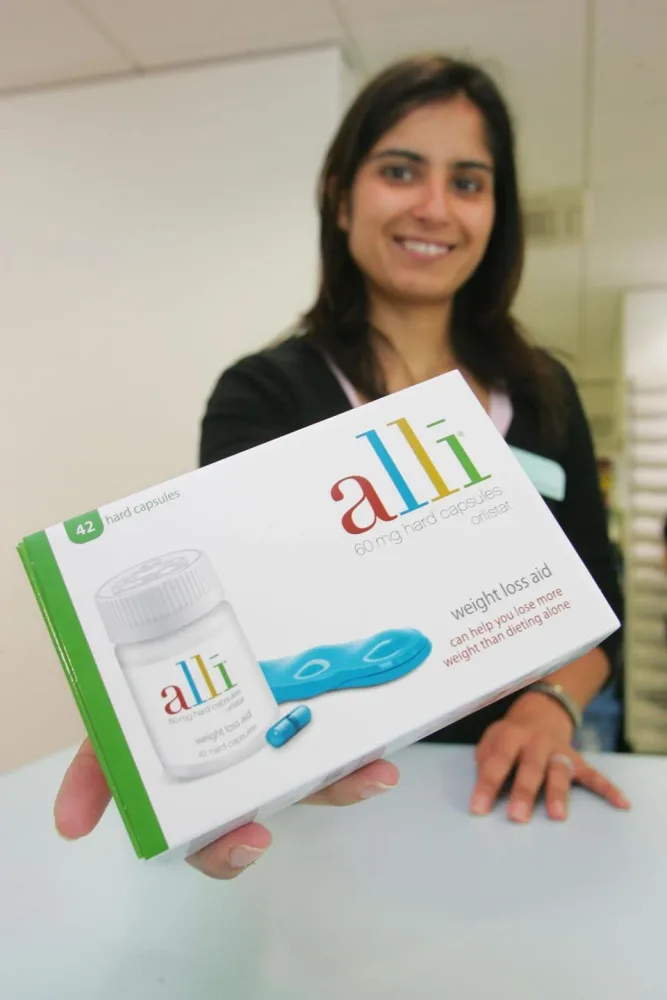
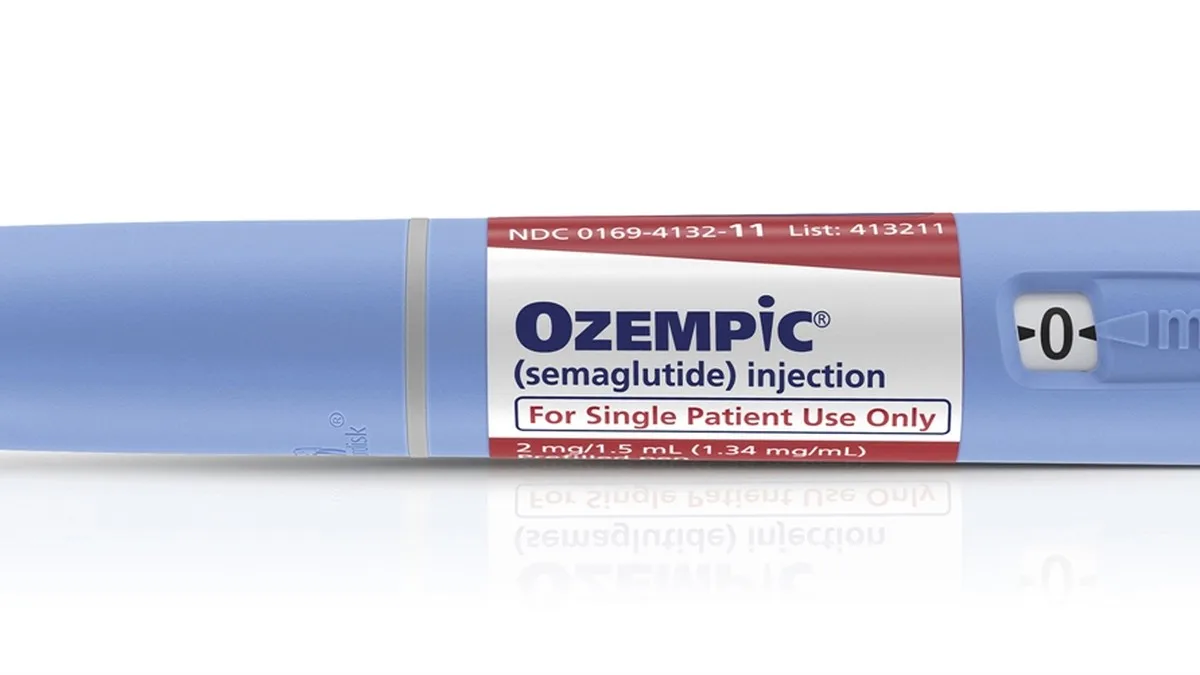
Approximately 28% of adults in the UK are now deemed obese, while an additional 36% fall into the overweight category. It's unsurprising that weight-loss injections have surged in use, with about 1.5 million individuals relying on them monthly. Although these treatments can lead to substantial weight reduction, specialists caution that they carry potential dangers and fail to address the underlying factors behind weight gain.
How Weight Loss Injections Operate
Mike Wakeman, a researcher, pharmacist, and founder of Evera Nutrition, stated: "Such medications mainly function by elevating concentrations of two gut hormones—GLP-1 and GiP—which suppress hunger, enhance satisfaction, and delay stomach emptying. The challenge lies in individuals depending solely on drugs."
Moreover, factors like stress, inadequate rest, excessive alcohol consumption, overeating episodes, and specific drugs or health issues such as hypothyroidism are frequently disregarded in discussions of weight problems. Without addressing these, they persist post-treatment and may result in regained pounds.
Recent studies indicate that after discontinuing weight loss injections, subjects recovered nearly all lost weight within the next year. Frequent adverse reactions encompass nausea, vomiting, constipation, and acid reflux.
More severe complications involve pancreatitis, gallbladder issues, and mood disorders in certain people. Rapid weight reduction can also lead to muscle loss, hair thinning, and even vision impairment.
Natural Alternatives to Injections
Specialists point out that mounting evidence shows particular plant-based compounds can aid in sustainable weight reduction alongside dietary adjustments and healthy habits—lacking the typical unwanted effects.
Mike remarked: "Fortunately, natural substances can emulate GLP-1 effects, including Glucomannan (a soluble fiber), Resveratrol, Hibiscus, Green Tea, Berberine, Curcumin, Cinnamon, and Mulberry. These are specially blended in New Evera Nutrition Go Lean Plus to promote appetite regulation, fullness, and metabolic wellness in conjunction with balanced meals and physical activity."
Precision tracking for your journey
Join thousands using Shotlee to accurately track GLP-1 medications and side effects.
📱 Get the Shotlee App
Track your GLP-1 medications, peptides, and health metrics on the go with our mobile app!
Essential Compounds and Their Research-Backed Roles
Delving into the evidence for several of these compounds, Mike elaborated: "Glucomannan, sourced from konjac root, expands in the digestive tract, fostering a sense of completeness and potentially enhancing GLP-1 levels. Resveratrol, present in items like grapes, demonstrates notable impacts on body mass index, waist size, and overall weight."
Hibiscus proves effective in lowering obesity, belly fat, and lipid levels. Catechins (EGCG) from green tea significantly decrease body weight, BMI, and midsection girth, particularly with increased amounts and extended periods, combined with nutritious eating and workouts. They accelerate metabolism and improve fat oxidation.
Berberine, a botanical extract, in a comprehensive review of 12 investigations, lowers weight, BMI, and waist measurements. Curcumin, turmeric's key element, in an overarching analysis of 14 reviews and 39 controlled trials, diminishes body weight, BMI, and waist size. It influences glucose and lipid profiles.
Cinnamon contributes to weight reduction by stabilizing blood sugar. An analysis of 12 experiments involving 734 participants revealed that cinnamon decreases weight, BMI, and waist circumference. Mulberry exerts anti-obesity actions, such as stimulating brown adipose tissue.
Mike further noted: "Certain compounds may also inhibit Dipeptidyl Peptidase-4 (DPP-4). This enzyme degrades GLP-1 and GiP, so DPP-4 blockage prevents rapid breakdown of these hormones. Substances potentially involved comprise Curcumin, Resveratrol, Cinnamon, Maritime Pine Bark Extract, Blackcurrant, Mulberry, Quercetin, and Rosemary."
Health tracking apps like Shotlee can help monitor progress in weight management efforts, ensuring users stay on track with these natural approaches.