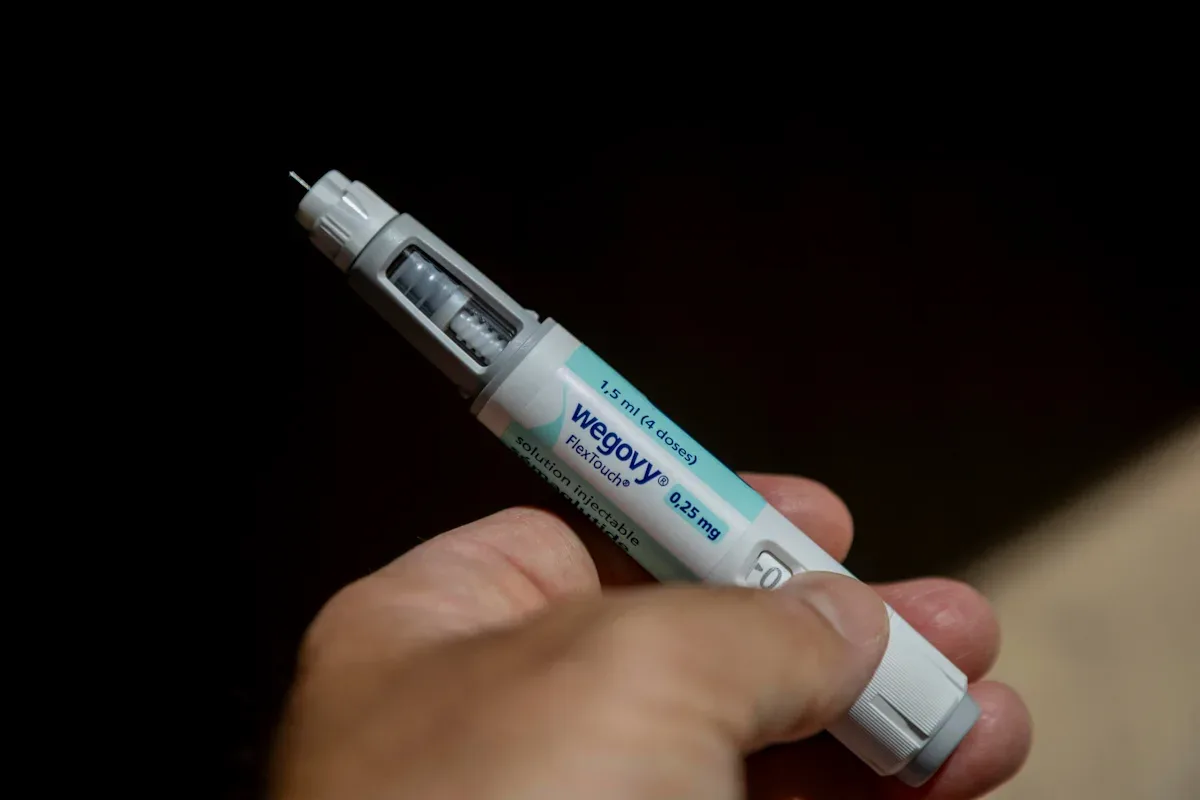
Direct Access: A New Paradigm for Weight Loss and Wellness
President Trump's recent agreements with pharmaceutical companies are reshaping how we access medications. This shift towards direct-to-consumer (DTC) purchasing, especially for high-demand medications like GLP-1 receptor agonists (
semaglutide,
tirzepatide) used for weight loss (
Ozempic,
Wegovy,
Mounjaro), could significantly impact the landscape of health and wellness. This new model prioritizes transparency and could potentially lower costs, offering greater control to individuals on their health journeys. The push for DTC sales could revolutionize how patients get the medications and treatments they need.
The Transparency Factor: Unveiling Drug Costs and Benefits
The traditional drug-pricing ecosystem often involves complex negotiations and hidden rebates that obscure the true cost of medications. Patients may end up paying high out-of-pocket expenses despite significant discounts negotiated between insurance companies and pharmacy benefit managers (PBMs). This new DTC model aims to offer a clearer picture by allowing patients to purchase medications directly from manufacturers, potentially at a reduced price. This transparency is crucial for making informed decisions about your health and is particularly important when considering long-term therapies like GLP-1s,
peptide therapy and metabolic health management.
What Does This Mean for You?
This shift in pricing could have a ripple effect on your wellness approach.
Greater transparency in pricing allows for a more realistic understanding of treatment costs, while
direct access could potentially simplify the purchasing process. This model promotes a deeper understanding of the medications you're taking and their true value based on measurable benefits. Direct sales may incentivize manufacturers to focus on patient outcomes and provide clearer information about their products. For example, understanding the cost of semaglutide for weight loss, or the benefits of peptide therapy for longevity, becomes easier when transparent pricing is in place.
The evolving pharmaceutical landscape emphasizes the importance of informed decision-making. Here are some key actions you can take to navigate these changes:
- Research and Compare: Explore different treatment options and compare pricing directly from manufacturers.
- Consult Your Healthcare Provider: Discuss the potential benefits and risks of any medication with your doctor, including alternatives.
- Monitor Your Health: Keep track of your health metrics and treatment progress.
- Understand the Value: Evaluate whether the price aligns with the measurable benefits you experience, such as weight loss or improved metabolic markers.
Tracking Your Health: Empowering Your Journey
As you navigate these changes,
health tracking becomes even more valuable. Tools like
Shotlee can help you monitor your health metrics, such as weight, blood sugar, and activity levels. Staying informed about these key indicators can help you assess the effectiveness of your treatment plan and make data-driven decisions about your wellness journey.
Conclusion: Embracing Transparency for a Healthier Future
The move toward direct-to-consumer pricing signals a shift towards transparency and patient empowerment in healthcare. By understanding the evolving landscape and taking proactive steps to research, consult with healthcare professionals, and track your progress, you can make informed decisions about your health and wellness. Embracing these principles can lead to a more effective and personalized approach to achieving your health goals, particularly when dealing with long-term treatments like those used for weight loss and metabolic health management such as semaglutide or peptide therapy.