
Dairy in Good Space as GLP-1 Shifts Protein Focus, Valio Says
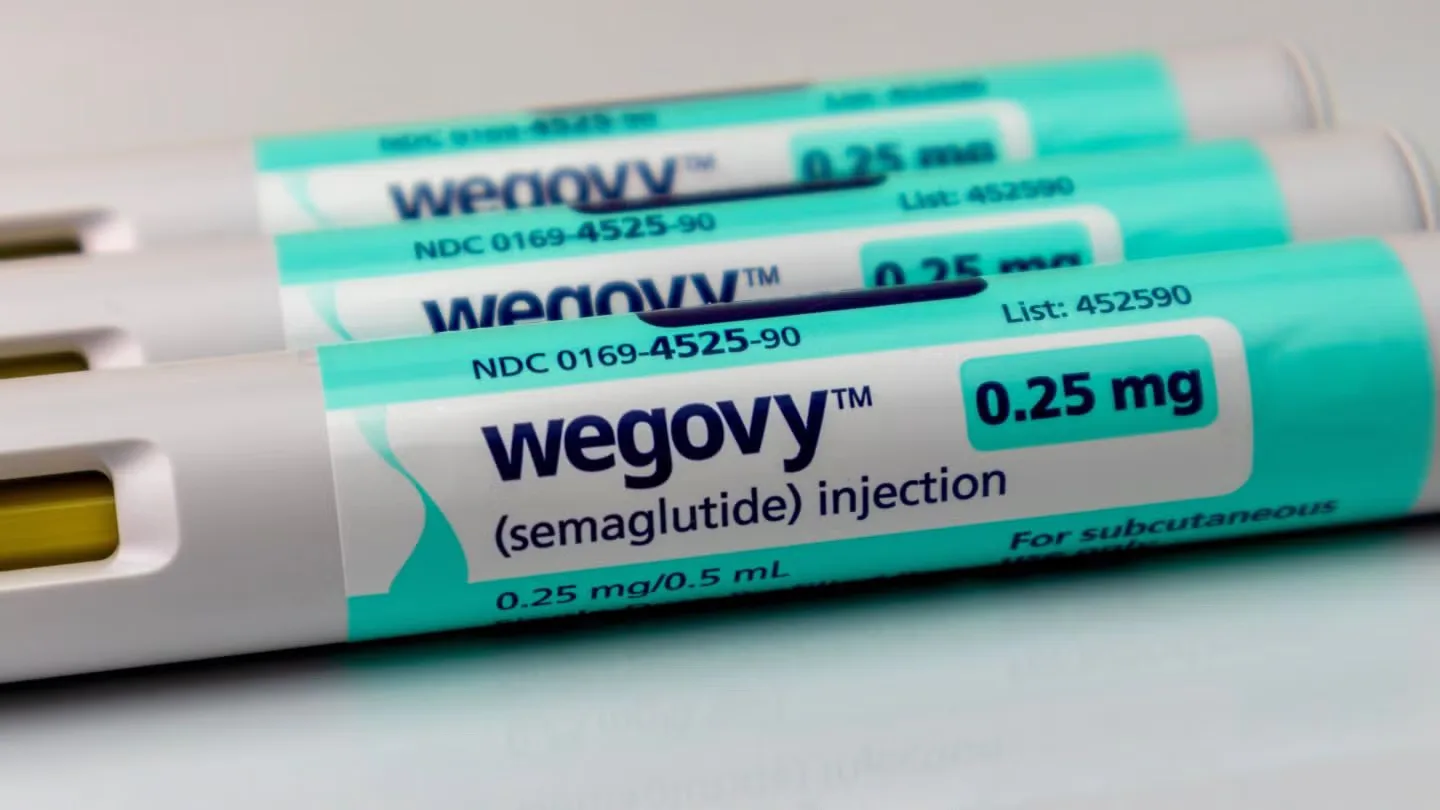
GLP-1 drugs, such as semaglutide found in Ozempic and Wegovy, are transforming how consumers approach nutrition, particularly protein intake. As these medications suppress appetite and lead users to eat less overall, there's a growing emphasis on protein quality to maximize nutritional benefits from smaller portions. This shift positions the dairy sector favorably, according to Dr. Kevin Deegan, vice president for innovation at Finland-based dairy giant Valio.
The Rise of GLP-1 Drugs and Their Impact on Eating Habits
GLP-1 receptor agonists mimic the glucagon-like peptide-1 hormone, which regulates blood sugar, slows gastric emptying, and signals fullness to the brain. This mechanism not only aids in weight management and diabetes control but also reduces overall calorie intake, including from protein-rich foods. Users on GLP-1 therapy often report diminished hunger, prompting a strategic focus on nutrient-dense options to avoid deficiencies.
At the Arena Dairy Innovation Strategies conference in Amsterdam on 25 March, delegates highlighted surging demand for dairy products amid rising GLP-1 popularity and broader consumer interest in protein. Dairy manufacturers have signaled increased sales, attributing this to users seeking to "not miss out on an important nutrient" despite eating less.
Why Protein Quality Matters More Than Ever for GLP-1 Users
Dr. Deegan described GLP-1 drugs as a "new driver" for how consumers "perceive" protein. "I don't see, in the near future at least, any end to this growth in protein but probably a nuance change is going to happen with this," he said during a panel discussion. "We're now maybe finally starting to talk a little bit more about protein quality, so not about quantity. GLP-1-type medication reduces your appetite. You're going to eat less. You want to get more bang for your bite. Consumers are going to start to pay more attention to the type of protein that they're getting."
Dairy proteins, like casein and whey, score highly on metrics such as the Protein Digestibility Corrected Amino Acid Score (PDCAAS), making them complete proteins with optimal amino acid profiles. This aligns perfectly with GLP-1 users' needs for efficient nutrient absorption from reduced food volumes.
Dairy's Natural Advantages in the GLP-1 Era
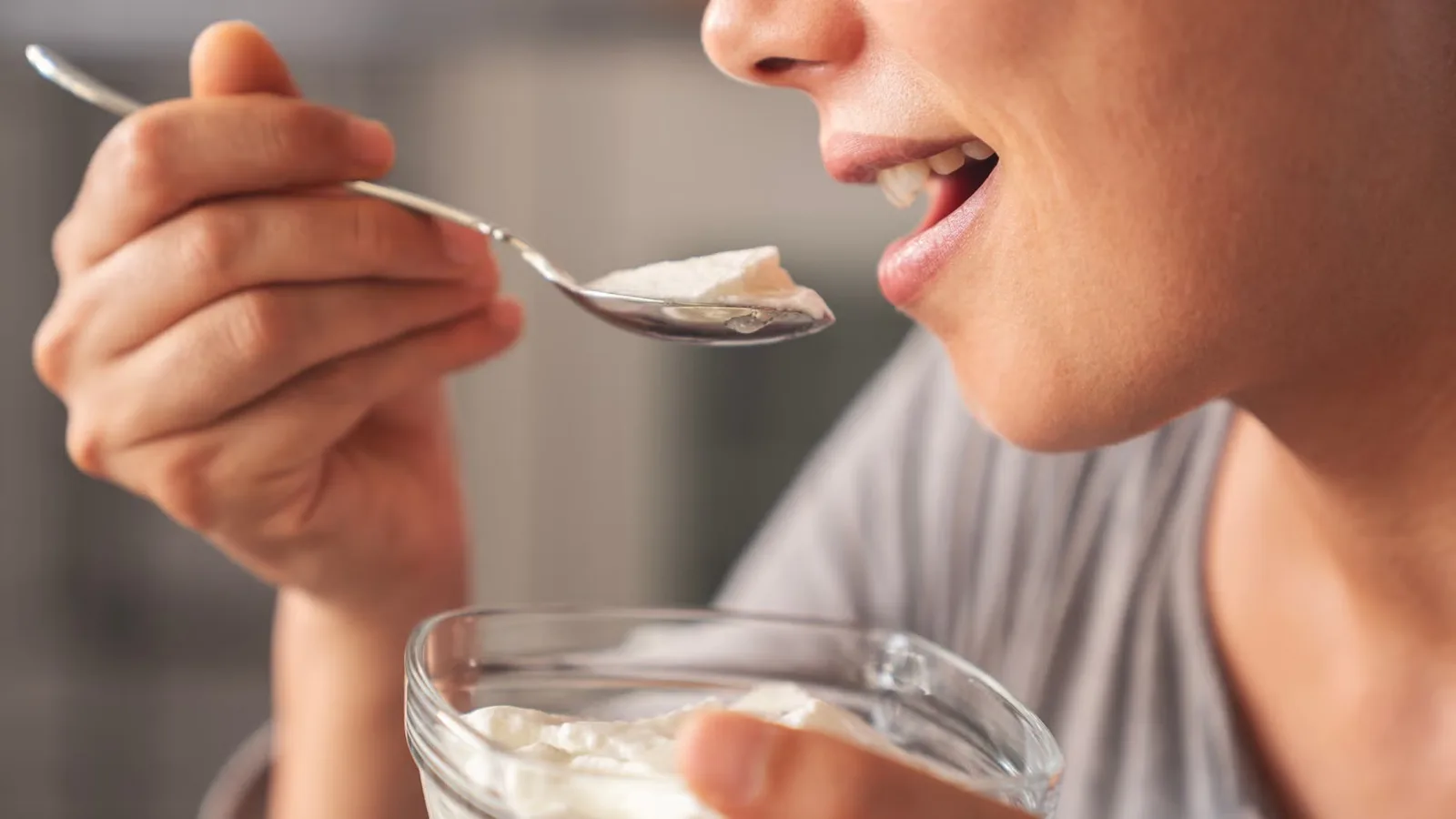
"Dairy is in a really good space for that because dairy protein is already perceived by consumers as being natural and as being very good quality. Also, dairy products, the vessels for getting the protein, are also very accessible, very tasty and very good quality," Dr. Deegan emphasized.
For patients on GLP-1 therapy, incorporating dairy can help maintain muscle mass during weight loss—a common concern as rapid fat reduction sometimes leads to lean tissue loss. Guidelines from endocrinologists recommend 1.2-2.0 grams of protein per kg of body weight daily for those managing obesity or diabetes, with dairy providing bioavailable sources like Greek yogurt, cottage cheese, and milk.
Practical advice for GLP-1 users: Discuss protein goals with your healthcare provider, aiming for high-quality sources in smaller, frequent servings to combat nausea—a frequent side effect. Tools like symptom trackers, such as Shotlee, can help monitor intake and side effects alongside medication schedules.
Navigating Sweetness and Flavor Challenges
Dr. Deegan also cautioned the industry about GLP-1's effects on consumer preferences. "It doesn't affect how you perceive sweetness because that's an interaction that happens between the sweet molecule and the taste receptors on your tongue. What it does do is it reduces the motivation that you're going to get from it as part of a wider appetite change," he explained. "That's going to have a very practical consequence for our industry as well. If you're in product development and you're thinking about the near future of dairy, sweetness is going to be very much on the table. With portion sizes, which are decreasing and the need for bigger portion sizes decreasing, there's going to be less desire for sweet."
Precision tracking for your journey
Join thousands using Shotlee to accurately track GLP-1 medications and side effects.
📱 Get the Shotlee App
Track your GLP-1 medications, peptides, and health metrics on the go with our mobile app!
Panelist Mike Bagshaw, owner and founder of International Taste Solutions, a UK-based flavor supplier, agreed on the need for innovation. "You still need flavours. You still need the products that taste good," Bagshaw said. "From our perspective, where we really come in on flavour is once you get into nutrient-dense vitamins, minerals. Those things can have a taste. Masking is getting more and more important because, with the little appetite that they have, GLP users go 'Oh, this isn't great.' And then the experimentation with flavours. You need exciting flavours."
This suggests dairy developers should prioritize savory, umami-enhanced profiles over sugary ones, enhancing palatability for GLP-1 users who may experience altered taste (dysgeusia) as a side effect.
Research on Long-Term Behavioral Changes
While opportunities abound, challenges persist. A US paper by Cornell University indicates that households ending GLP-1 intake "revert to their pre-adoption grocery spending and shift toward slightly less healthy grocery baskets compared to their original baseline." Researchers noted spending on confectionery and chocolates rose by 6.7% "relative to pre-adoption levels in the medium run."
Speaking to Just Food at the conference, Dr. Deegan addressed pill formats on the horizon: "It does seem that the behavioural change is not as sustainable as the physical and physiological changes. This is not the first time that we've had this issue. It was the same with Atkins." He likened GLP-1 to a "band aid maybe. It's a crutch that we're using to get the results without having to put the work in. Inputting the work into it would then require a behavioural change to happen."
Currently, most GLP-1 medications are injectables by prescription for diabetes or obesity, with low voluntary usage. Pill forms could boost aesthetic-driven adoption, but Dr. Deegan doubts sustainability: "I can't say if that is a sustainable change. Will it make it easier? Yes, definitely. Will it increase the aesthetic or voluntary usage? Very much so. Will it lead to sustainable behavioural changes in people? I don't think so. The food industry is not driving this. The pharmaceutical industry is driving it and we were reacting to it. I don't doubt the ability of the food industry or the dairy industry to - we usually have the solution."
Comparisons: Dairy Protein vs. Alternatives for GLP-1 Users
Dairy outperforms many plant-based proteins in bioavailability, though options like pea or soy protein isolates are viable for lactose-intolerant users. Compared to supplements, whole dairy foods provide additional micronutrients like calcium and vitamin D, crucial for bone health during weight loss. Safety note: GLP-1 users should watch for gastrointestinal side effects with high-fat dairy; opt for low-fat varieties initially.
Key Takeaways for Patients and the Food Industry
- GLP-1 users: Prioritize protein quality from dairy to optimize nutrition from smaller meals. Consult doctors on intake targets.
- Dairy sector: Capitalize on natural protein perception; innovate savory flavors and smaller portions.
- Long-term: Behavioral changes may wane post-treatment, per Cornell research, underscoring food industry's adaptive role.
In summary, GLP-1 drugs are reshaping protein priorities, placing dairy in a "really good space." Patients can leverage this for better health outcomes, while the industry innovates responsively. Track your progress with apps like Shotlee for personalized insights into protein and GLP-1 effects.
What This Means for Patients on GLP-1 Therapy
Discuss dairy integration with your provider, especially if managing diabetes or obesity. High-quality proteins support satiety and muscle preservation, countering common GLP-1 side effects like fatigue from nutrient gaps.