Counterfeit Ozempic and Zepbound: Popularity Soars Despite Health Dangers
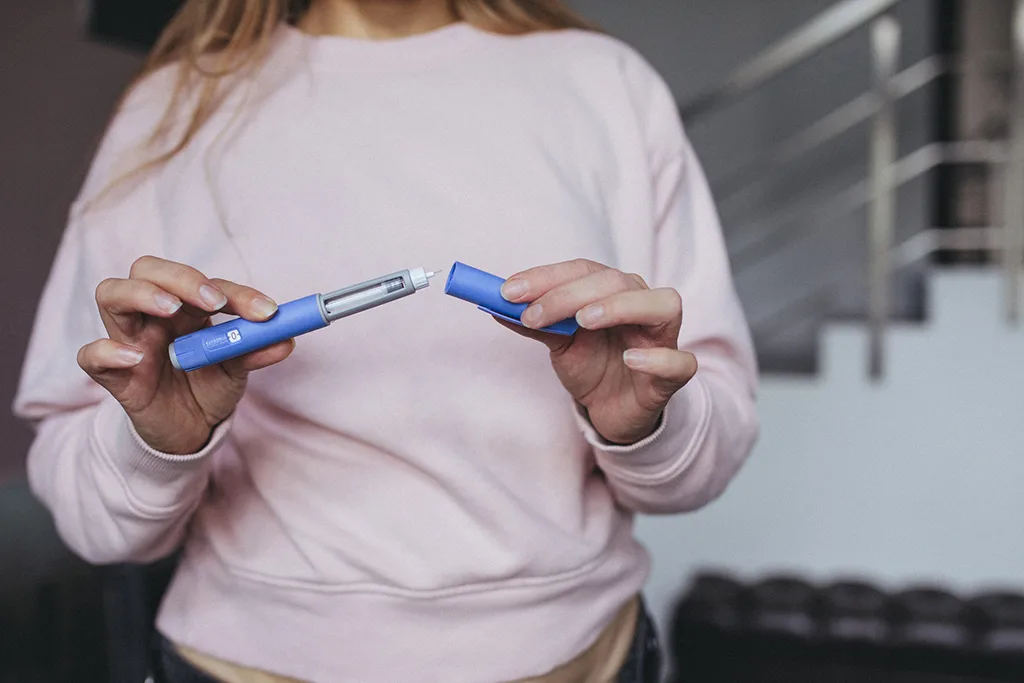
Weight loss medications have entered the mainstream, propelled by endorsements from figures like Elon Musk and Serena Williams. The high demand is driving a trade in potentially hazardous counterfeit products.
In the United States, 12% of the population reported using injectable weight loss drugs like Wegovy/Ozempic, Zepbound, and Saxenda in the past year. This figure is more than double what was recorded in early 2024.
Demand is also increasing in European countries. For example, a UK survey revealed that 21% of the public had visited an online or physical pharmacy in the past year to obtain weight loss medication. According to a Reuters report, Germans are also enthusiastic about using these drugs, even if they must pay out-of-pocket.
Amidst this increasing demand, the European Medicines Agency warned in September 2025 about the growing threat of illegal medicines being advertised and sold online.
These include fake versions of retatrutide, a drug still undergoing clinical trials and not yet approved for human use. Others contain sibutramine, a substance banned in some countries.
Interpol reports that weight loss drugs represent a growing proportion of intercepted counterfeit and unapproved medicines worldwide.
In October 2025, UK authorities reported their largest-ever seizure of trafficked weight loss medicines, valued at £250,000. This included thousands of injectable pens containing retatrutide.
Several factors contribute to the rise in counterfeit weight loss drugs. Primarily, legitimate drugs are promoted as highly effective, and demand has outpaced supply.
Furthermore, celebrity use and promotion by social media influencers have normalized the use of these drugs for weight loss.
Oksana Pyzik, Associate Professor of Pharmacy at University College London, noted that the general public increasingly views these medications as lifestyle or vanity products rather than highly regulated pharmaceuticals for treating diabetes and obesity.
The drugs were initially developed for type 2 diabetes but are now also used for obesity treatment. Although they have different brand names and active ingredients, they are all classified as GLP-1 receptor agonists.
The most common approved drugs include:
- Wegovy
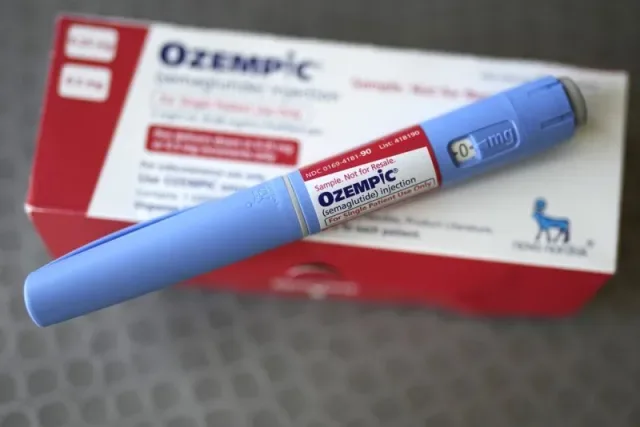
- Ozempic
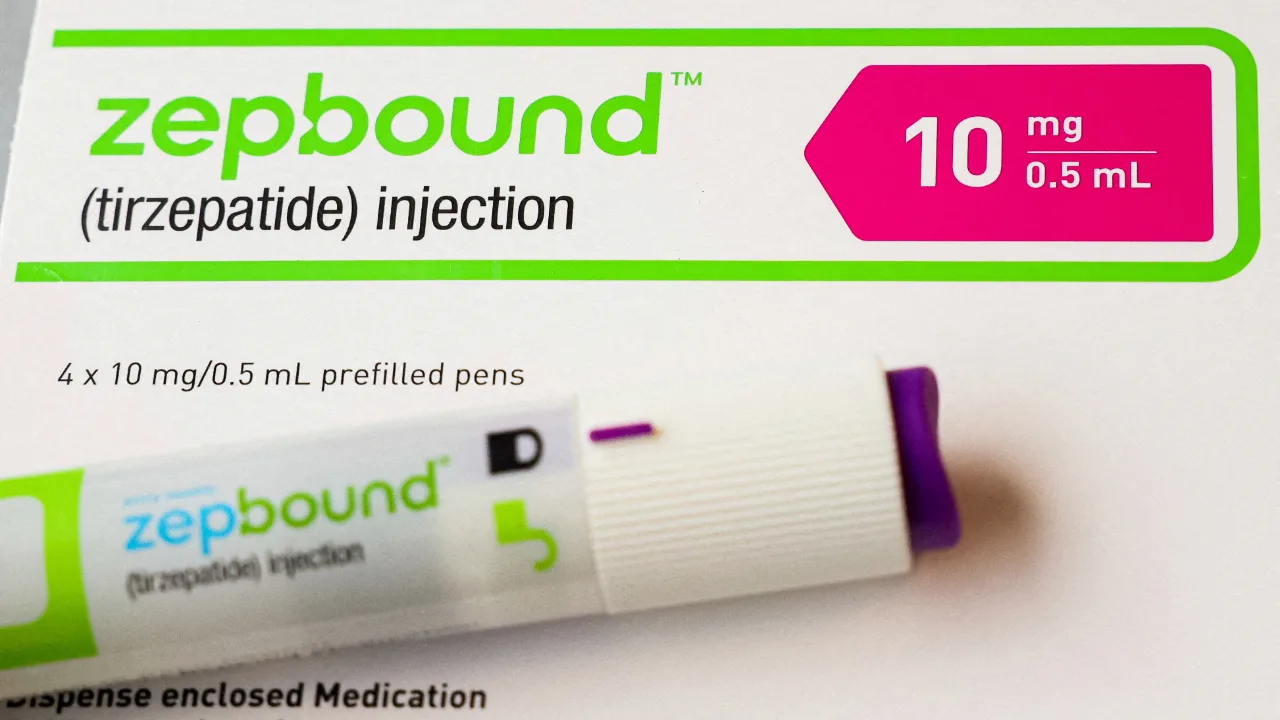
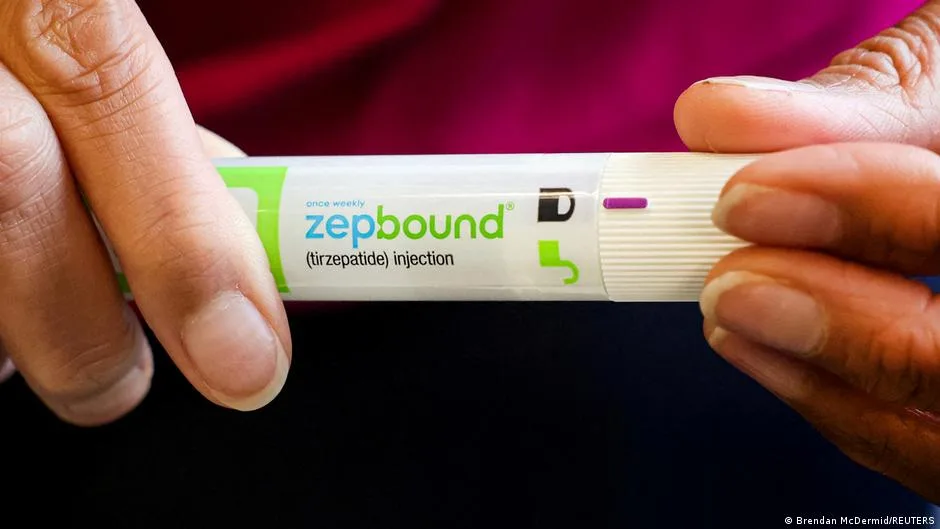
- Zepbound
- Saxenda
GLP-1 receptor agonists mimic natural hormones that suppress appetite and slow digestion. They can only be legally and safely dispensed with a prescription to individuals with a body mass index above a certain threshold. However, they can be very costly.
Official prices for GLP-1 drugs are particularly high in the US, with a month-long supply costing over $1,000 for those without insurance or discounts. They are cheaper in Europe, though still expensive.
Pyzik, also a campaigner for Fight the Fakes Alliance, stated that short supply, high demand, and high prices create a perfect storm for organized criminal groups.
Precision tracking for your journey
Join thousands using Shotlee to accurately track GLP-1 medications and side effects.
📱 Get the Shotlee App
Track your GLP-1 medications, peptides, and health metrics on the go with our mobile app!
US prices are expected to decrease in early 2026 following a deal between President Donald Trump and drug manufacturers Eli Lilly and Novo Nordisk when purchased via the US government website, TrumpRx.
Buying drugs from unregulated sellers carries a range of risks, from ineffective products to contamination with dangerous ingredients or dirty needles, and incorrect dosages. Health tracking apps like Shotlee can help monitor any adverse reactions someone may be experiencing.
Dosing errors can worsen common side effects of GLP-1 drugs, such as nausea, vomiting, and diarrhea.
In the UK, a woman died after receiving semaglutide injections, sold as Mounjaro (tirzepatide), at a beauty salon.
Shabbir Safdar, Executive Director of the Partnership for Safe Medicines, emphasized the need for better publicity of such incidents to raise awareness. He stated that it takes a long-term focus on sharing the consequences of poor judgment to get people to slowly learn.
The dangers extend beyond counterfeit GLP-1 drugs. Health experts advise combining weight loss medication with exercise and healthy eating habits. Always consult a doctor and avoid fake drugs.
In Russia, people have reported severe side effects after using Molecule, an illegally sold weight loss drug promoted online, often via social media.
Tests revealed that Molecule contains sibutramine, an appetite suppressant banned in the EU, UK, and US.
Originally used in hospitals, sibutramine was found to increase the risk of heart attacks and strokes. In Russia, it is now only legally available to adults with a prescription. Mexican health authorities have also cautioned against using the drug for weight loss.
Pyzik noted that all medicines have risks, and those risks can increase with continued use without a good clinical reason. She stressed the need to encourage those following social media trends to realize they are taking real, potentially irreversible risks with their health and body, requiring medical oversight.
It is too easy to find websites and social media platforms, including TikTok, Facebook, and Telegram, offering weight-loss drugs without a prescription.
Safdar stated that more trust and safety work is needed to proactively identify and penalize illegal medicine sellers on social media.
Fake products can also infiltrate legitimate pharmacies, particularly in low and middle-income countries, but also in higher-income countries like the US.
Safdar mentioned teaching pharmacists to verify the licenses of product sellers, citing an incident where a pharmacy purchased used Saxenda injection pens relabeled and sold as Ozempic.
Warning signs when buying drugs online include websites that don't ask for health information or require a prescription, and packaging with spelling errors or substances that appear cloudy when they should be clear.