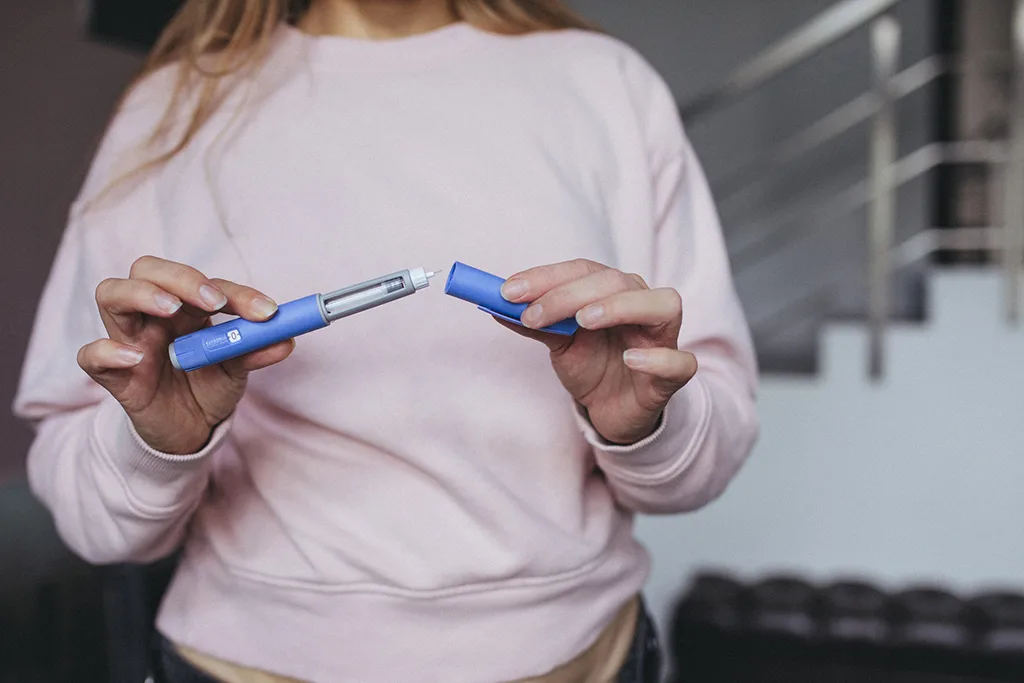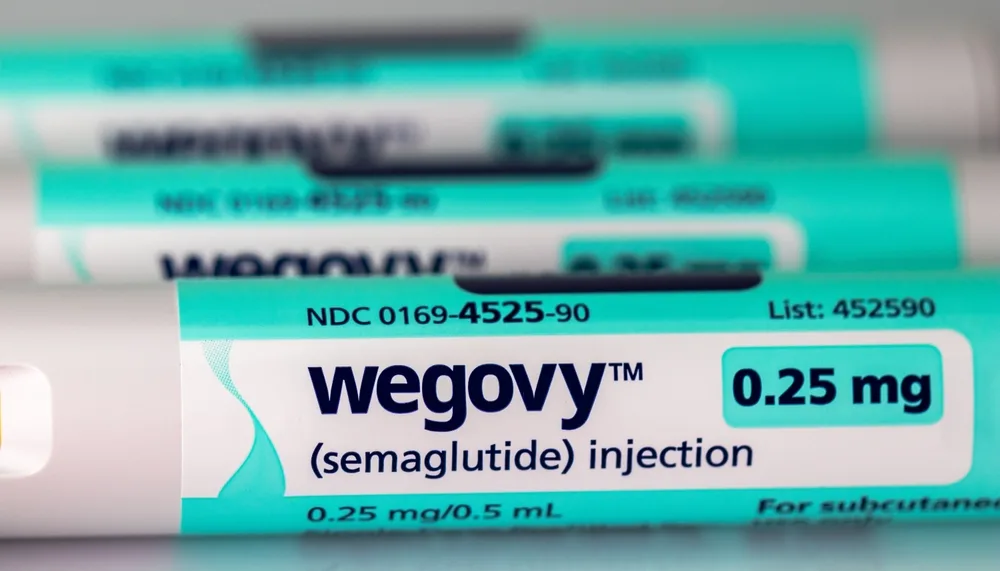

In the world of Hollywood, where body image has long been under scrutiny, celebrities are turning to GLP-1 medications like Ozempic, Mounjaro, and Wegovy for significant weight loss. These drugs, part of the booming GLP-1 craze, promise improved health and a leaner appearance. However, rapid weight reduction can lead to a noticeable side effect known as Ozempic neck, where the neck develops laxity or sagging skin because weight is lost faster than the skin can adjust.
This phenomenon has affected numerous high-profile figures, with reports highlighting 12 celebs whose necks look noticeably different due to their quick transformations. As these medications gain traction beyond entertainment circles, understanding Ozempic neck becomes crucial for anyone on GLP-1 therapy aiming for sustainable metabolic health.
What is Ozempic Neck?
Ozempic neck refers to the neck laxity that occurs when individuals experience sudden and significant weight loss, outpacing the skin's ability to retract. This results in loose or sagging skin in the neck area, often giving a gaunt or aged appearance. The term gained popularity alongside the rise of semaglutide-based drugs like Ozempic (used primarily for type 2 diabetes but widely adopted off-label for weight loss) and Wegovy (approved for obesity), as well as tirzepatide in Mounjaro.
Clinically, this side effect stems from the rapid depletion of subcutaneous fat in the face and neck regions. Skin elasticity relies on collagen and elastin fibers, which degrade over time or with accelerated fat loss. For celebrities under pressure to maintain red-carpet ready looks, this visible change can be particularly challenging.
Why Does Rapid Weight Loss Cause Skin Laxity?
Skin is the body's largest organ, designed to stretch and contract. During gradual weight loss, fibroblasts produce new collagen to help skin adapt. But with GLP-1 agonists promoting 15-20% body weight reduction in months, the process overwhelms natural repair mechanisms. Factors like age, sun exposure, genetics, and prior yo-yo dieting exacerbate the issue, making Ozempic neck more common in those over 40.
The Hollywood Shift: From Beauty Standards to GLP-1 Drugs
For decades, Hollywood faced backlash for promoting impossible beauty ideals that clashed with body positivity movements. Whether the industry has fully embraced broader attractiveness standards remains debated. What’s undeniable is the evolution of tools available to public figures reshaping their bodies—whether for health or image.
GLP-1 medications have transformed this landscape. Originally developed for glycemic control in diabetes, drugs like Ozempic (semaglutide) and Mounjaro (tirzepatide) mimic gut hormones to suppress appetite, slow gastric emptying, and enhance insulin sensitivity. This leads to profound weight loss, bleeding into everyday life via the GLP-1 craze. Celebrities, often first adopters, showcase results but also side effects like Ozempic neck, spotlighting the trade-offs of rapid change.
How GLP-1 Medications Like Ozempic Work
GLP-1 receptor agonists bind to receptors in the pancreas, brain, and gut, triggering multiple effects:
Precision tracking for your journey
Join thousands using Shotlee to accurately track GLP-1 medications and side effects.
📱 Get the Shotlee App
Track your GLP-1 medications, peptides, and health metrics on the go with our mobile app!
- Appetite suppression: Signals fullness to the hypothalamus.
- Delayed gastric emptying: Prolongs satiety after meals.
- Improved insulin secretion: Lowers blood sugar without hypoglycemia risk.
- Cardiovascular benefits: Reduced inflammation and better lipid profiles.
Weekly injections make adherence easier than traditional diets. Clinical trials like STEP for Wegovy showed average 15% weight loss at 68 weeks, far surpassing lifestyle interventions alone. However, this speed contributes to aesthetic side effects like facial and neck sagging, dubbed 'Ozempic face' or neck.
Ozempic vs. Mounjaro vs. Wegovy: Key Differences
| Drug | Active Ingredient | Primary Use | Weight Loss Potential |
|---|---|---|---|
| Ozempic | Semaglutide | Diabetes | 10-15% |
| Wegovy | Semaglutide (higher dose) | Obesity | 15-20% |
| Mounjaro | Tirzepatide (GLP-1 + GIP) | Diabetes | 20-25% |
Tirzepatide in Mounjaro may accelerate loss further due to dual hormone action, potentially heightening skin laxity risks.
Preventing and Managing Ozempic Neck
While Ozempic neck isn't inevitable, proactive steps can minimize it. Consult your healthcare provider before starting GLP-1 therapy to assess skin health risks.
Practical Strategies
- Gradual dosing: Start low (e.g., 0.25mg Ozempic) to allow slower loss.
- Strength training: Build muscle to fill space under skin; focus on neck exercises like chin tucks.
- Nutrition: Prioritize protein (1.6g/kg body weight), vitamin C, and hyaluronic acid for collagen synthesis.
- Hydration and skincare: Moisturize with retinoids or peptides; consider red light therapy.
- Supplements: Collagen peptides may support elasticity, though evidence is emerging.
For severe cases, dermatological options include radiofrequency microneedling, ultrasound therapy (Ultherapy), or fillers. Track changes with apps like Shotlee to log symptoms, photos, and side effects for doctor discussions.
Safety Profile and Other GLP-1 Side Effects
GLP-1 drugs are generally safe, with GI issues (nausea, diarrhea) most common initially. Serious risks include pancreatitis or thyroid tumors (rare). Skin changes like Ozempic neck are cosmetic but underscore the need for holistic care. Compared to bariatric surgery, GLP-1s offer reversibility but require ongoing use to maintain loss.
Always pair with lifestyle changes for metabolic health benefits like reduced diabetes risk.
Key Takeaways: What This Means for Patients and Celebs
- Ozempic neck arises from rapid fat loss outpacing skin adjustment on GLP-1 drugs.
- Celebrities exemplify the visible downsides amid Hollywood's GLP-1 adoption, with 12 notable cases reported.
- Prevent through slow titration, muscle-building, and skincare; monitor with tools like Shotlee.
- Discuss with providers: Ideal for obesity/diabetes, but weigh aesthetic risks.
- Focus on health over speed for lasting results.
Conclusion
The GLP-1 revolution offers powerful tools for weight management, but side effects like Ozempic neck remind us of the body's need for time. For celebs and patients alike, balancing rapid results with skin health strategies ensures comprehensive metabolic success. Speak to your doctor about personalized plans, and explore related topics like GLP-1 cardiovascular benefits or peptide therapy options.