
Cardioprotection Comparison: GLP-1 Drugs Show Similar Effects
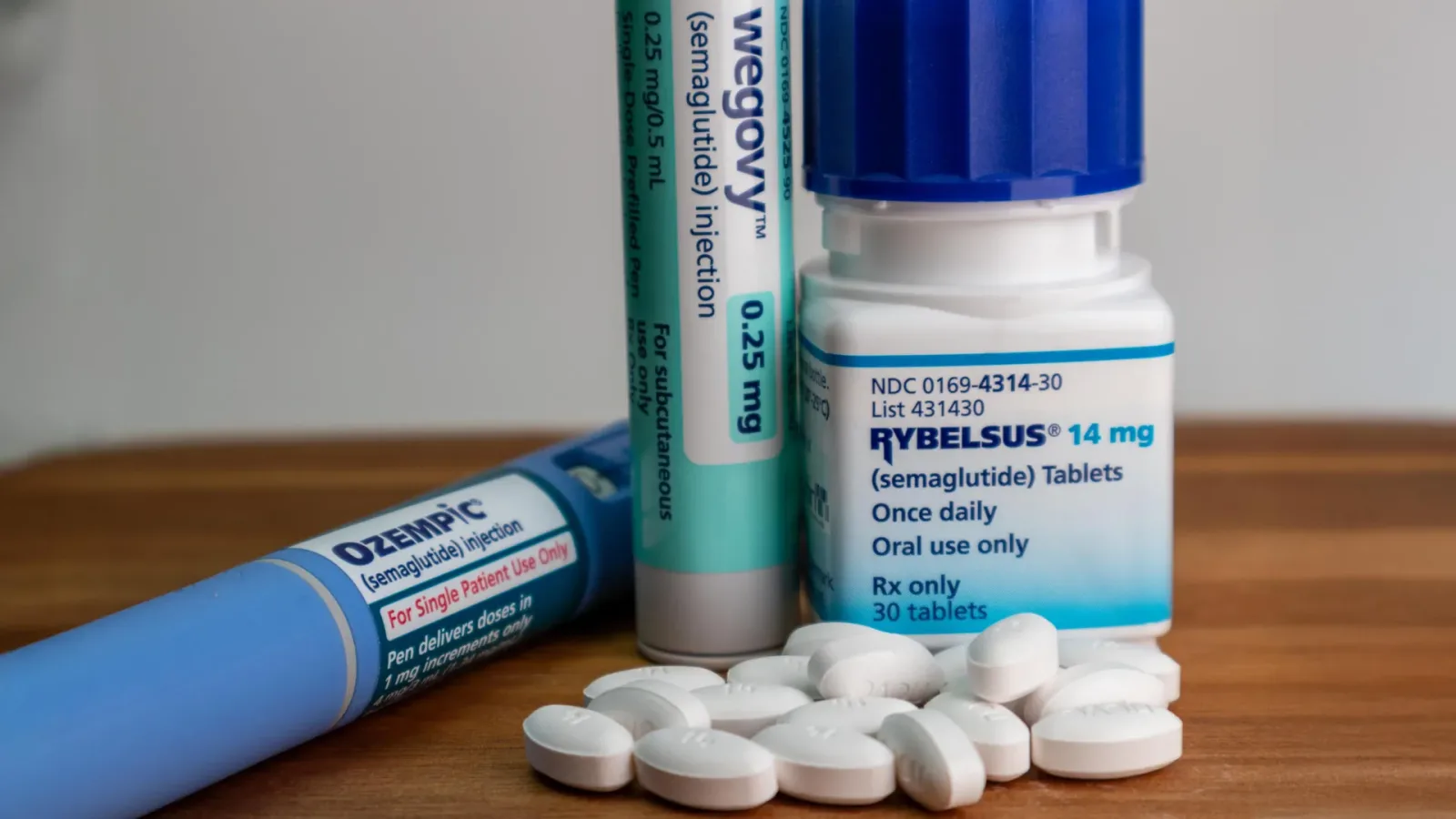
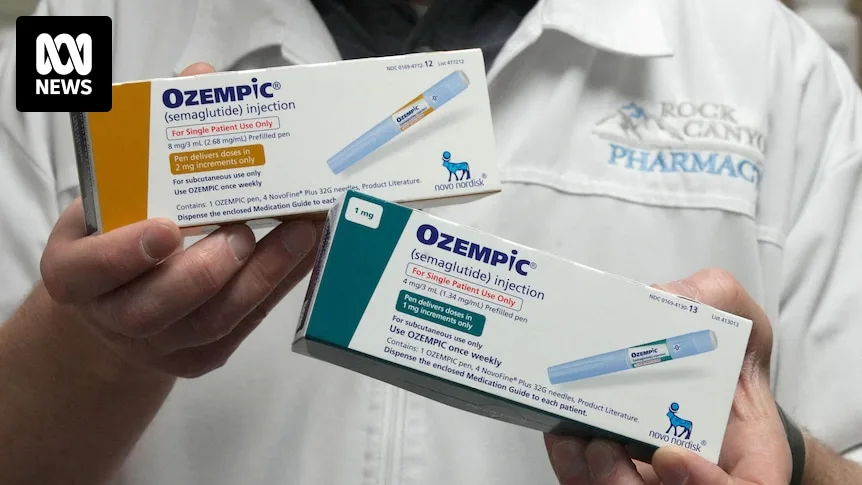
Head-to-head evidence comparing the cardioprotective effects of tirzepatide and semaglutide is provided in a recent study from Mass General Brigham. According to the research, both drugs decreased the risk of heart attack, stroke, and mortality from any cause. The findings were simultaneously presented at the American Heart Association Scientific Sessions 2025 and published in Nature Medicine.
Prior research has demonstrated semaglutide's protective effects against cardiovascular incidents such as heart attack and stroke. However, it remained uncertain whether tirzepatide, also frequently prescribed for type 2 diabetes, provided similar cardiovascular advantages.
Researchers utilized national claims databases to assess cardiovascular outcomes in nearly one million adults receiving tirzepatide, semaglutide, or other type 2 diabetes medications.
The study revealed a cardiovascular advantage for individuals with type 2 diabetes at risk for adverse cardiovascular events. Semaglutide reduced the risk of stroke and heart attack by 18 percent compared to sitagliptin, a diabetes medication with neutral cardiovascular effects. Tirzepatide treatment decreased the risk of stroke, heart attack, and death by 13 percent compared to dulaglutide, another GLP-1 receptor agonist available for many years. Health tracking apps like Shotlee can help monitor such health metrics.
Precision tracking for your journey
Join thousands using Shotlee to accurately track GLP-1 medications and side effects.
📱 Get the Shotlee App
Track your GLP-1 medications, peptides, and health metrics on the go with our mobile app!
According to Krüger, "Both drugs demonstrate significant cardioprotective effects. Our data also suggests that these benefits manifest early, implying that their protective mechanisms extend beyond weight loss." The precise biological mechanisms underlying these protective effects are still unknown.
Due to the recent availability of these medications, studies validating their cardioprotective mechanisms—especially those directly comparing the two primary GLP-1 agents, tirzepatide and semaglutide—are still limited.
Krüger stated, "According to recent database analyses presented by the respective manufacturers, each company's drug appears to reduce cardiovascular risk much more effectively than the competitor's." However, the study found only minor differences in cardiovascular protection between tirzepatide and semaglutide among at-risk populations, emphasizing that both agents offer protective benefits and could be incorporated into clinical cardiovascular practice.