
Can Ozempic Trigger Bone Weakness During Weight Loss?
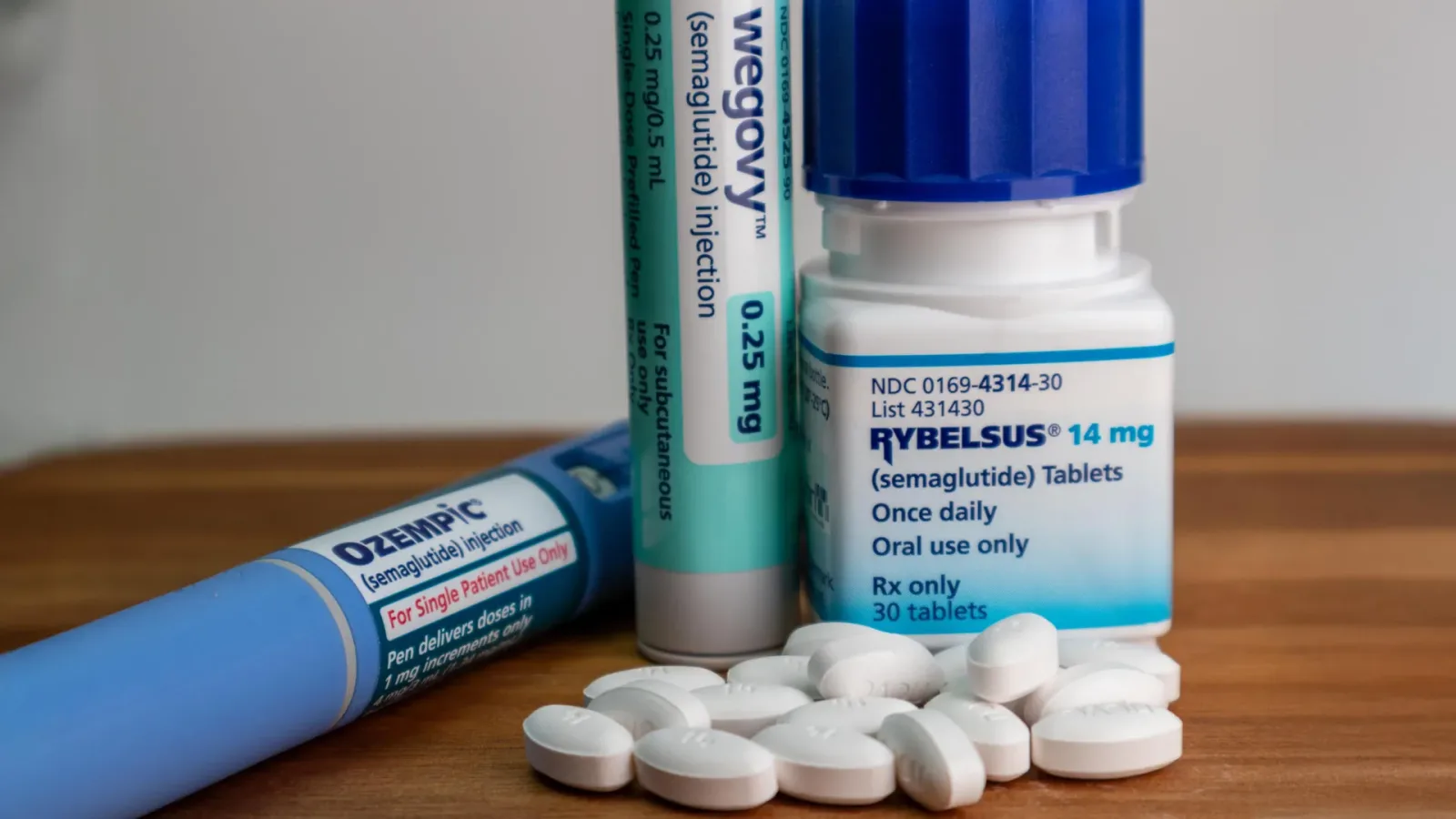
Ozempic® (semaglutide) is administered via a once-weekly injection to assist individuals with type 2 diabetes in regulating their blood sugar. It is also effective for those with excess weight and obesity seeking to lose weight. Concerns regarding the medication's potential adverse effects on bone health have surfaced.
Does Ozempic® lead to bone loss? Current evidence does not establish a direct correlation between Ozempic® and bone loss or osteoporosis. However, substantial weight reduction, a common outcome of Ozempic® treatment, might contribute to decreased bone density.
The following sections will examine the existing knowledge about Ozempic® and bone loss, along with strategies for safeguarding bone health while using this medication.
Does Ozempic® Cause Bone Loss? If So, How?
Further investigation is necessary to ascertain whether Ozempic® can induce bone loss. Certain studies suggest a connection between Ozempic® and reduced bone density (osteopenia). Nevertheless, this could be attributed to the weight loss facilitated by Ozempic® rather than the drug itself.
Research on Ozempic® Bone Density Loss
A 2024 study, involving individuals at a heightened risk of bone fractures, particularly post-menopausal women, divided participants into two groups: one receiving a 0.5 mg dose of Ozempic®, and the other a placebo, for a duration of one year.
The study's conclusion indicated no significant disparities in bone formation between the Ozempic® and placebo groups.
Conversely, the Ozempic® group exhibited lower bone mineral density in the lower spine and hip regions, potentially indicating bone weakening. Additionally, an indicator of bone resorption, a natural process of bone breakdown, was elevated in the Ozempic® group.
Researchers posited that these findings might stem from weight loss rather than a direct effect of Ozempic®.
However, research findings present a mixed picture. A systematic review analyzing glucagon-like peptide-1 receptor agonists (GLP-1s), the drug class to which Ozempic® belongs, determined that GLP-1 medications did not impact bone mineral density and were not associated with a higher risk of fractures.
Ozempic® and Osteoporosis
Research has not established a connection between Ozempic® and osteoporosis, a condition characterized by fragile and brittle bones.
A clinical trial focusing on Wegovy®, which contains a higher semaglutide dosage, identified an increased fracture risk in women and older individuals. However, fractures remained infrequent, reported in 1% of women and 2.4% of individuals over 75 using the medication.
How Weight Loss Affects Your Bones
Any bone alterations observed during Ozempic® treatment may be linked to weight loss.
Substantial weight reduction diminishes mechanical loading, the stress exerted on bones that contributes to their strength.
Moreover, weight loss may lead to decreased nutrient intake, including insufficient protein, calcium, or vitamin D, all vital for maintaining healthy bones. Hormonal fluctuations can also influence bone density.
Lastly, muscle mass loss can accompany fat mass reduction, and bone mineral density is correlated with muscle mass.
How to Protect Your Bones While You're Losing Weight With Ozempic®
To safeguard your bones during weight loss with Ozempic®, prioritize a nutrient-rich diet containing adequate calcium, vitamin D, and protein. Incorporating strength training and promoting gradual weight loss can also be beneficial. Health tracking apps like Shotlee can help monitor your diet and exercise routine.
Let's delve into these recommendations in greater detail.
1. Get Enough Calcium, Vitamin D, and Protein
While pursuing weight loss, ensure sufficient nutrient intake to support bone health, particularly calcium, vitamin D, and protein.
Calcium sources include:
- Low-fat milk, yogurt, and cheese
- Fortified soy products
- Salmon
- Spinach
- Kale
- Fortified milk alternatives
Vitamin D sources include:
Precision tracking for your journey
Join thousands using Shotlee to accurately track GLP-1 medications and side effects.
📱 Get the Shotlee App
Track your GLP-1 medications, peptides, and health metrics on the go with our mobile app!
- Salmon
- Low-fat milk
- Low-fat yogurt
- Mushrooms
- Fortified milk alternatives
The body can also synthesize vitamin D from sunlight, but supplementation may be necessary during winter if dietary intake is insufficient.
Consult a healthcare professional to determine the need for calcium or vitamin D supplements, especially for individuals susceptible to bone loss, such as women during and after menopause.
Protein is crucial for maintaining and building muscle, which aids in preserving bone density and muscle strength.
High-protein foods include:
- Chicken
- Turkey
- Fish
- Eggs
- Tofu
- Lean beef
- Greek yoghurt
2. Strength-Train
Research on Saxenda®, a GLP-1 drug similar to Ozempic®, indicated that combining Saxenda® with exercise maintained bone density during weight loss, while Saxenda® alone led to reduced bone density.
Weight-bearing exercises like walking and jogging are helpful; however, strength training offers particular advantages for preserving bone mass.
Strength training can both prevent bone density loss during weight loss and enhance bone density. This encompasses heavy resistance training and jump training that stresses the bones.
Strength training also mitigates muscle loss and promotes lean mass development, which can contribute to bone density preservation.
Aim for at least two strength-training sessions per week, incorporating:
- Bodyweight exercises, such as squats, lunges, crunches, and push-ups
- Dumbbells, kettlebells, and resistance bands
- Weight lifting
- Resistance machines in the gym
- Jump-training exercises, such as squat jumps, burpees, and box jumps
3. Lose Weight Gradually
Rapid weight loss is associated with bone density reduction, while slower weight loss is less likely to impact bones.
The Centers for Disease Control and Prevention (CDC) advises a weight loss rate of approximately 1 to 2 pounds per week.
Gradual weight loss enables the body to adapt, preserves muscle mass, and supports long-term weight management.
Does Ozempic® Cause Bone Loss? Final Verdict
Ozempic® and similar weight loss medications offer numerous health benefits, but potential adverse effects on bones remain a concern. Further research is warranted to fully understand the potential of bone density loss as an Ozempic® side effect.
Key considerations:
- Ozempic® may contribute to some bone loss, although it remains unclear whether this is due to the medication itself or the resulting significant weight loss.
- Ozempic® has not been linked to osteoporosis or fracture risk, but continued research is necessary.
- Protect bones during weight loss by consuming adequate calcium, vitamin D, and protein, and by engaging in regular strength training.
- A gradual, steady approach to weight loss is generally recommended to help prevent bone loss.
FAQs
Answers to frequently asked questions about Ozempic® bone density concerns are provided below.
Is Ozempic® hard on bones?
Additional research is needed to determine if Ozempic® is detrimental to bones. While some studies suggest potential bone density loss with Ozempic® use, this may be attributable to weight loss rather than the medication itself.
Does Ozempic® cause osteoporosis?
The potential of Ozempic® to cause osteoporosis remains unclear and requires further investigation. Some studies indicate reduced bone density following Ozempic® treatment, but this could be a consequence of weight loss rather than the drug itself.
How to prevent osteoporosis when taking Ozempic®?
To prevent osteoporosis and maintain bone health while taking Ozempic®, ensure sufficient intake of calcium, vitamin D, and protein. Regular strength-training exercises can also provide support.
Should I take calcium with Ozempic®?
Calcium supplementation may be beneficial when taking Ozempic®, particularly for individuals at risk of bone loss. Calcium supplementation may help reduce bone density loss as you lose weight. Consult a healthcare provider to ascertain whether calcium supplementation is appropriate during Ozempic® treatment.