Introduction to GLP-1 Medications and Their Broader Influence
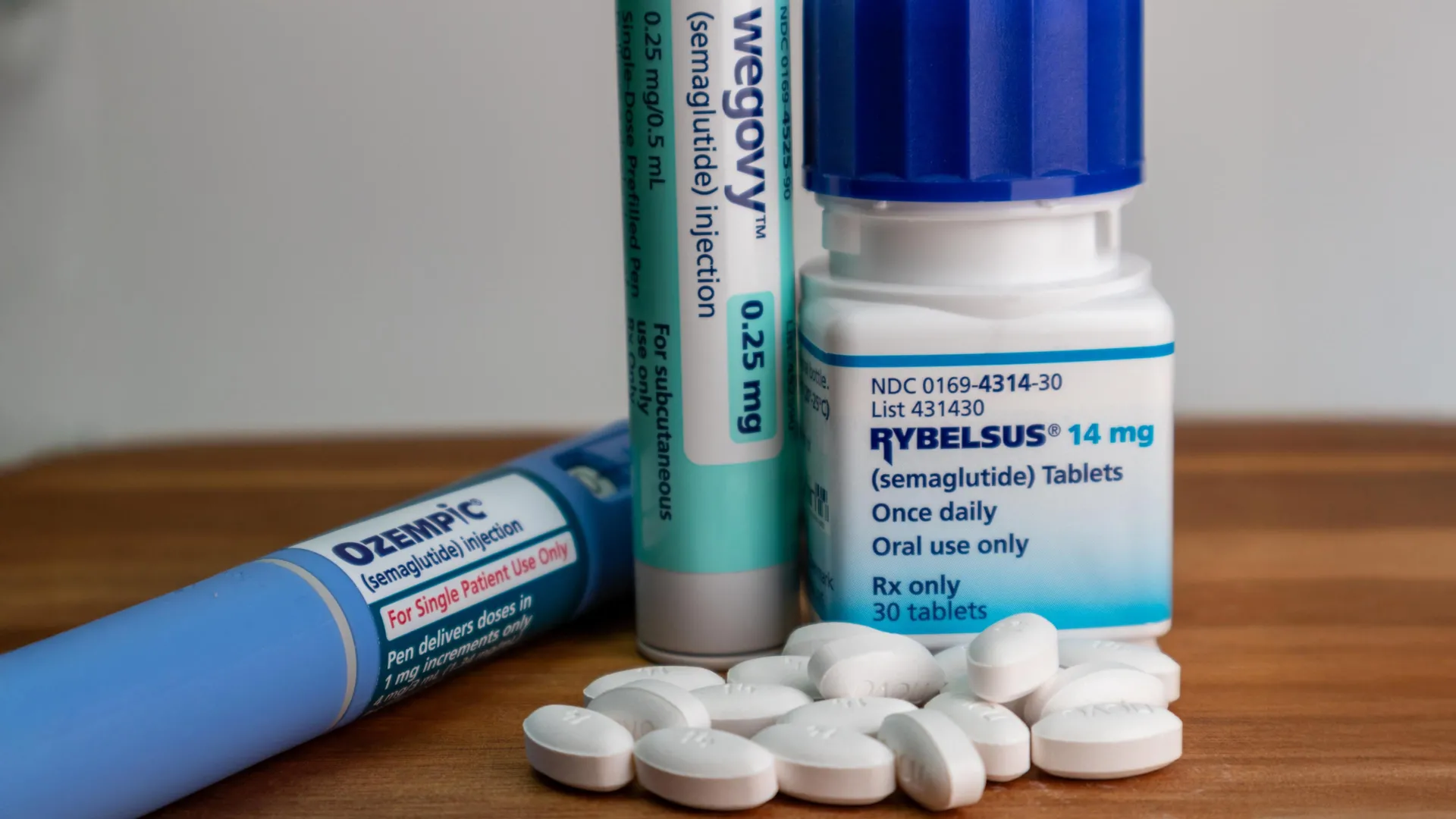
Glucagon-like peptide-1 receptor agonists, often referred to as GLP-1 drugs, have gained immense popularity in public discussions, primarily due to their effects on reducing body weight.
However, these pharmaceuticals are also profoundly altering social standards and habits in unexpected manners.
"These medications represent an excellent advancement in medicine, yet they carry intricate—and occasionally detrimental—societal and mental health consequences," remarked Alexandra Brewis, Regents and President's Professor at Arizona State University's School of Human Evolution and Social Change, who leads an international study exploring their human aspects.
Insights from Recent Research
A fresh analysis featured in PLOS Global Public Health outlines the discoveries from this ongoing investigation into the widespread consequences of the swift adoption of GLP-1 weight-loss treatments.
Collaborating with sociologists directing studies in Brazil, Denmark, Japan, the United States, and digital forums, Brewis and her team pinpointed nine developing worldwide patterns.
These patterns demonstrate how these treatments have evolved from mere biomedical breakthroughs into a 'social innovation' that modifies physical forms, personal identities, and healthcare frameworks, as stated by the researchers.
For instance, in just the past six months, there's been a notable pivot toward marketing them as beauty aids for slimming down for occasions like weddings or beach vacations, or even for muscle enhancement. This trend is fueled by new telehealth firms exploiting deep-seated cultural, mental, and societal concerns about weight, rather than focusing on health requirements," explained Brewis.
Nine Key Trends in Social Implications
The societal ramifications of GLP-1 drug usage surpass mere cosmetic applications. The identified nine trends include: