
Are Replicas of Ozempic and Wegovy Safe? Understanding Compounded GLP-1s
Compounding pharmacies offer customized medications tailored to individual needs, addressing ingredient allergies or other specific requirements. They also play a crucial role during drug shortages, providing alternative sources for essential medications.
Previously, both Ozempic and Wegovy, which are semaglutide injections, faced supply shortages. This situation prompted some compounding pharmacies to step in and meet the demand. By creating semaglutide injections from scratch, they aimed to ensure continuous treatment for patients until the shortage was resolved.
The FDA may permit pharmacies to produce medications during shortages under specific conditions. However, in February 2025, the FDA announced the resolution of the semaglutide shortage. Despite this, compounded semaglutide products might persist as an alternative. While it may seem appealing, it's essential to evaluate the associated risks. GoodRx, a platform dedicated to medication savings, emphasizes crucial information regarding compounded semaglutide.
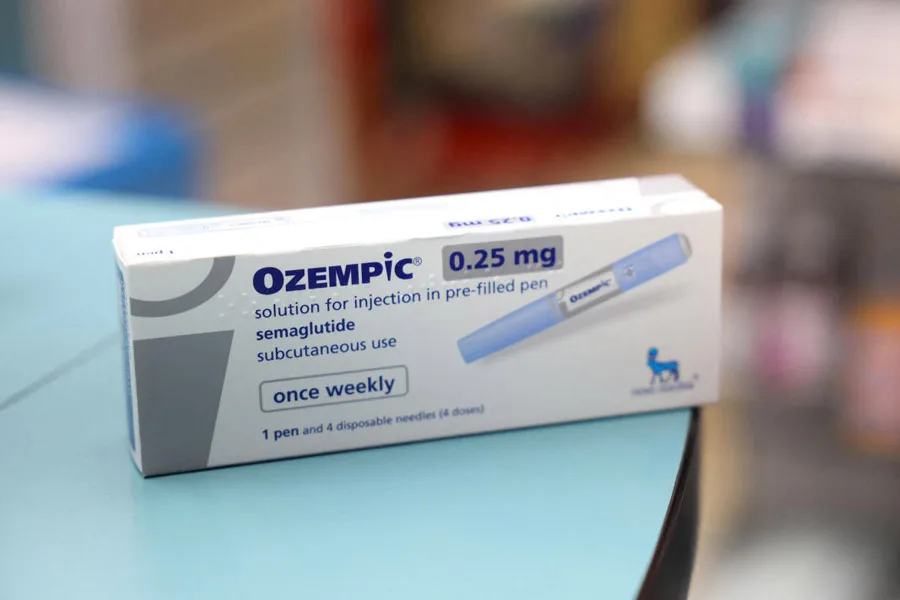
Compounded semaglutide is a customized medication created by a compounding pharmacy. It includes semaglutide, the active ingredient functioning as a glucagon-like peptide-1 (GLP-1) receptor agonist. Semaglutide is a component of three FDA-approved medications: Ozempic, Wegovy, and Rybelsus.
Compounded Semaglutide vs. FDA-Approved Medications
Does compounded semaglutide equate to Ozempic, Wegovy, or Rybelsus? The answer is no. These compounded products are not interchangeable with “generic Ozempic” or “generic Wegovy.” Generic drugs gain FDA approval by demonstrating bioequivalence to their brand-name counterparts. Currently, there are no FDA-approved generics for these medications.
Compounded semaglutide may be available in various forms, including:
- Injections
- Sublingual drops (administered under the tongue)
- Orally disintegrating tablets (ODTs)
- Oral capsules or tablets
- Nasal sprays
It's important to note that compounded semaglutide medications lack FDA approval. Consequently, their safety and effectiveness remain unconfirmed. This means that achieving the same results as with FDA-approved products isn't guaranteed.
Key Considerations
Compounds represent custom-made medications accessible through specialized pharmacies. They are typically prescribed when an FDA-approved medication, dosage, or formulation is either unavailable or unsuitable for a patient.
While FDA-approved semaglutide injections like Ozempic and Wegovy were scarce, pharmacies began compounding semaglutide injections. This practice has persisted despite the shortage's resolution. Moreover, unregulated semaglutide products are being sold without requiring a prescription.
Furthermore, compounded semaglutide in forms like sublingual drops, orally disintegrating tablets, and nasal sprays are being advertised. However, clinical studies that demonstrate the safety or effectiveness of semaglutide in these forms are lacking.
Why is Semaglutide Being Compounded?
During the Ozempic and Wegovy shortage, some pharmacies compounded semaglutide injections to ensure continued access to treatment. However, as of February 2025, the FDA has declared that the shortage has ended. It's worth noting that oral semaglutide, known as Rybelsus, remained available and was unaffected by the shortages. Furthermore, health tracking apps like Shotlee can help monitor medication adherence and potential side effects.
Cost is not a valid justification for creating compounded versions of semaglutide medications when an FDA-approved option exists. Furthermore, making minor adjustments solely to circumvent FDA regulations is also prohibited. If compounded semaglutide has been part of your treatment, transitioning to Ozempic or Wegovy may be required to continue.
Distinguishing Compounded Semaglutide from Ozempic and Wegovy
What are the fundamental differences between compounded semaglutide and Ozempic, Wegovy, and Rybelsus? Key differences lie in their testing and approval processes, ingredients, and dosage forms.
Testing and Approval
Ozempic, Wegovy, and Rybelsus, produced by Novo Nordisk, are all FDA-approved medications. These drugs have undergone extensive testing and review to ensure their safety and effectiveness for their intended uses. The FDA also assesses the manufacturing locations and processes during the approval phase.
Compounded semaglutide medications are produced by specialized pharmacies that source and combine ingredients to create a final product. As custom-made medications, they do not undergo the same rigorous testing and approval processes. Consequently, they lack the same level of evidence supporting their safety and efficacy as commercially available products.
Ingredients
Pharmacies often employ distinct recipes when compounding semaglutide, which are likely different from those used for Ozempic, Wegovy, or Rybelsus. While commercial medications serve as a reference, slight variations in inactive ingredients may occur, which is typical in compounded medications.
However, certain compounded semaglutide medications may incorporate additional ingredients that have not undergone testing in combination with semaglutide, such as vitamin B12. The potential impact of these additions on the compounded medication is not fully understood. In some cases, these extra ingredients are readily available commercially and can be administered separately if necessary. Therefore, including them in the compounded formula may not be medically necessary.
Concerns have also been raised regarding the ingredients used in some compounded semaglutide products, including:
- Semaglutide salts: The FDA advises against using semaglutide salts like semaglutide acetate for compounding. They differ from the semaglutide base found in Ozempic, Wegovy, and Rybelsus.
- Unauthorized sources: To meet federal requirements, semaglutide base must be produced by an FDA-registered facility. Some pharmacies might acquire semaglutide base from facilities that don't adhere to this requirement, which raises concerns about quality and safety.
- Nonpharmaceutical grade ingredients: Certain pharmacies may use semaglutide labeled “for research use only” to prepare their compounds. These unregulated chemicals are not intended for human use and, therefore, do not meet federal compounding requirements.
Medication Delivery and Storage
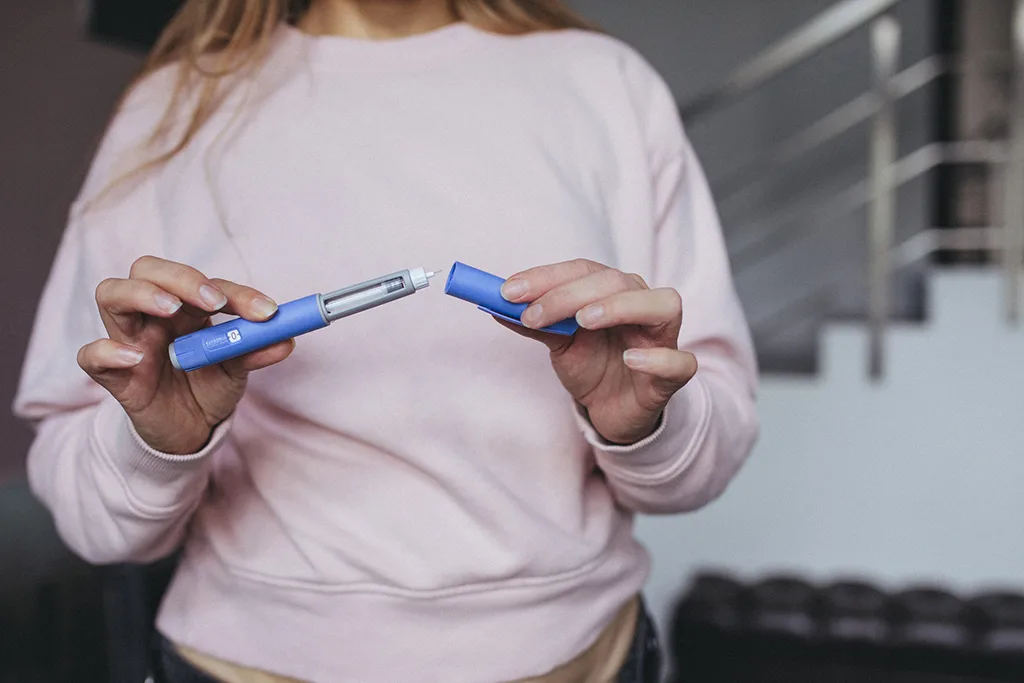
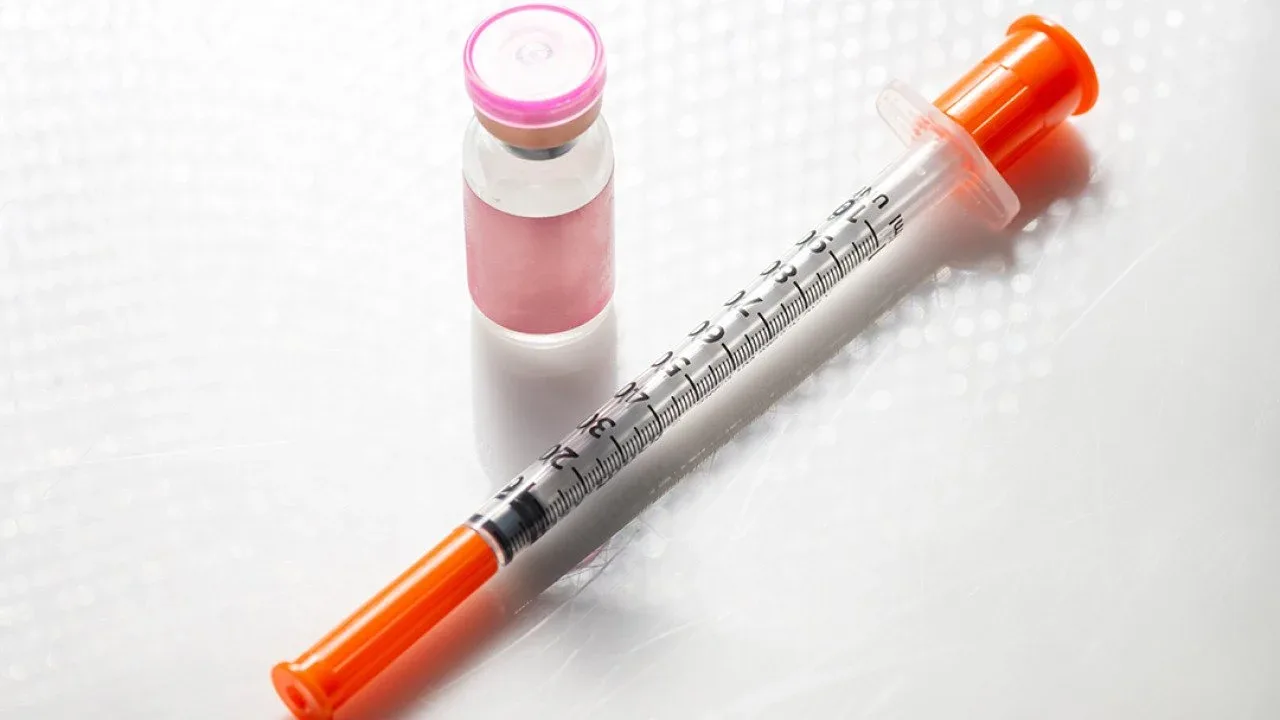
Ozempic and Wegovy are exclusively available as prefilled injection pens. Conversely, compounded semaglutide injections are typically dispensed in vials, mandating the use of a syringe to draw the specific dose prior to injection.
Storage requirements and shelf life are also likely to differ with compounded semaglutide, depending on the preparation method of the injections.
Dosages
Ozempic and Wegovy offer a limited range of standardized, pre-measured doses that have been thoroughly studied in clinical trials. As FDA-approved products, each injection pen is engineered to deliver a consistent and predictable amount of semaglutide per injection.
On the other hand, compounded semaglutide can be formulated to provide doses that diverge from those of commercial products. This includes “microdoses,” which are significantly smaller than FDA-approved doses. These products are often marketed as more customizable or easier to tolerate; however, evidence to support microdoses is lacking, and adhering to very low doses may not yield the same results as standard doses.
Dosage Forms
Ozempic and Wegovy are administered as injections, while Rybelsus is an oral tablet. Each medication has been carefully formulated and tested to ensure effectiveness and safety. Studies have also been conducted to understand the expected semaglutide levels in the body when these specific forms and doses are taken.
Compounded semaglutide is available in various dosage forms beyond injections. The use of semaglutide in sublingual drops, ODTs, and nasal sprays has not been studied in humans. There are no FDA-approved versions of these dosage forms to serve as a reference point. The absorption rate of semaglutide in these forms is not well understood, making it challenging to predict the effects of taking these medications.
Precision tracking for your journey
Join thousands using Shotlee to accurately track GLP-1 medications and side effects.
📱 Get the Shotlee App
Track your GLP-1 medications, peptides, and health metrics on the go with our mobile app!
Assessing the Safety and Effectiveness of Compounded Semaglutide
Determining the safety and effectiveness of compounded semaglutide is challenging because the FDA does not evaluate compounded medications. However, this doesn't automatically mean they are ineffective or dangerous. Compounded medications serve an important role in medicine but also pose unique risks.
Unlike drug manufacturers, compounding pharmacies are primarily regulated by state boards of pharmacy. Regulations and oversight levels vary by state. Some pharmacies may also be accredited, indicating compliance with specific standards.
Some compounding pharmacies, known as outsourcing facilities, are registered with the FDA and are subject to FDA inspections and stricter regulations known as current good manufacturing practice regulations.
The quality of compounded medications can vary between pharmacies. The filling pharmacy, the ingredients used, and the manufacturing process all matter.
Potential Side Effects and Risks of Compounded Semaglutide
Compounded semaglutide may induce similar side effects as Ozempic and Wegovy. However, it's crucial to recognize that these products are not identical and can differ from FDA-approved forms in terms of dose, administration route, and ingredients, potentially influencing side effects.
Common side effects linked to semaglutide include:
- Nausea and vomiting
- Diarrhea or constipation
- Stomach pain
- Gas and bloating
- Fatigue
Rare but serious semaglutide side effects include:
- Very low blood sugar (glucose)
- Pancreatitis
- Gallbladder problems
- Gastroparesis (slowed stomach emptying)
- Acute (sudden) kidney damage
- Increased risk of certain types of thyroid tumors
Due to these potential side effects, certain individuals may be advised to avoid GLP-1s like semaglutide entirely.
Risks Specific to Compounded Semaglutide
In addition to the previously mentioned risks, compounded semaglutide carries its own set of potential risks. These include:
- Inappropriate ingredients: As mentioned earlier, some pharmacies might use ingredients that fail to meet FDA requirements, potentially compromising quality and purity or affecting the ingredient's functionality.
- Potential contamination: Compounded semaglutide injections pose contamination risks, especially if improperly prepared or manufactured in a non-sterile environment. Research indicates that approximately 45% of drug recalls over a decade originated from compounding pharmacies, primarily due to sterility concerns.
- Quality control processes: Compounding pharmacies may lack the rigorous quality control measures employed by drug manufacturers, particularly when producing large volumes of compounded medications.
- Dosage errors: Compounded semaglutide vials lack the safety features found in prefilled injection pens, elevating the risk of injecting excessive semaglutide, especially without clear instructions or familiarity with syringe use.
While these risks are possible with any medication, it's crucial to understand them specifically with compounded semaglutide. Engaging with an experienced and reputable pharmacy can help mitigate these potential issues.
Key Considerations When Purchasing Compounded Semaglutide
As previously mentioned, compounded versions of semaglutide injections are being phased out. In most situations, transitioning from compounded semaglutide to an FDA-approved product is recommended.
However, if a prescriber deems a custom-compounded semaglutide product medically necessary, consider the following when selecting a pharmacy:
- Accreditation: Accredited pharmacies adhere to national standards for compounding medications, providing an added layer of assurance. Accreditation programs include those from the National Association of Boards of Pharmacy and the Pharmacy Compounding Accreditation Board. Outsourcing facilities are another option, as they are subject to stricter requirements.
- Proper licensing: The pharmacy should possess proper licensing in good standing, without expirations, revocations, or disciplinary actions. It should also have a physical address and phone number within the U.S. Some states mandate a separate sterile compounding license for injections.
- Readily available staff: The pharmacy should have licensed pharmacists available to address your questions and offer guidance on proper medication use to prevent errors.
- False advertising: Exercise caution with pharmacies or companies promoting compounded semaglutide as “generic” versions of Ozempic or Wegovy or making unsupported claims about their effectiveness or safety.
- Prescription requirements: Compounded semaglutide always necessitates a prescription. Avoid pharmacies that offer semaglutide without one, as this increases the risk of receiving a counterfeit product.
If you have questions or need more information, reach out to the pharmacy to inquire about their ingredient sources, medication composition, and quality control processes.
Transitioning to FDA-Approved Semaglutide
If switching from compounded semaglutide to Ozempic or Wegovy is necessary, the following tips can facilitate a smoother transition:
- Consult your healthcare team: They can assess whether Ozempic or Wegovy is the appropriate choice and discuss potential alternatives if needed.
- Check your insurance coverage: Your prescriber may need to submit prior authorization or documentation to secure coverage.
- Explore savings programs: Explore available savings programs to reduce medication costs.
If you're uncertain where to begin, your healthcare team can provide guidance on the next steps.
Frequently Asked Questions
Why is Vitamin B12 Taken with Compounded Semaglutide?
Semaglutide may lead to a decrease in vitamin B12 levels in some individuals, prompting a recommendation for vitamin B12 supplementation to prevent or treat deficiencies.
Some websites assert that vitamin B12 boosts metabolism for added weight loss, but this claim lacks confirmation in clinical studies.
Assessing the Safety of Semaglutide Purchased Online
Purchasing semaglutide online increases the risk of receiving a counterfeit product. Verify the website's legitimacy using NABP's safe site search tool. Inspect the medication and packaging of Wegovy, Ozempic, or Rybelsus purchased online for any differences in appearance compared to genuine products.
Determining the safety of compounded semaglutide purchased online can be more challenging. Obtaining medication from an experienced and reputable pharmacy offers the best protection. Opting for accredited pharmacies or outsourcing facilities provides an additional layer of assurance.
Avoiding Counterfeit or Illegal Semaglutide
The most effective way to avoid counterfeit or illegal semaglutide is to obtain FDA-approved Wegovy, Ozempic, or Rybelsus from a local pharmacy. If that's not feasible, consult FDA resources for purchasing medications from online pharmacies and verify the website using NABP's safe site search tool.
Insurance Coverage for Compounded Semaglutide
Insurance coverage for compounded medications varies by plan. Contact your insurance provider to learn more about your plan's coverage details.
In many cases, you may need to pay out of pocket for your prescription. Remember that cheaper options may not always be better when it comes to compounded medications.
The Bottom Line
Since February 2025, the shortage of semaglutide injections (Ozempic, Wegovy) has been resolved, leading to a gradual phasing out of compounded semaglutide injections. While they might still be accessible in limited situations, understanding the potential risks is crucial.
Recognize that compounded semaglutide differs from Ozempic, Wegovy, and Rybelsus. If you're considering it, discuss the potential benefits and risks with your healthcare team. Ask questions to ensure you understand the medication's composition and its source. Avoid purchasing semaglutide without a prescription.