
Are Microdoses of GLP-1s the New Fitness Trend? Weighing Benefits and Risks
What started as his wife's weight loss journey led Wes Turner to adopt a habit he calls life-changing. For two years, Turner observed his wife's weekly injections of a glucagon-like peptide-1 receptor agonist (GLP-1) and the resulting 30-pound weight loss.
Turner, a 44-year-old entrepreneur from North Carolina, wasn't focused on shedding pounds, standing 6'1" and weighing 183 pounds. A regular weightlifter and runner, he completes a half-marathon annually, finishing the Lake Norman race in April 2024 with a time of 1:53:54.
Last fall, his perspective shifted when his wife's blood test results revealed a 68 percent drop in triglycerides, a key heart disease risk factor. Her hemoglobin A1C, a blood sugar control marker, decreased by 7 percent, a significant improvement for overall health.
Turner, who describes himself as a "numbers guy," stated, "I maintain a healthy diet and exercise regimen and appear healthy, but I recognize that internal health doesn't always mirror external appearance. The idea of improving my blood work with a GLP-1 immediately appealed to me."
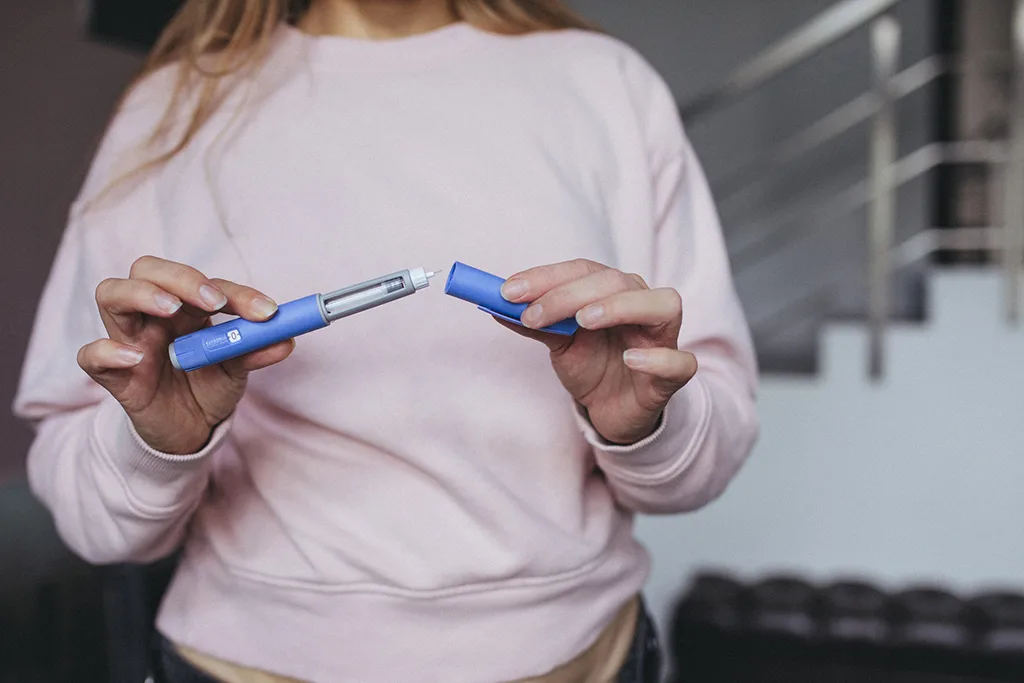
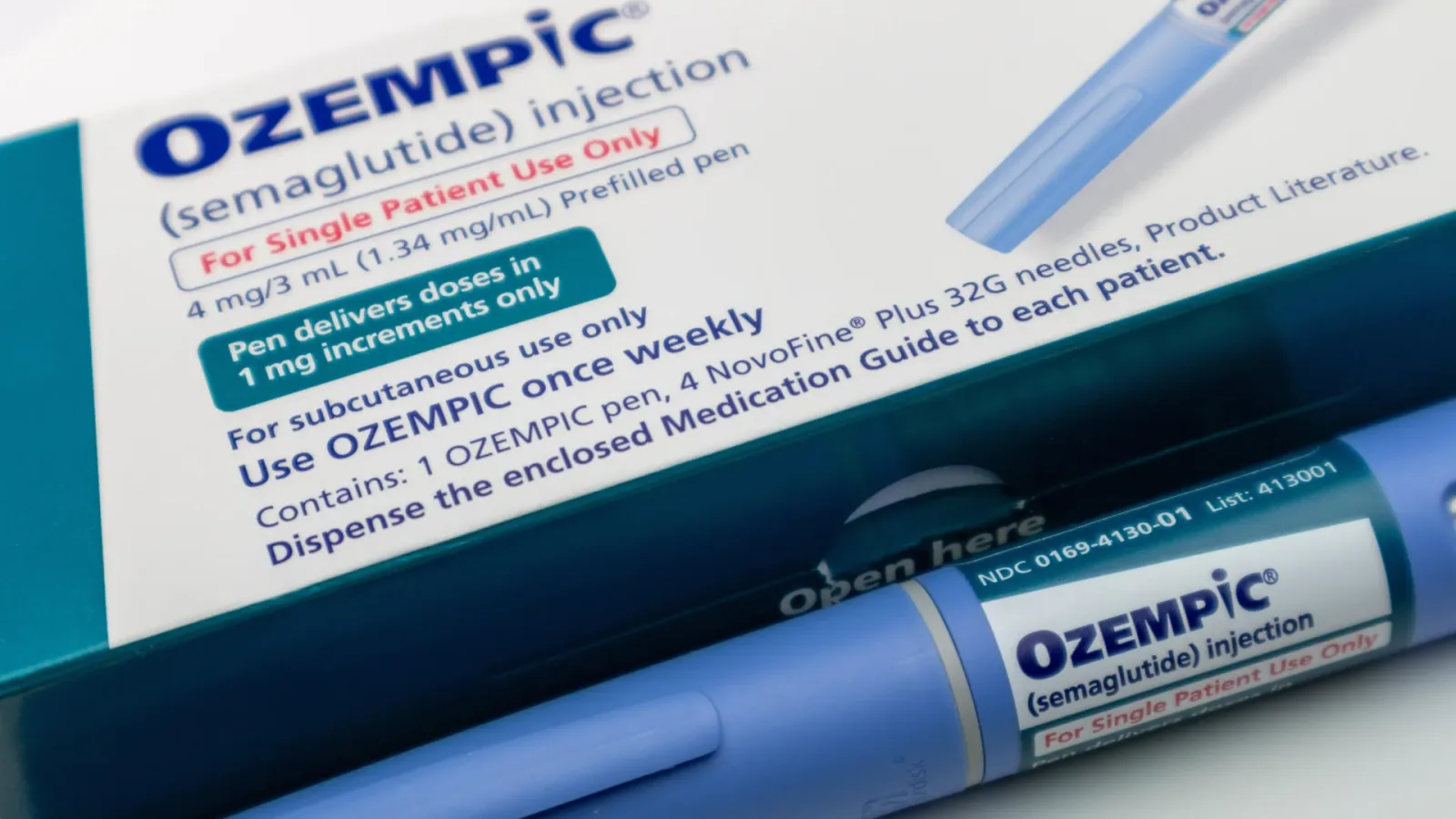
Turner's A1C had been consistently in the prediabetic range for a decade, and his total cholesterol was elevated at 237 mg/dL. As a cofounder of The Aesthetic Concierge, Dr. Evan Blum prescribed him 0.2 milligrams of semaglutide, the active ingredient in Wegovy and Ozempic, administered every seven days. This dosage is 20 percent lower than the standard starting dose for obesity treatment, and costs $299 every five weeks from a compounding pharmacy.
After a brief hesitation, Turner administered his first injection. To his surprise, it was nearly painless. Within two months, his A1C dropped to 5.6, below the prediabetes threshold. His cholesterol also decreased to 220 mg/dL, his lowest in three years. Additionally, he lost six pounds, enhancing his running performance.
"I feel revitalized, like I'm in my 20s again," Turner remarked. He intends to continue microdosing as long as his A1C and cholesterol stay within normal limits, and has not experienced any side effects.
Turner is one of many men experimenting with GLP-1 microdosing. Data from RAND indicates that approximately 12 percent of Americans have tried a GLP-1. A survey by Tebra showed that over a third of GLP-1 users were microdosing, particularly Gen Z and affluent individuals, often due to lack of insurance coverage. The goal is to gain the health benefits seen in individuals with obesity and type 2 diabetes taking standard doses, but with fewer side effects.
These individuals are part of a larger movement of men proactively managing their health, rather than waiting for illness to develop. They aim to optimize their health and prevent chronic diseases. Research suggests GLP-1s may reduce inflammation, boost energy by increasing mitochondria in skeletal muscle, and lower the risk of conditions such as Alzheimer's, heart disease, and alcohol use disorder.
The Medical Perspective
However, many physicians are cautious about microdosing GLP-1s without a clear medical necessity, primarily due to limited research on its effectiveness and safety in individuals with normal weight and blood sugar.
Dr. Florencia Halperin, chief medical officer at Form Health, emphasizes the importance of the risk-benefit ratio. "In individuals with obesity, the benefits of GLP-1s outweigh the risks due to the numerous associated health conditions. But for those with normal health, the risk-benefit ratio is unknown, making it a concern."
The quality of compounded weight-loss medications is another concern. While standard doses of semaglutide or tirzepatide are available through pharmacies, microdoses typically come from compounding pharmacies. Questions persist about the quality and legality of these compounded medications.
Are healthy individuals who microdose GLP-1s pioneering a healthspan enhancement strategy, or are they wasting money and risking their health?
The Rise of Microdosing GLP-1s
For many, the interest in GLP-1 microdosing was sparked by a Huberman Lab episode in October 2024. Dr. Craig Koniver highlighted his "low and slow" approach, prescribing small compounded doses of semaglutide and tirzepatide to minimize muscle loss, nausea, and "Ozempic face."
Microdosing, originally used for psychedelic drugs, gained popularity in the GLP-1 field during shortages. Doctors and patients began experimenting with smaller doses of Wegovy and Ozempic. As the FDA allowed compounding pharmacies to produce GLP-1s in 2022, doctors could request custom doses, reducing side effects in patients.
Studies indicate that 40 to 85 percent of people taking standard GLP-1 doses experience side effects, often gastrointestinal issues. Dr. Blum and others began prescribing lower doses to healthy patients in 2024, driven by research on the non-weight-loss benefits of GLP-1s.
Microdosing now has a place in the GLP-1 conversation, though a universal definition is lacking. Dr. Alexandra Sowa defines it as using smaller amounts than FDA-approved doses. Telemedicine platforms, such as AgelessRx and Noom, offer microdosing plans. Found Health and Hims & Hers are also entering this space, focusing on preventative metabolic health.
Precision tracking for your journey
Join thousands using Shotlee to accurately track GLP-1 medications and side effects.
📱 Get the Shotlee App
Track your GLP-1 medications, peptides, and health metrics on the go with our mobile app!
Noom's program, with over 15,000 participants, is available to those with a BMI of at least 25. Dr. Jeffrey Egler notes that BMI isn't the only factor, emphasizing body recomposition and the potential healthspan benefits. Found promotes the idea that microdosing is not merely cosmetic, but clinical.
Real-World Experiences
Martyn Strydom, a 39-year-old tech entrepreneur, experimented with semaglutide microdoses and logged a 3 percent reduction in blood sugar and a 6 percent boost in nighttime energy recovery. He also experienced fewer energy dips and lost about 2.6 pounds without trying.
Noom's CEO, Geoff Cook, started microdosing to improve his metabolic health. His A1C fell to 5.3, and his cholesterol and triglyceride levels improved. He also lost 10 pounds because it became easier to make healthy food choices.
Emil Johic, 39, sought out retatrutide to shed fat and gain muscle. He took 2.5 mg weekly and reduced his body fat from 24 percent to 13.5 percent. Despite the risks, he tracked his health and saw improvements in his markers.
Tony Palamidessi, 41, uses retatrutide to manage his blood pressure, which is now normal. He sources his peptides carefully, ensuring they come from reputable suppliers.
Dr. Sharon Giese notes that microdosing is often used for weight maintenance after higher doses have helped patients reach their target weight. Dr. Egler found that microdosing helped him return to his ideal weight and reduced his knee pain. Health tracking apps like Shotlee can help monitor various health metrics during such regimens.
The Unknowns and the Future
While individuals report benefits from low-dose GLP-1s, research on microdosing is still limited. Key questions remain about the long-term effects and mechanisms of action.
Dr. Sowa believes we are on the verge of a longevity revolution. Studies are underway to examine the results of microdosing programs and the effects of microdosing semaglutide on health, quality of life, and longevity.
Dr. Egler suggests that small doses could have significant impacts, even in people with lower starting weights. The lack of evidence doesn't mean it doesn't work.
Safety remains a concern, particularly regarding the quality of compounded GLP-1s. The FDA has received reports of counterfeits and products with incorrect ingredients. Dr. Angela Fitch warns of potential autoimmune reactions to low-quality compounds.
Dr. Blum advises patients to ask about the certifications and licenses of the compounding pharmacy. He also cautions against ordering GLP-1s without a doctor.
User error is another risk with DIY injections. Mistakes can lead to dangerous overdoses. The FDA has received reports of severe complications from accidental overdoses. Dr. Blum provides detailed instructions and encourages patients to seek help if needed. He also advises against prefilled syringes due to potential contamination.
Dr. Halperin finds it concerning that people are buying medication without seeking proper medical care. She emphasizes that a questionnaire-based approach is not safe or comprehensive.
Dr. Blum requires patients to undergo blood tests before microdosing. If a patient deviates from the prescribed dosing, he will discontinue treatment. The growing accessibility of these medications has led some to view them as supplements rather than medications.
The duration and long-term cost of microdosing are also considerations. Serious complications have been reported in a small proportion of GLP-1 users. Dr. Dan Azagury states that the risk-benefit ratio is only favorable for those with obesity. Given the lack of insurance coverage for non-obese individuals, the cost can be substantial.
Wes Turner monitors his blood work closely and will adjust his dose if needed. His goal is to avoid statins and maintain optimal cardiovascular health, driven by his family history. He believes microdosing is worthwhile if his health numbers remain positive.