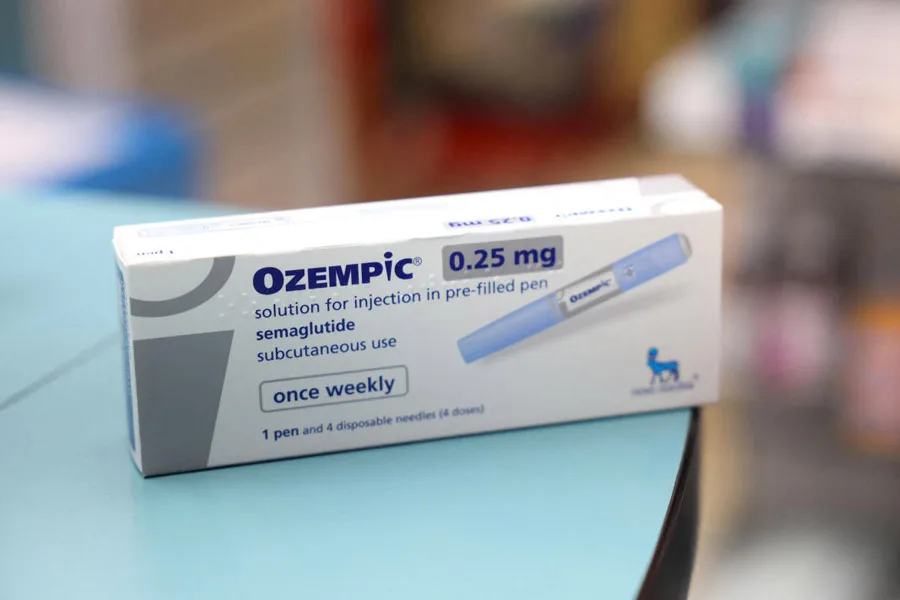

Anticipating Large Profits: Ozempic Patent Expiration Sparks Indian Pharma Generics Race
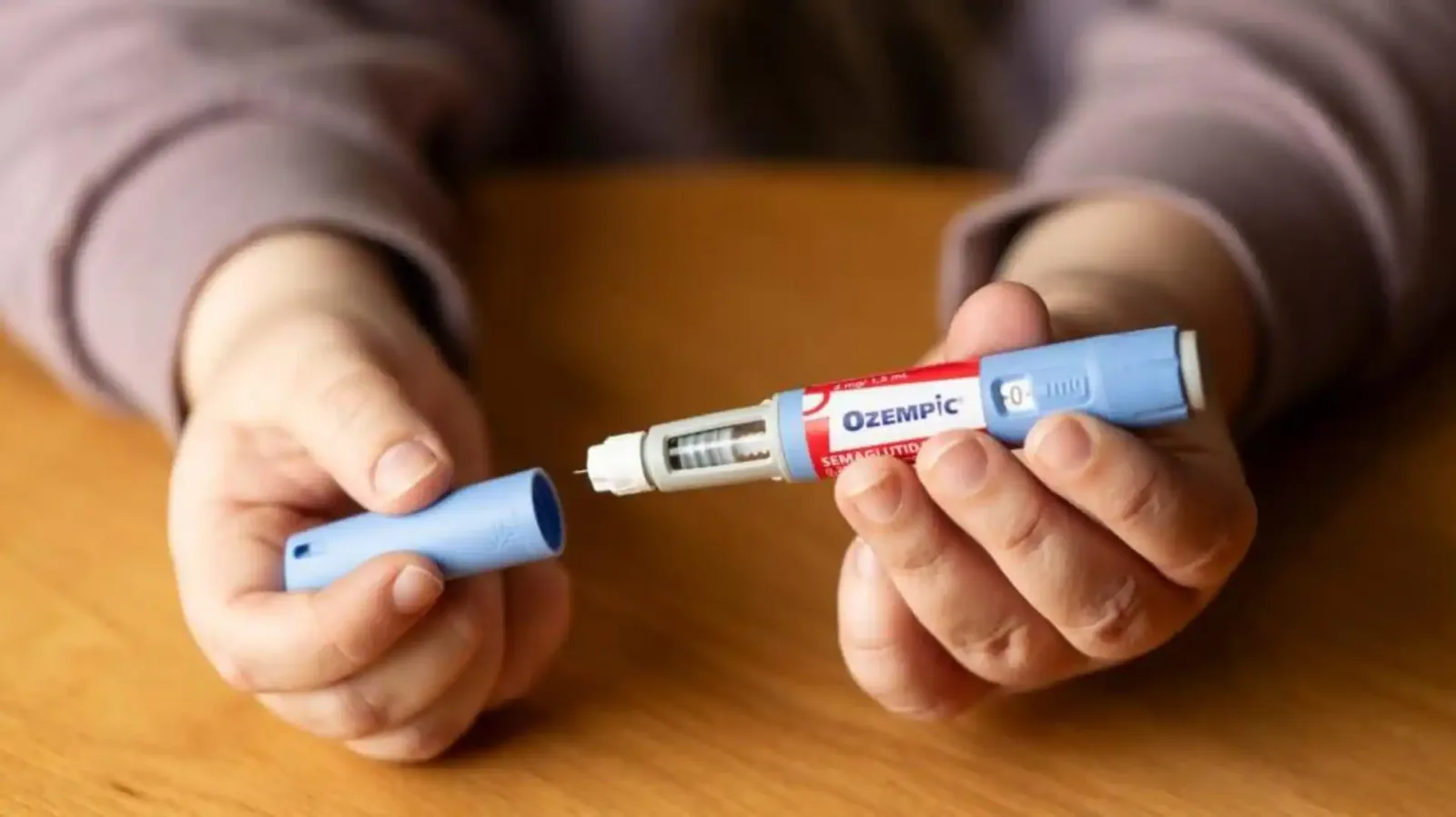
Indian pharmaceutical giants are positioning themselves to capitalize on the growing demand for weight-loss solutions as the patents for the diabetes and weight-loss medications Ozempic and Wegovy are set to expire in March. Analysts are predicting a “gold rush” scenario as companies prepare to launch more affordable generic versions.
These firms are moving quickly to introduce generics, driven by the current high demand, even at existing price points.
Obesity rates have been climbing worldwide, and India is no exception. Factors such as increased junk food consumption, rising incomes, and more sedentary lifestyles are contributing to this rise. According to the National Family Health Survey, nearly 25% of Indian adults are classified as overweight or obese.
India's obesity issue is considered an epidemic by health experts. They project that by 2050, the country could have over 440 million overweight or obese adults, representing approximately one-third of the population.
According to Vikrant Shrotriya, India managing director of Ozempic pioneer Novo Nordisk, excess fat is a major contributor to numerous metabolic diseases, playing a role in nearly 230 health problems. The increasing demand for weight-loss drugs like semaglutide and tirzepatide reflects a desire for a quick and easy solution.
Semaglutide functions by mimicking the GLP-1 hormone, which slows down digestion, induces a feeling of fullness, and stabilizes blood sugar levels. Previously, access to GLP-1 drugs was limited to wealthier individuals who often obtained them from other countries.
Dr. Jothydev Kesavadev, founder and CEO of Jothydev's Diabetes Research Centre, notes that people previously paid high prices to acquire the drug from abroad. The local availability at a significantly lower cost has led to increased usage.
The introduction of generic GLP-1 drugs is anticipated to create a global market worth billions of dollars, with the Indian market expected to experience even faster growth upon their arrival.
Novo Nordisk is actively working to strengthen its presence in India. The company is launching Ozempic locally and introduced Wegovy, a higher-dose version for weight loss, just five months prior. Wegovy's global sales surged from US$1.5 billion to US$8 billion in 2024.
Shrotriya states that these products were introduced in India at a 35% lower price, leading to rapid acceptance. He notes the unprecedented speed at which this drug class is scaling. To boost initial sales, Novo Nordisk reduced Wegovy's price by 35%, making it available within the Rs 10,000 to Rs 16,400 range with a prescription.
The real excitement is yet to come as the patent expiration approaches.
Once the patent expires in India and other major markets next March, generic versions of semaglutide are expected to enter the market at significantly lower prices.
Domestically, the monthly cost is projected to start around Rs 4,000. Dr. Reddy's Laboratories CEO Erez Israeli has announced intentions to launch a more affordable version of Wegovy in 87 countries next year.
Biocon, Cipla, and Torrent are also actively engaged in developing and marketing off-patent obesity medications.
The global market for GLP-1 based weight-loss drugs, including semaglutide, was valued at approximately US$13.84 billion in 2024. Projections indicate that this market will nearly quadruple by 2030, reaching around US$48.84 billion.
In India, the domestic GLP-1 market had a valuation of roughly US$110.55 million in 2024, with expectations of rapid growth following the availability of cheaper generics.
Legal challenges are still possible. Novo Nordisk has filed a lawsuit against Dr. Reddy's in the Delhi High Court, which initially restricted the company from selling semaglutide in India, although exports were permitted. A separate legal challenge involving Natco Pharma is also ongoing. Despite these issues, most companies are confident that Novo Nordisk's semaglutide patent will expire as scheduled, and they are actively preparing for the surge in demand.
Precision tracking for your journey
Join thousands using Shotlee to accurately track GLP-1 medications and side effects.
📱 Get the Shotlee App
Track your GLP-1 medications, peptides, and health metrics on the go with our mobile app!
Demand is already high at current prices. Many individuals seeking weight loss are bypassing endocrinologists and consulting general practitioners directly, raising concerns among specialists. The age demographic is also changing, with more young people seeking treatment. Dr. Kesavadev reports an increase in younger individuals seeking the treatment solely for weight loss. Health tracking apps like Shotlee can help monitor these changes and ensure responsible usage.
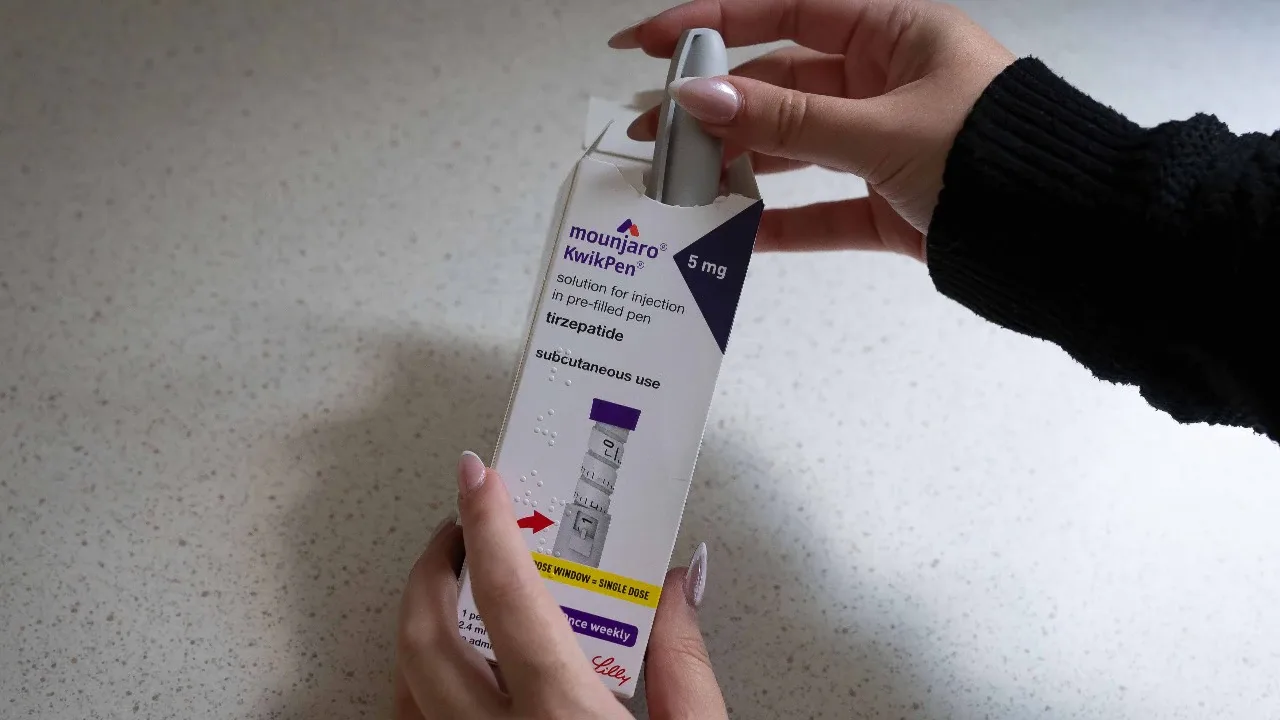
Eli Lilly's Mounjaro, a heavyweight competitor to Novo Nordisk in India, aids in weight loss and blood sugar control by targeting two gut hormones. It has demonstrated greater weight loss compared to older medications like Ozempic.
Since its launch in March, Mounjaro has become India's top-selling drug by value. A starter pen containing four weekly doses is priced around Rs 14,000. Sales of Mounjaro in October alone are estimated at approximately Rs 100 crore, with total sales between March and October potentially reaching Rs 330 to Rs 430 crore.
Tirzepatide, Mounjaro's active ingredient, is patented until at least 2036 in most countries. Its results are significant, yielding an average weight loss of around 20%, compared to Wegovy's 10-15 kg and Ozempic's 10-12 kg at full dose.
Eli Lilly has strategically positioned Mounjaro as a weight-loss drug as its primary function, with diabetes treatment as secondary, a strategy that has proven successful in India.
Sales of these drugs are expected to remain strong, even after patients achieve their weight-loss goals. Doctors have noticed that weight regain is common after discontinuing the medication. Semaglutide and tirzepatide reduce both weight and appetite, so when medication ceases, appetite returns. Therefore, complete cessation is often not a viable option. Patients should consult experienced doctors for careful dosage adjustments.
One specialist recommends Ozempic primarily for diabetes, while Wegovy, requiring a higher dose, should be used for significant weight reduction. Ozempic is suitable for mild weight reduction in diabetic patients.
Another adds that stopping GLP-1 drugs leads to increased eating and weight regain. Maintaining a smaller dose is recommended once the weight-loss target is reached.
Most major Indian pharmaceutical companies are preparing for the semaglutide opportunity. Zydus, Torrent, and Eris are expected to be among the first to launch. Zydus Lifesciences MD Sharvil Patel has indicated that they expect to be in the first wave of semaglutide launches in India.
Cipla has partnered with Eli Lilly to distribute tirzepatide under the brand name Yurpeak in smaller towns and rural areas, potentially broadening the drug's reach.
Other companies are considering bulk manufacturing of semaglutide for sale to firms in India and abroad. Biocon, for instance, has an agreement with the Canadian company Biomm.
Semaglutide's patent will expire in key countries, including Brazil, Canada, and China. Several Chinese manufacturers are also vying to dominate the generic semaglutide market, posing significant competition for Indian firms.
Doctors anticipate significant potential beyond diabetes and weight loss. Many believe GLP-1 drugs can improve conditions related to obesity, such as cardiac disease and osteoarthritis. Researchers are exploring potential benefits for liver disease, dementia, stroke, and even alcoholism. Kesavadev believes the therapeutic applications could be extensive, potentially eliminating the need to treat many other illnesses.
However, cautions exist. Dr. Nihal Thomas warns that high doses may result in loss of muscle mass along with fat. He emphasizes the importance of exercise while taking these medications.
Both Eli Lilly and Novo Nordisk are actively developing improved versions of these drugs. Eli Lilly is conducting Phase 3 trials for retatrutide, which activates three metabolic hormones simultaneously, potentially leading to greater weight loss. Novo Nordisk is developing Amycretin, which combines GLP-1 with amylin, a hormone that suppresses appetite and slows digestion. Early evidence suggests it may deliver greater weight loss than semaglutide. Both pipeline drugs are considered potential blockbusters in global markets.
Shrotriya believes that effectively addressing obesity could reduce metabolic diseases by 10 to 15 percent.