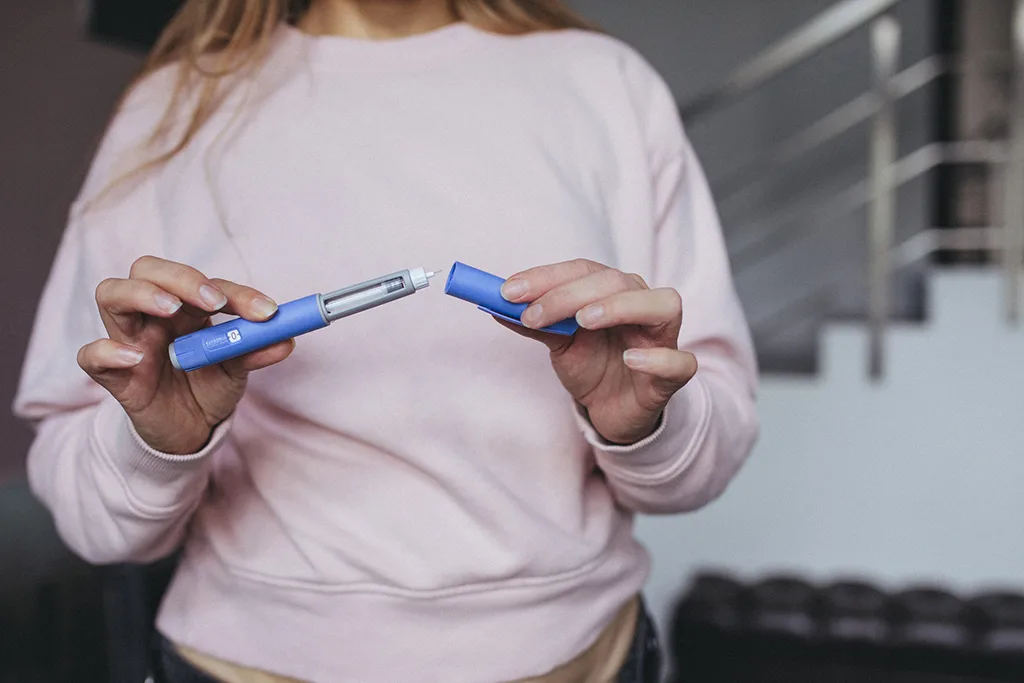

A recent animal study on semaglutide pills has raised flags about unexpected effects linked to formulation components unique to oral GLP-1 drugs. Unlike injected versions, oral semaglutide requires additional excipients and absorption enhancers to navigate the digestive tract effectively. These non-active ingredients produced biological changes in laboratory animals, prompting scientists to recommend caution as evaluations of oral products continue.
Understanding Semaglutide and GLP-1 Medications
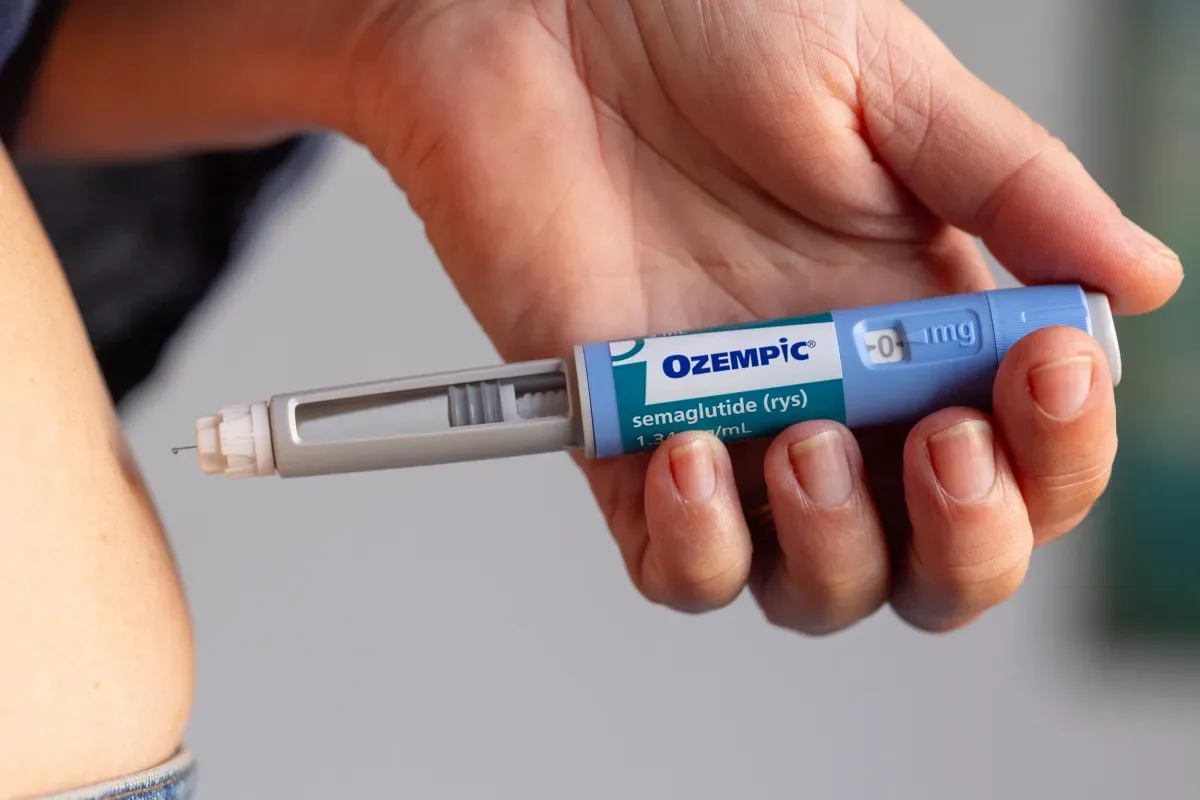
Semaglutide, a glucagon-like peptide-1 (GLP-1) receptor agonist, has transformed metabolic health management. Marketed as Ozempic and Wegovy for injections, and Rybelsus for oral use, it mimics the GLP-1 hormone to regulate blood sugar, slow gastric emptying, and reduce appetite. This mechanism helps in type 2 diabetes control and weight loss.
However, delivering peptides like semaglutide orally poses challenges. The gut's harsh environment—acids, enzymes, and barriers—degrades them before absorption. Manufacturers address this with specialized formulations, including the excipients and enhancers at the center of the recent animal study.
Why Oral Formulations Differ from Injections
- Injectables (e.g., Ozempic, Wegovy): Direct bloodstream delivery bypasses digestion, relying on the peptide alone.
- Oral pills: Include agents to protect the drug, enhance gut permeability, and promote uptake into tissues beyond just blood sugar and appetite centers.
The study emphasizes that approved injections remain unimpacted, with concerns isolated to oral delivery methods.
Key Findings from the Animal Study on Semaglutide Pills
In the experiment, researchers tested the full oral formulation of semaglutide on laboratory animals. The non-active components—excipients and absorption enhancers—triggered biological changes not seen with the active peptide alone. These alterations involved modified drug exposure and tissue interactions, producing unintended signals that warrant scrutiny.
"Those non-active components produced biological changes in laboratory animals that prompted scientists to urge caution while people and regulators evaluate oral products."
Specifically, the agents designed to improve absorption changed how the drug contacts various tissues. In animals, this led to signals beyond expected blood sugar and appetite regulation, highlighting risks from reformulation.
Unresolved Questions from the Study
The findings leave key gaps:
- How do these animal observations translate to human biology?
- Which doses or specific formulations pose the greatest risk?
- Are the effects transient or persistent?
The study does not claim oral semaglutide is unsafe in humans but serves as an early alert for potential variables in delivery changes.
Precision tracking for your journey
Join thousands using Shotlee to accurately track GLP-1 medications and side effects.
📱 Get the Shotlee App
Track your GLP-1 medications, peptides, and health metrics on the go with our mobile app!
Mechanisms Behind Oral Semaglutide Formulations
Oral GLP-1 drugs like semaglutide pills use sodium N-(8-(2-hydroxybenzoyl) amino) caprylate (SNAC) as a key absorption enhancer in products like Rybelsus. This excipient temporarily opens tight junctions in the gut lining, facilitating peptide uptake. While effective for bioavailability, it may alter local tissue exposure or systemic distribution in ways not fully replicated in injectables.
In the animal model, these enhancers produced broader biological responses, suggesting off-target effects. This underscores the need to differentiate formulation impacts from the drug's core pharmacology.
Oral vs. Injectable Semaglutide: Safety and Efficacy Comparison
| Aspect | Oral Semaglutide (Pills) | Injectable (Ozempic/Wegovy) |
|---|---|---|
| Delivery | Gut absorption with excipients | Subcutaneous injection |
| Formulation Needs | Enhancers for permeability | Peptide only |
| Study Concerns | Animal changes from excipients | No issues flagged |
| Convenience | Daily pill | Weekly injection |
While orals offer needle-free appeal, the animal study spotlights why injectables may have a cleaner safety profile to date. Patients switching forms should monitor closely.
Implications for Patients Using GLP-1 Therapies
For those on semaglutide pills, the study reinforces vigilance without panic. Common side effects like nausea remain primary concerns, but formulation-specific risks now merit attention.
Practical Guidance for Patients
- Discuss with your doctor: Review your formulation if experiencing unusual symptoms.
- Monitor symptoms: Track gastrointestinal changes or unexpected effects; tools like Shotlee can help log medication schedules and side effects for better doctor discussions.
- Consider alternatives: If concerned, ask about switching to injectables like Ozempic.
Pregnant individuals or those with gut disorders should exercise extra caution with orals.
Next Steps: From Animal Data to Human Insights
Larger clinical trials and pharmacovigilance are essential. Regulators must assess if these excipient effects translate clinically. Independent scrutiny will clarify risks by dose, duration, and population.
The study acts as an early warning: altering delivery of proven drugs like semaglutide introduces variables needing rigorous evaluation.
Key Takeaways on Semaglutide Pills and Animal Study
- Animal study flags biological changes from oral excipients, not the peptide itself.
- Injections like Ozempic/Wegovy unaffected.
- Unclear human relevance; more research needed.
- Patients: Prioritize doctor consultations for personalized risk assessment.
Conclusion: Balancing Innovation with Caution in GLP-1 Therapy
The animal study on semaglutide pills highlights formulation science's double edge—enabling oral convenience but introducing new variables. While preserving semaglutide's metabolic benefits, it calls for measured adoption of orals. Stay informed, track your health, and consult providers to optimize therapy safely. For related topics like GLP-1 side effects or peptide comparisons, explore our metabolic health guides.