
Americans Embrace Meat Industry's Protein Health Claims
Protein-hungry shoppers are increasingly buying more meat with health top of mind, as a recent industry survey reveals. More than three-quarters of U.S. consumers (75%) saw meat and poultry as "part of a healthy, balanced diet" last year, up significantly from 64% in 2020, according to an annual survey from food industry groups FMI and the Meat Institute, released last month. Forty-five percent are "actively trying to prepare more meals containing meat or poultry," while another 31% are "doing so off and on." The unifying factor? Protein, which is "firmly at the center of consumer interest," the report stated.
The Protein Craze Gains Momentum from Industry and Officials
The protein craze has been building for years, but it received a notable boost this year from federal officials. Meat Institute CEO Julie Anna Potts said in a statement that the data "reinforces meat's clear and irreplaceable role" in providing consumers with "healthy, convenient, affordable meals." The trade group cheered the updated U.S. dietary guidelines unveiled in January, which recommend more protein, especially from meat and full-fat dairy. Health Secretary Robert F. Kennedy Jr. appeared as a featured guest at the industry's Annual Meat Conference last month when the report was released. In February, Kennedy posted on X that "the war on protein is over" and "beef is back on the menu."
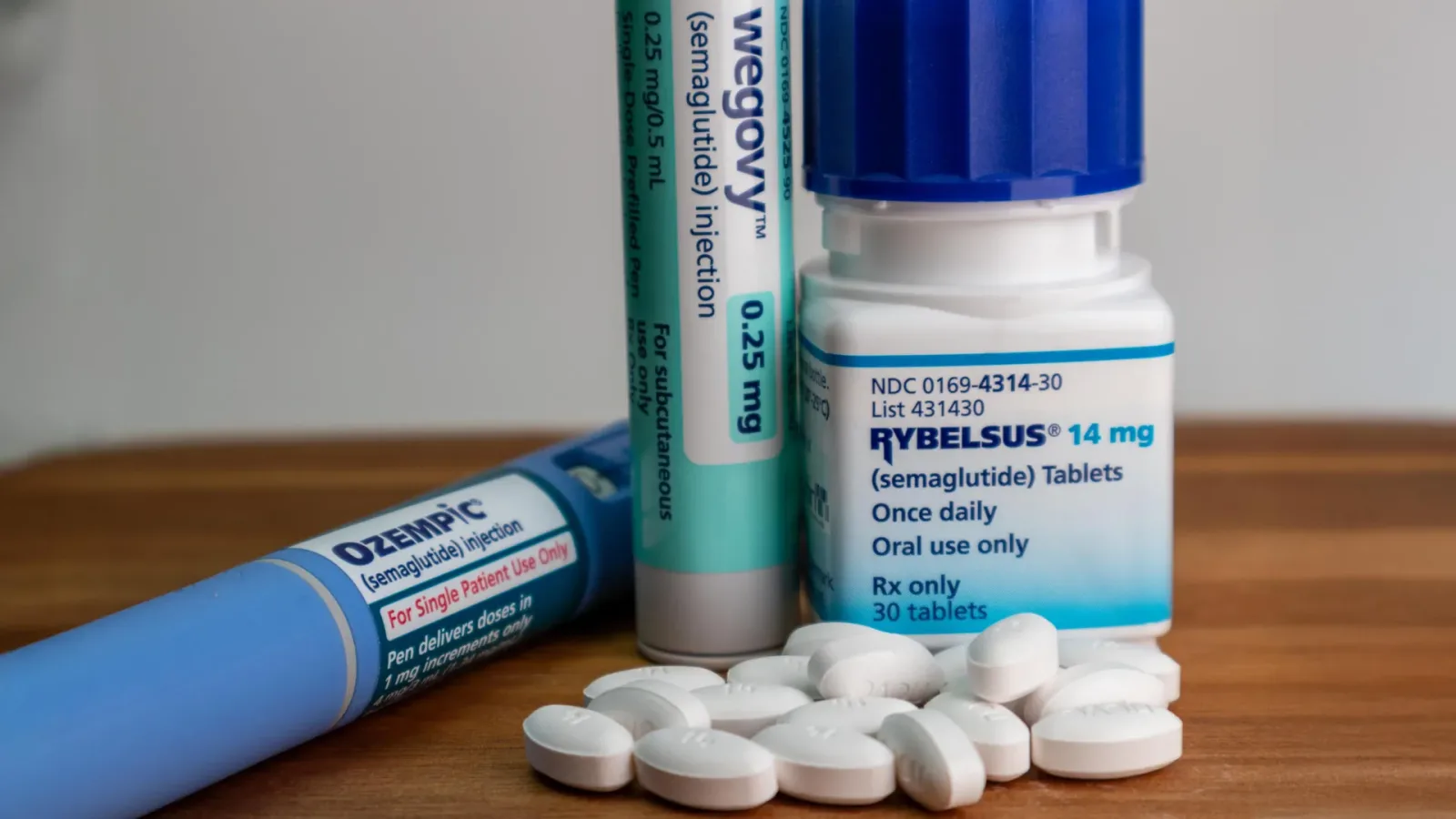
This alignment of industry messaging and government rhetoric has amplified perceptions of meat as a health essential. For those on GLP-1 medications like Ozempic or Wegovy, which promote weight loss and can lead to muscle preservation needs, protein intake becomes even more relevant. However, experts emphasize that the source of protein matters greatly for long-term metabolic health.
Health Experts Caution Against Meat-Centric Protein Focus
While protein isn't inherently bad, health professionals worry Americans are overfixating on meat-based sources. "Protein isn't bad for you," said Erin Hennessy, a Tufts University nutritionist, adding that she isn't urging everyone to go vegetarian. Some people do need more protein, including those who are aging, pregnant, or losing weight—whether through dieting or GLP-1 drugs.
"But protein intake and health, especially as it relates to an individual, is not a linear relationship, and that's the misperception that people have," Hennessy said.
Meat is packed with protein but carries well-established drawbacks. "Saturated fat we've known about for decades," said Dr. Sarah C. Hull, a cardiologist at Yale Medicine. It's common in red meat and contributes to increasing LDL cholesterol levels, hardening the blood vessels, and raising the risk of heart attack or stroke.
Moreover, "all mammalian meat tends to be very inflammatory," said Hull, who studies diet-related risks of heart disease and cancer. "More recently we've come to understand that the many pro-inflammatory compounds found in red meat" can lead to "deleterious interactions with the gut microbiome." Studies have linked risks of certain cancers and Type 2 diabetes to heme iron, a form found only in animal tissue and more easily absorbed than plant-based iron.
Mechanisms Behind Red Meat Risks
Saturated fats in red meat elevate LDL cholesterol by interfering with liver regulation of blood lipids, promoting atherosclerosis. Inflammatory compounds like Neu5Gc (sialic acid in red meat) trigger immune responses that damage vascular linings. Heme iron promotes oxidative stress, fostering cancer cell growth and insulin resistance—key factors in Type 2 diabetes, a major metabolic health concern.
Industry Pushes Back, But Evidence Favors Plant-Forward Diets
The Meat Institute argues the link between meat and heart disease isn't clear: "The evidence implicating meat consumption in adverse cardiometabolic outcomes is of low quality," making links "uncertain," per their report last year.
Hull rejected this: "This is the same tactic the tobacco industry used to try to undermine the overwhelming, albeit largely observational, data demonstrating the grave dangers of smoking." There's now "extensive" evidence for "the benefits of a whole-food, plant-forward diet that reduces consumption of red meat and highly processed foods," she said.
Precision tracking for your journey
Join thousands using Shotlee to accurately track GLP-1 medications and side effects.
📱 Get the Shotlee App
Track your GLP-1 medications, peptides, and health metrics on the go with our mobile app!
In late March, the American Heart Association issued guidance prioritizing plant-based protein over meat. The American College of Cardiology, American Diabetes Association, and Academy of Nutrition and Dietetics recommend more plant-forward eating and limited meat intake.
Do Americans Really Need More Protein from Meat?
Health experts say most get plenty. "Most people are hitting their recommendations, by and large," Hennessy noted. The prior recommended daily allowance (RDA) was 0.8 grams of protein per kilogram of body weight—about 54 grams for a 150-pound (68 kg) person. The new Kennedy-backed guidelines suggest 1.2-1.6 g/kg, or 82-109 grams for that weight.
Excessive protein can stress kidneys, cause dehydration, and more. "Once you reach your personal maximum benefit based on your age, your activity level, and your body weight, eating above that is actually going to cause harm. It's not going to confer more benefits," Hennessy said.
Practical Guidance for Protein Needs
Calculate your needs: Multiply body weight in kg by 0.8-1.6 g based on activity (sedentary: lower end; athletes or GLP-1 users preserving muscle: higher). Discuss with your doctor, especially if managing metabolic conditions. Apps like Shotlee can track intake alongside symptoms for those on peptide therapy.
Superior Alternatives: Plant and Seafood Proteins
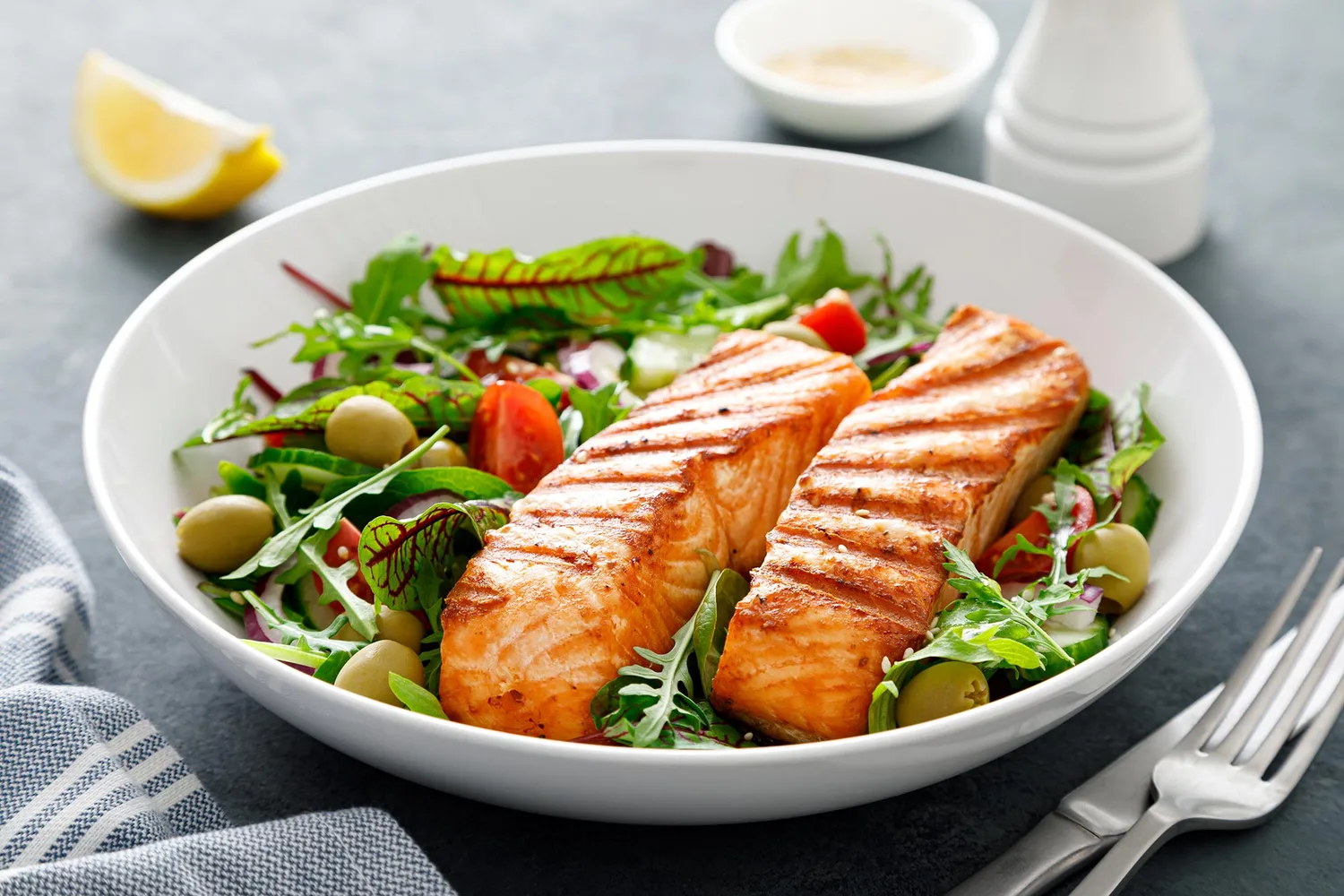
Instead of red meat, Hennessy encourages plant- and seafood-based sources, where Americans often fall short. Nuts, legumes, whole grains, and fish offer protein plus fiber, antioxidants, and omega-3s absent in steaks. Hull notes plant proteins are high in fiber—95% of Americans lack enough—and link to better outcomes. Her research shows certain plant nutrients may counter red meat's negatives.
Comparison Table:
- Red Meat (e.g., Beef): High protein, but saturated fat, heme iron, inflammatory.
- Plant (e.g., Lentils, Nuts): Protein + fiber, anti-inflammatory, gut-friendly.
- Seafood (e.g., Salmon): Lean protein, omega-3s for heart protection.
Consumer Trends Amid Rising Prices
Taste drives carnivorism, but when menus say "Choose your protein" and list meats, it's misleading, per Hull. Beef sales drove 70% of last year's 6.8% U.S. meat sales jump to $112 billion (Circana data). Yet 68% call meat/poultry "non-negotiable" in budgets. With beef up 12%+ in March, shoppers may shift to pork/poultry before legumes, said Jim Cusson of Theory House. One client highlights 38g protein on new beef patties packaging—"every touchpoint" amplifies protein.
Key Takeaways: Balancing Protein for Metabolic Health
Americans are buying meat industry's health claims amid protein hype, but evidence supports moderation. Prioritize plants/seafood for heart, gut, and diabetes protection. For GLP-1 users, balanced sources preserve muscle without risks. Shift norms take time, but better health—and planetary benefits—await plant-forward choices.
Incorporate more fiber-rich plants; consult pros for personalized plans. Tools like Shotlee aid symptom tracking during diet shifts.