
Best Peptide for Skin
GHK-Cu, BPC-157
Best peptides for skin health in 2026 — GHK-Cu for collagen synthesis and wound healing, BPC-157 for skin repair and angiogenesis.
GHK-Cu, BPC-157 & Epithalon — Ranked for Collagen, Anti-Aging & Healing (2026)
Skin peptides target collagen synthesis, wound repair, UV damage protection, and anti-aging gene expression. GHK-Cu is the most researched skin peptide — stimulating collagen I and III, activating 4,000+ repair genes, and reversing UV aging.
BPC-157 drives skin angiogenesis and wound closure. Epithalon protects DNA from UV damage and age-related degradation. For comprehensive skin anti-aging, combining topical and systemic peptide delivery produces the best outcomes.
How Skin Peptides Work
GHK-Cu (glycyl-L-histidyl-L-lysine copper complex) is the most comprehensively studied skin peptide in existence. Naturally produced in the body, it declines from ~200 ng/mL at age 20 to ~80 ng/mL by age 60 — directly correlating with the decline in skin collagen production, wound healing capacity, and DNA repair.
GHK-Cu activates genes for collagen I and III synthesis, fibronectin, elastin, and anti-inflammatory cytokines. Loren Pickart's research showed it modulates 4,000+ human genes, essentially resetting skin to a younger gene expression pattern.
Used topically in 1–5% concentrations for anti-aging and wound healing; systemically (SC injection 200–400 mcg/day) for deeper tissue effects.
BPC-157 accelerates skin wound healing primarily through its potent upregulation of VEGF (vascular endothelial growth factor) — the master driver of angiogenesis (new blood vessel formation).
New vasculature in healing tissue is what delivers oxygen, growth factors, and immune cells to the wound site. BPC-157 also activates EGR-1 (early growth response protein-1), a transcription factor that drives collagen synthesis and skin cell proliferation.
It has shown efficacy in animal models for burns, lacerations, and surgical wounds — with faster closure times and better tissue quality. Used systemically (SC injection) or in some topical formulations near the skin injury.
Epithalon's skin anti-aging benefits operate at the deepest level — protecting skin cell DNA from UV-induced damage and telomere shortening.
By activating telomerase, Epithalon enables skin fibroblasts and keratinocytes to maintain longer telomeres, slowing replicative senescence and the associated decline in collagen synthesis capacity. Khavinson's research also showed Epithalon reduced UV-induced chromosomal aberrations in cultured cells — suggesting photoprotective effects at the genetic level.
Used systemically (SC injection or intranasal, 5–10 mcg/day, 10–20 day cycles), its skin benefits are cumulative and positively synergistic with topical GHK-Cu application.
Vital Protocol FAQs
Yes — GHK-Cu is one of the best-studied skin anti-aging compounds with robust human evidence. Multiple clinical studies have demonstrated that topical GHK-Cu (in concentrations of 1–5%) produces measurable improvements in skin collagen density, firmness, elasticity, and fine line reduction in 4–12 week trials.
At the molecular level, Loren Pickart's foundational research showed GHK-Cu activates genes encoding collagen I, collagen III, fibronectin, and elastin — directly reversing the age-related decline in extracellular matrix quality.
It also reverses UV-induced skin damage at the gene expression level. Systemic GHK-Cu (SC injection) produces deeper tissue effects beyond what topical application can achieve.
BPC-157 heals skin through three primary mechanisms: (1) VEGF upregulation — it dramatically increases vascular endothelial growth factor production, stimulating new blood vessel formation that delivers healing resources to the injury site.
(2) EGR-1 activation — this transcription factor drives collagen synthesis, cell proliferation, and growth factor production in healing skin tissue. (3) NO (nitric oxide) pathway activation — nitric oxide improves local blood flow and has antimicrobial properties that support clean wound healing.
BPC-157 is particularly effective for: post-surgical wounds, burn wounds, chronic non-healing wounds, and skin damaged by NSAIDs or corticosteroids. It does not cause scarring — it promotes organized tissue repair with proper collagen architecture.
GHK-Cu is the strongest collagen-stimulating peptide with both human clinical data and molecular mechanistic evidence.
It directly activates transcription of collagen I and III genes, fibronectin, and tissue growth factors. In contrast, most skincare peptides labeled "collagen peptides" (like Matrixyl/palmitoyl pentapeptide) produce more modest effects through different receptor pathways.
BPC-157 also significantly increases collagen production through EGR-1, making it the top choice for wound/injury-related collagen synthesis. Growth hormone secretagogues (CJC-1295/Ipamorelin) also stimulate collagen production systemically through the GH-IGF-1 axis.
For maximum collagen production, a stack of GHK-Cu topically + systemic BPC-157 + GH peptide optimization covers all three major collagen synthesis pathways.
Why Track This Protocol with Shotlee
Clinical Evidence Skin protocols are supported by clinical research — Shotlee helps you track your own data against published benchmarks. Protocol Tracking Log each dose with exact timing and amount. Consistent records help you and your provider optimize your protocol.
Outcome Monitoring Track your key metrics before and during treatment. Objective data leads to better decisions than memory alone. Side Effect Log Record reactions immediately after each dose. Pattern detection prevents minor issues from becoming serious problems.
Progress Trends Shotlee charts your data over weeks and months — see long-term trends that individual data points can hide. Data-Driven Dosing Your logged data tells you what works. Use Shotlee charts to make evidence-based adjustments to dose and timing.
Key Takeaways and Practical Application
Understanding the evidence behind your health decisions is the foundation of effective protocol management. The information presented in this article is synthesized from peer-reviewed clinical data, regulatory documents, and established medical guidelines. While this guide aims to be comprehensive and current, medical knowledge evolves continuously — always verify current recommendations with your healthcare provider.
Translating clinical knowledge into personal health action requires consistent tracking and honest self-assessment. Shotlee provides the infrastructure to capture the data that matters: doses, timing, side effects, body composition changes, lab results, and subjective wellness markers. Over weeks and months, this data reveals patterns and trends that inform better decisions — whether that means adjusting timing, modifying doses, or discussing protocol changes with your prescriber.
Frequently Asked Questions
Best peptides for skin health in 2026 — GHK-Cu for collagen synthesis and wound healing, BPC-157 for skin repair and angiogenesis.
Yes. Shotlee supports tracking doses, side effects, and health metrics. It is free.
This article is based on published clinical trial data, peer-reviewed research, FDA documentation, and established medical guidelines. Sources are cited where applicable. Medical knowledge evolves continuously, so always verify current recommendations with your healthcare provider.
Track Your Peptide Protocol in Shotlee
Free dose logging, side effect tracking, and health metric monitoring for your complete protocol.
📚References & sources
Latest on peptide skin
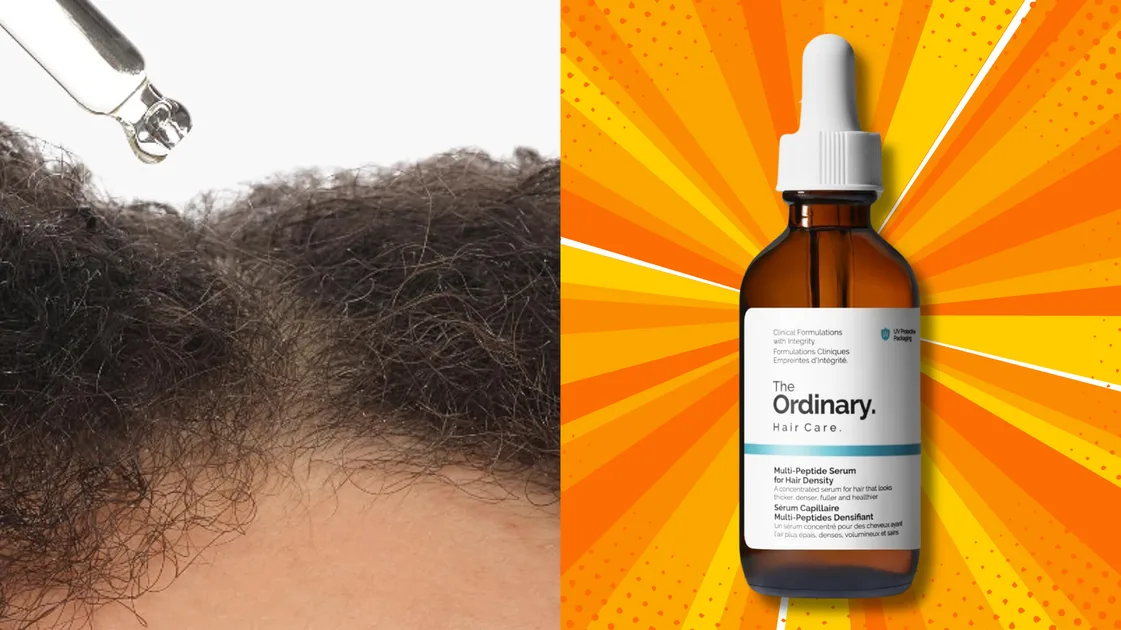
Peptides for Hair Loss: A Derm-Approved Ingredient for Thicker Hair
Discover how peptides, a common skincare ingredient, are making waves in hair loss treatment. This article delves into the science behind peptides and their potential to promote a healthier scalp and fuller-looking hair.
9 min read
Anandita Sundar's 7-Year Weight Loss Journey and Body Shaming
Anandita Sundar opens up about her seven-year weight loss journey, highlighting the profound impact of body shaming on mental health and her commitment to prioritizing well-being over societal expectations.
7 min read
Plus-Size Swimsuit Model on Inclusivity Amidst GLP-1 Medications
Plus-size model Hunter McGrady shares her concerns about a perceived decline in fashion inclusivity, particularly in the context of the growing popularity of GLP-1 weight loss medications.
7 min read