What is Agonorexia?
Managing GLP-1 Induced Food Apathy
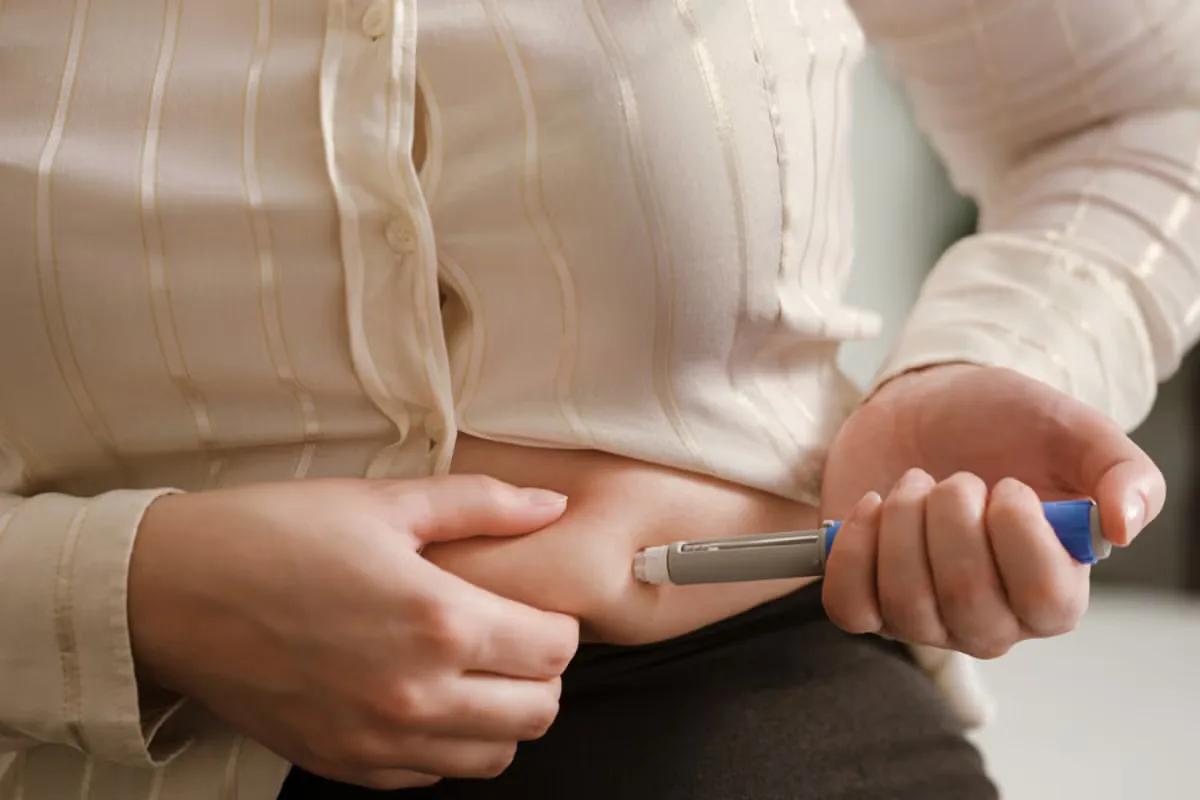
Agonorexia is a newly coined term (merging "Agonist" and "Anorexia") describing the profound, sometimes absolute, loss of interest in food experienced by some GLP-1 users. Unlike traditional anorexia, it is not driven by body image distortion but by a complete silencing of hormonal hunger signals.
Agonorexia vs. Traditional Anorexia
The key distinction in agonorexia is its physiological origin. In traditional anorexia nervosa, the individual often feels hunger but denies it due to psychological factors. In agonorexia, the GLP-1 receptor agonists so effectively suppress the "hunger hormone" Ghrelin and stimulate satiety signals that the individual simply forgets to eat.
This "food apathy" can lead to dangerous caloric deficits, muscle wasting, and nutrient deficiencies if not managed carefully. It is a state where food becomes a chore rather than a source of pleasure or survival drive.
Symptoms of Agonorexia
How to Manage Agonorexia Safely
The Psychological Impact of Food Apathy
Food is central to social life. For those with agonorexia, social gatherings centered around eating can become stressful or isolating. Understanding that this is a temporary, medication-induced state can help reduce anxiety.
Monitoring your "Food Noise" score in Shotlee can help you identify when suppression has crossed from "helpful" to "excessive," allowing for better titration with your healthcare provider.
Guide FAQs
No. The effect is dose-dependent and typically reverses once the medication is tapered or discontinued.
While on GLP-1s, most adults should aim for a minimum of 1,200 to 1,500 calories depending on activity level to avoid metabolic shutdown.
As of 2026, "agonorexia" is a descriptive term used by researchers and patients but is not yet a formal DSM-5 diagnosis. It is categorized under medication-induced appetite suppression.
Monitor Your Appetite Trends in Shotlee
Log your hunger levels and caloric intake to stay ahead of food apathy.