Research Peptides and FDA Status in 2026
What to Verify
Use a current-label, source, and storage checklist before you trust any peptide claim.
Start with the Product Category
An approved medicine has a current FDA label with an indication, route, warnings, storage directions, and instructions for use. A research-use product or API is not the same thing as an approved patient medicine.
Before you trust a claim, verify whether you are looking at an approved drug, a compounded product, or a research-only material. If the source cannot clearly explain which one it is, treat the record as incomplete.
What to Verify
Check the exact product name, the lot or batch number, the storage instructions, and whether the handling instructions match the product you received.
If a label, package, or source page is missing any of those details, pause before use and ask for the full documentation. A partial record is not enough to establish status or handling requirements.
Do Not Substitute a COA for Approval
A certificate of analysis can support documentation, but it does not replace product approval, sterility controls, or lot-specific verification.
When the label, source, and storage details are unclear, treat the material as unverified until a pharmacist, prescriber, or manufacturer can confirm the record.
When to Stop and Re-check
Stop and re-check if the product name does not match the packaging, if the storage instructions are missing, or if the source cannot explain how the material was handled.
If you are comparing approved medicines to research-use materials, keep the two records separate in Shotlee so future decisions are based on the correct source.
Guide FAQs
A verification checklist for distinguishing approved medicines from compounded or research-use peptide products.
Yes. Shotlee supports tracking doses, side effects, and health metrics. It is free.
Track Your Peptide Protocol in Shotlee
Free dose logging, side effect tracking, and health metric monitoring for your complete protocol.
📚References & sources
Latest on research peptides fda status 2026
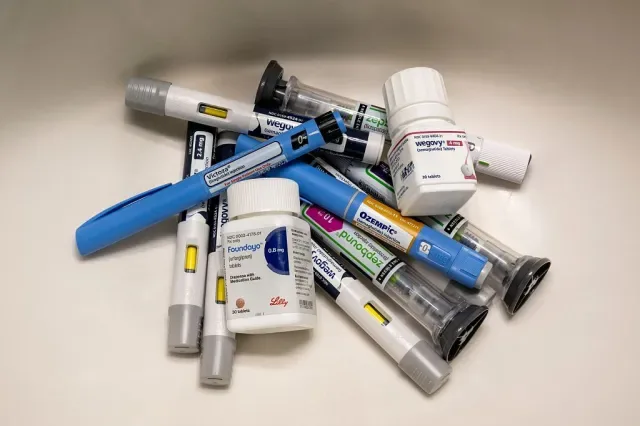
Which GLP-1 Works Best? New Meta-Study Puts Medications Head-to-Head
A comprehensive meta-analysis from the University of Georgia compares three major GLP-1 medications. Discover which drug offers the highest weight loss efficacy and what the data means for patients.
8 min read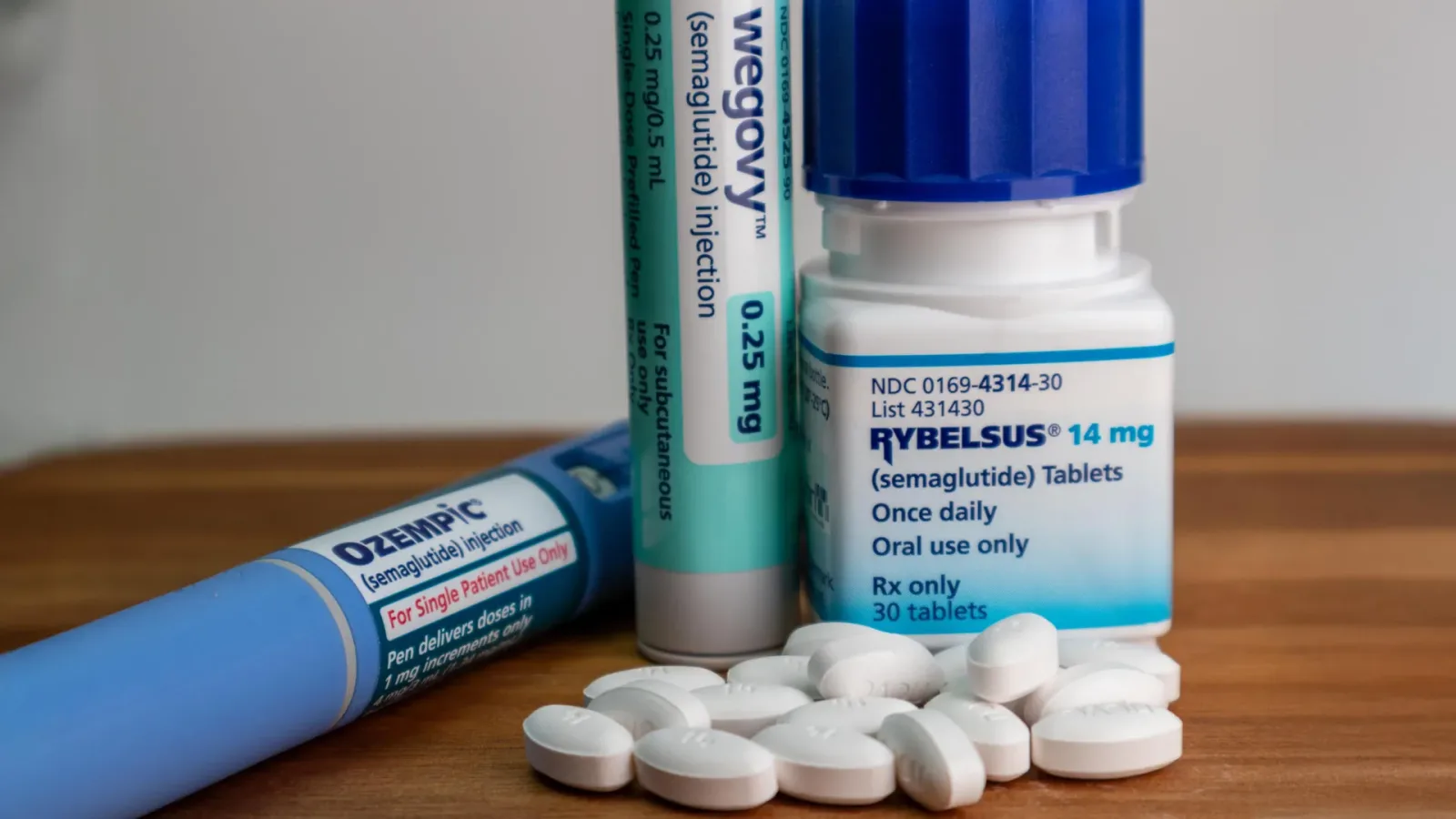
Popular Weight-Loss Drugs Ozempic and Wegovy May Slow Biological Aging
A new clinical trial suggests that semaglutide, the active ingredient in Ozempic and Wegovy, may help slow biological processes associated with aging in adults with HIV.
8 min read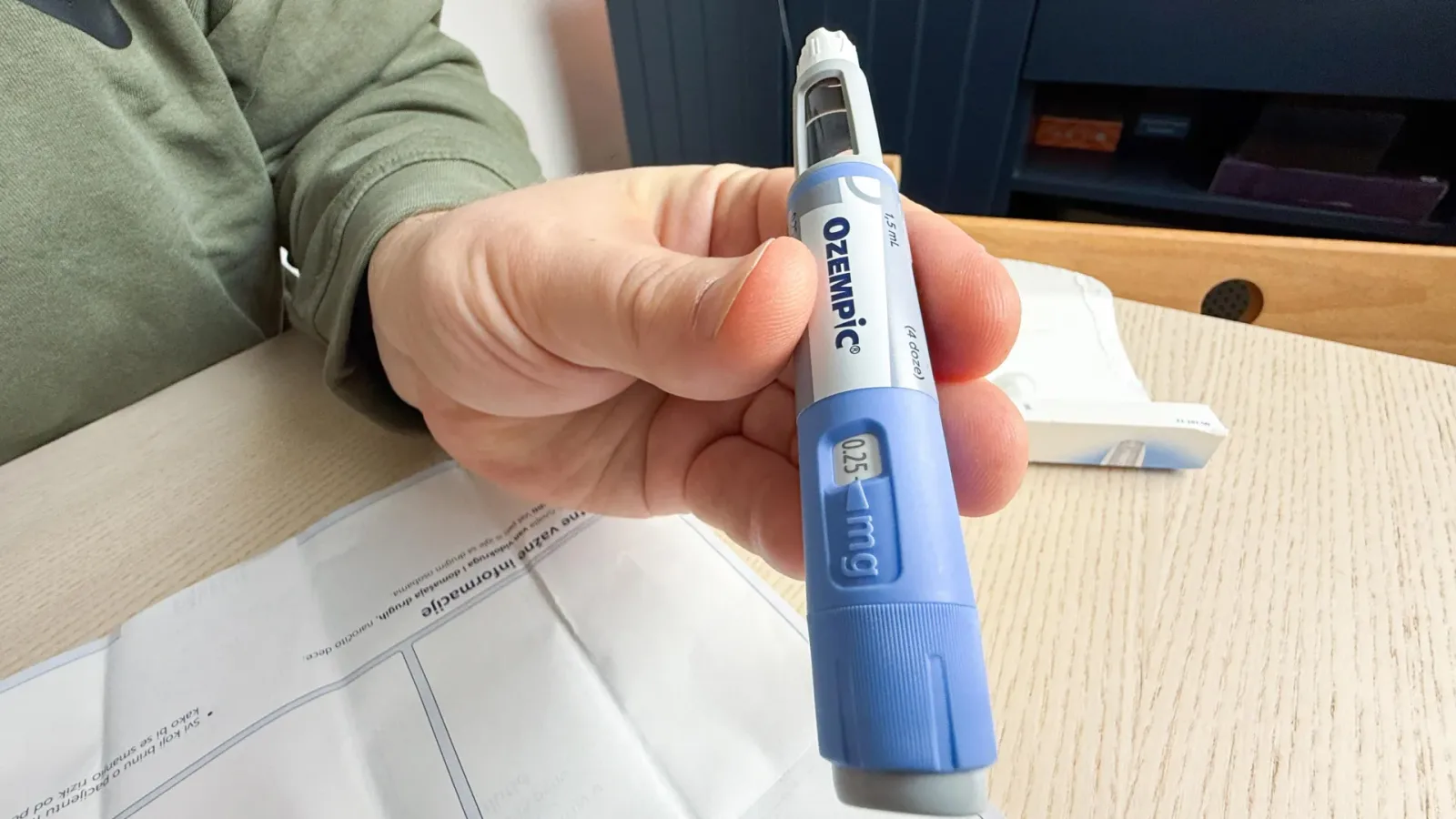
Ozempic and Similar Weight-Loss Medications Linked to 30% Lower Breast Cancer Risk
A major study from Penn Medicine reveals a potential link between GLP-1 medications like Ozempic and a significant reduction in breast cancer risk, offering new hope for preventive care.
7 min read