
Peptide COA and Lab Report Checklist
How to Read Results
Use this peptide COA checklist to review identity, purity, concentration reporting, and lot traceability with fewer interpretation errors.
Read the Full Report, Not Just the Number
A certificate of analysis is only useful if you can confirm what it actually measured, which lot it applies to, and whether the method section is complete.
Treat the report as a documentation tool, not as proof that every batch behaves the same. If the batch number, date, method, or lab information is missing, treat the report as incomplete.
What to Check First
Start with identity, lot number, date, and the exact sample description. Those details should match the vial in your hand.
Then look for purity or impurity information, concentration or strength reporting, and the analytical method used to obtain the result. If the report mixes those concepts together, ask for a clearer version before you rely on it.
COA Checklist
When to Be Cautious
Be cautious if the report lacks a clear method section, if the lot number does not match the package, or if the lab name and contact information are missing.
If a seller uses a COA to make a strong safety claim without showing the exact methods and sample details, ask for the original report before you trust it.
Guide FAQs
A practical checklist for checking identity, purity, quantity, and lot traceability on a peptide report.
Yes. Shotlee supports tracking doses, side effects, and health metrics. It is free.
Track Your Peptide Batches in Shotlee
Free dose logging, side effect tracking, and health metric monitoring for your complete protocol.
📚References & sources
Latest on peptide coa lab report checklist
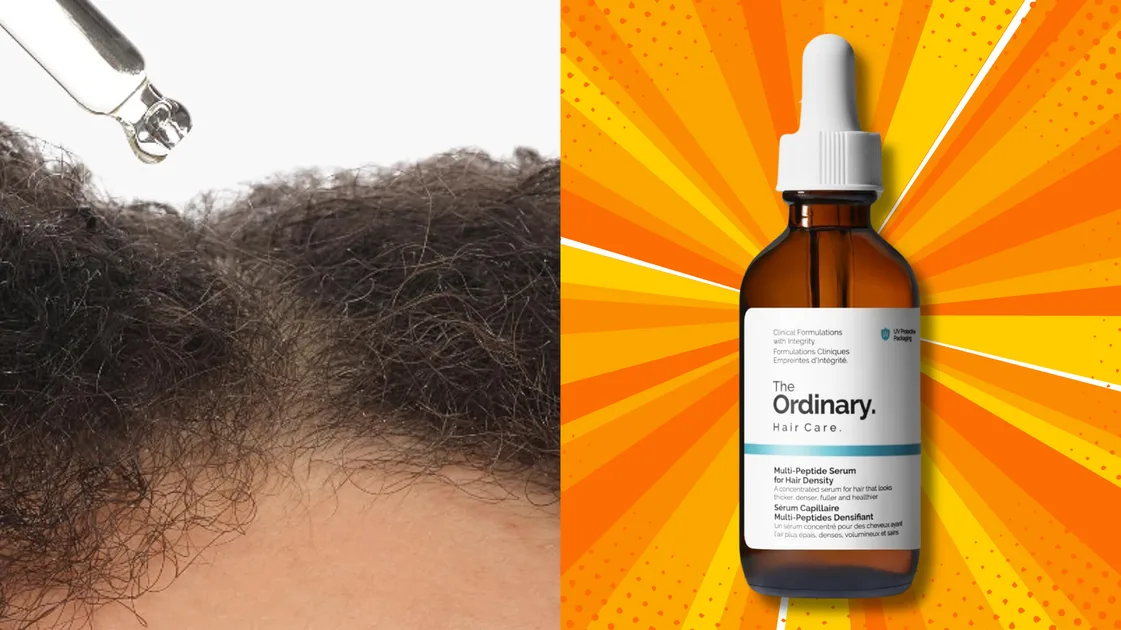
Peptides for Hair Loss: A Derm-Approved Ingredient for Thicker Hair
Discover how peptides, a common skincare ingredient, are making waves in hair loss treatment. This article delves into the science behind peptides and their potential to promote a healthier scalp and fuller-looking hair.
9 min read
Anandita Sundar's 7-Year Weight Loss Journey and Body Shaming
Anandita Sundar opens up about her seven-year weight loss journey, highlighting the profound impact of body shaming on mental health and her commitment to prioritizing well-being over societal expectations.
7 min read
Plus-Size Swimsuit Model on Inclusivity Amidst GLP-1 Medications
Plus-size model Hunter McGrady shares her concerns about a perceived decline in fashion inclusivity, particularly in the context of the growing popularity of GLP-1 weight loss medications.
7 min read