
GLP-1 and Pancreatitis Risk
Semaglutide, Tirzepatide
GLP-1 and pancreatitis — does semaglutide cause pancreatitis? SUSTAIN and SURPASS trial safety data, FDA post-marketing reports, risk factors.
What Trial Data Shows About Semaglutide & Pancreatic Safety (2026)
GLP-1 medications carry a warning for pancreatitis risk in their labeling — but large cardiovascular outcomes trials (SUSTAIN-6, LEADER, SELECT) have not confirmed a significant pancreatitis signal beyond background rates.
The FDA has noted post-marketing reports of acute pancreatitis with GLP-1 agonists. Pre-existing pancreatitis risk factors (gallstones, alcohol use, hypertriglyceridemia) are critical considerations. Understanding the evidence — distinguishing label caution from established causation — allows informed decision-making for semaglutide and tirzepatide users.
GLP-1 Pancreatitis — Evidence Summary
Evidence Source Drug(s) Pancreatitis Finding
GLP-1 Pancreatitis — Context and Management
The pancreatitis concern with GLP-1 medications originated from early post-marketing case reports and animal studies suggesting GLP-1 receptor stimulation in acinar cells might promote pancreatic inflammation.
This led to FDA label warnings across all GLP-1 agonists. However, subsequent large randomized controlled trials — which are the gold standard for causality — have not confirmed a statistically significant pancreatitis risk above placebo rates.
The SUSTAIN-6 trial (3,297 patients), LEADER trial (9,340 patients), and SURPASS trials all showed very low pancreatitis rates with no significant difference from comparators. The challenge is that T2D patients and obese patients already have higher baseline pancreatitis risk from gallstones, hypertriglyceridemia, and metabolic dysfunction — making confounding a major issue in observational studies.
Current expert consensus: GLP-1-associated pancreatitis is likely very rare and may be confounded by underlying risk factors rather than reflecting direct drug causality.
While GLP-1 pancreatitis risk appears low in trials, certain patient profiles warrant extra caution.
Risk factors that should prompt discussion with your physician before starting GLP-1 therapy: (1) History of acute or chronic pancreatitis — GLP-1 medications are contraindicated in patients with prior pancreatitis in most guidelines; (2) Hypertriglyceridemia (triglycerides >500 mg/dL) — a major independent pancreatitis trigger; (3) Gallstones (cholelithiasis) — the most common cause of acute pancreatitis, and GLP-1 medications increase gallstone risk via rapid weight loss; (4) Heavy alcohol use — the second most common pancreatitis cause; (5) Family history of hereditary pancreatitis.
For patients without these risk factors, GLP-1 medications have a favorable safety profile. Management: Stop GLP-1 medications immediately if acute pancreatitis is suspected (sudden severe epigastric pain radiating to the back, elevated lipase/amylase) and seek urgent medical care.
Vital Protocol FAQs
Based on current clinical trial evidence, semaglutide (Ozempic/Wegovy) does not cause a statistically significant increase in pancreatitis risk compared to placebo in large randomized controlled trials.
The SUSTAIN-6 cardiovascular outcomes trial with over 3,000 patients showed no significant pancreatitis difference between semaglutide and placebo. However, the FDA label does include pancreatitis as a Warning based on post-marketing case reports.
The important context: patients on GLP-1 medications (typically T2D and obese patients) already have elevated baseline pancreatitis risk from gallstones, high triglycerides, and other metabolic factors.
Post-marketing cases may reflect this underlying patient risk rather than true drug causality. Practical guidance: patients with prior pancreatitis should generally avoid GLP-1 medications; all GLP-1 users should know pancreatitis symptoms and stop the medication immediately if they experience severe, sudden epigastric pain.
Pancreatitis symptoms to watch for during GLP-1 therapy include: (1) Severe, sudden-onset epigastric (upper abdominal) pain — often described as a "boring" or "drilling" pain.
(2) Pain radiating to the back — characteristic of pancreatic involvement. (3) Pain worsening with eating or lying flat, improving slightly when leaning forward. (4) Nausea and vomiting — important distinction: GLP-1-related nausea is dose-dependent, improves over weeks, and is not typically severe.
Pancreatitis-associated nausea is sudden, severe, and accompanies significant abdominal pain. (5) Fever and elevated heart rate in severe cases. (6) Elevated lipase and amylase on blood tests. If you experience sudden severe upper abdominal pain on GLP-1 therapy — especially if it radiates to the back and is accompanied by vomiting — stop the medication and seek emergency medical care immediately.
Do not delay, as severe pancreatitis can be life-threatening.
Patients with a history of acute or chronic pancreatitis should generally not use GLP-1 receptor agonists, including semaglutide (Ozempic/Wegovy) and tirzepatide (Mounjaro/Zepbound).
This contraindication is based on: (1) The theoretical mechanism of GLP-1 receptor activation in pancreatic acinar cells, which could potentially promote inflammation in a sensitized pancreas; (2) FDA label warnings; (3) Medical society guidelines recommending avoiding GLP-1s in patients with prior pancreatitis.
However, if you have had a single episode of gallstone pancreatitis many years ago with the gallbladder removed and no recurrence, some clinicians may consider GLP-1 therapy with careful monitoring — this requires individualized risk-benefit discussion with a physician.
For patients who need pharmacological treatment for T2D or obesity but have pancreatitis history, alternative medication classes (SGLT-2 inhibitors, metformin, naltrexone-bupropion) do not carry pancreatitis contraindications and may be preferable.
Why Track This Protocol with Shotlee
Clinical Evidence GLP-1 and Pancreatitis protocols are supported by clinical research — Shotlee helps you track your own data against published benchmarks. Protocol Tracking Log each dose with exact timing and amount.
Consistent records help you and your provider optimize your protocol. Outcome Monitoring Track your key metrics before and during treatment. Objective data leads to better decisions than memory alone. Side Effect Log Record reactions immediately after each dose.
Pattern detection prevents minor issues from becoming serious problems. Progress Trends Shotlee charts your data over weeks and months — see long-term trends that individual data points can hide. Data-Driven Dosing Your logged data tells you what works.
Use Shotlee charts to make evidence-based adjustments to dose and timing.
Guide FAQs
GLP-1 and pancreatitis — does semaglutide cause pancreatitis? SUSTAIN and SURPASS trial safety data, FDA post-marketing reports, risk factors.
Yes. Shotlee supports tracking doses, side effects, and health metrics. It is free.
Track Your GLP-1 Protocol in Shotlee
Free dose logging, side effect tracking, and health metric monitoring for your complete protocol.
📚References & sources
Latest on GLP-1 And Pancreatitis
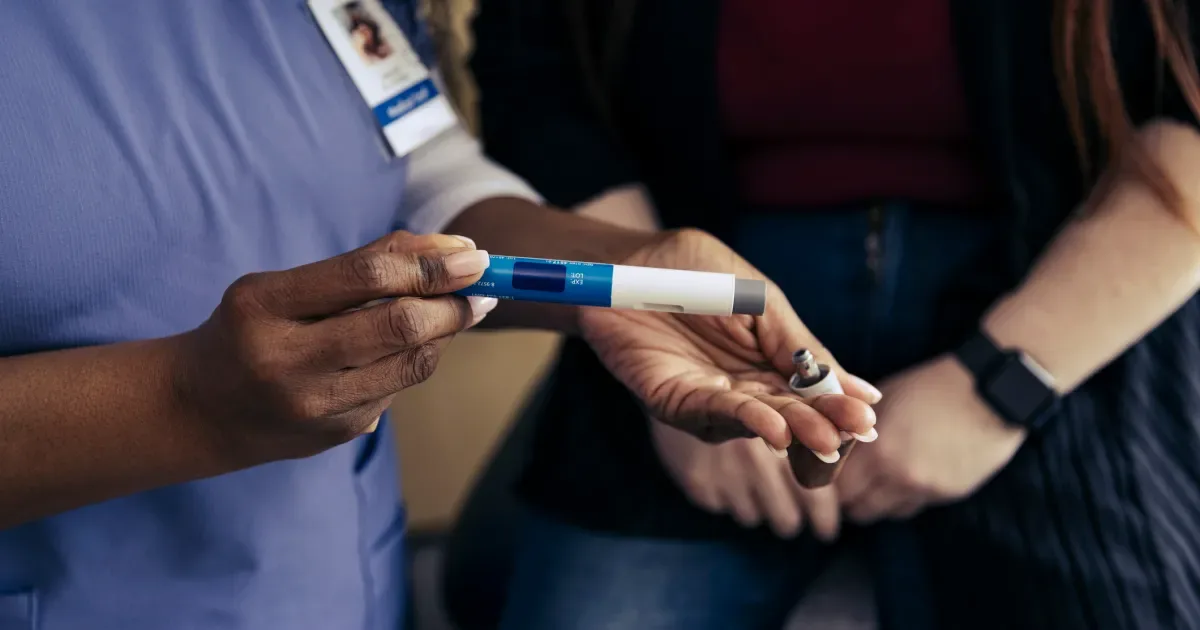
Beyond BMI: Hidden Health Reasons Doctors May Decline Mounjaro or Wegovy
While BMI is a primary factor, a range of underlying health conditions and personal histories can lead to a doctor declining a prescription for popular weight loss medications like Mounjaro and Wegovy. Understanding these criteria is vital before seeking treatment.
7 min read
Beyond Nausea: Unpacking the Unexpected Side Effects of GLP-1s
While GLP-1 medications have revolutionized weight loss and diabetes management, their powerful effects can lead to surprising side effects beyond the commonly known nausea and digestive issues. This article delves into these less-discussed risks, from dental health concerns to serious gastrointestinal complications, and offers practical advice for patients and healthcare providers.
9 min read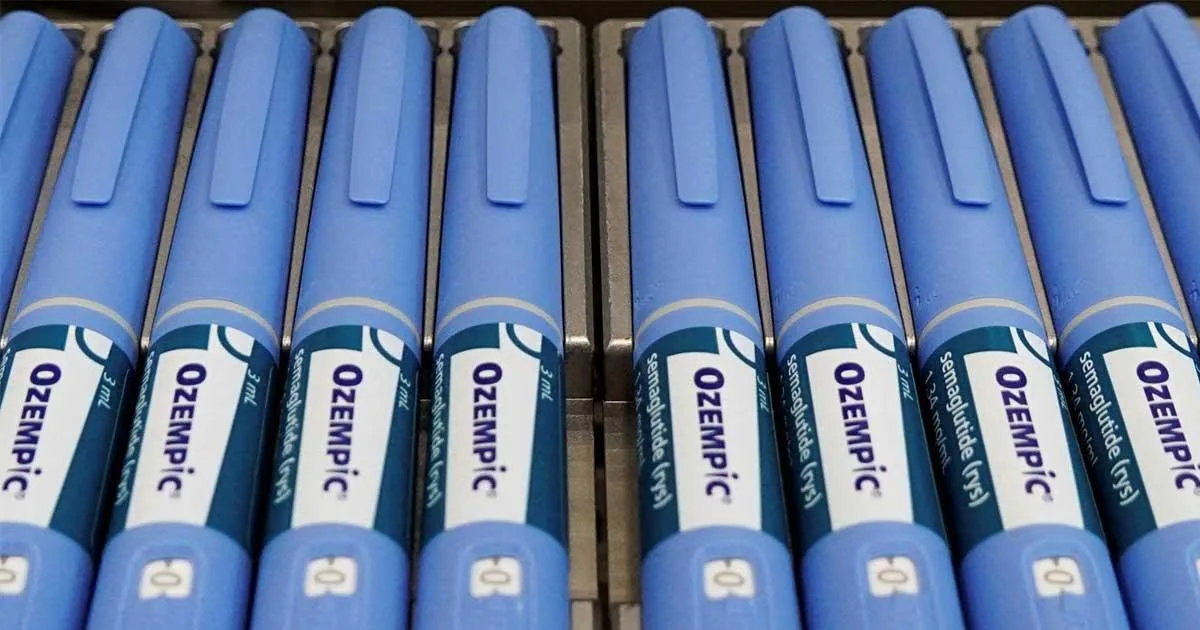
GLP-1 Slimming Drugs Boom Sparks Misuse Concerns in India
The surge in GLP-1 weight-loss injections like semaglutide in India, fueled by prices dropping up to 90%, is alarming doctors amid rising cosmetic misuse by young women. Social media and wedding pressures are pushing unsupervised use, risking serious side effects. Experts stress these are prescription therapies for obesity, not quick fixes.
5 min read