
GLP-1 Medications and Menopause
Complete Guide & Evidence (2026)
Learn how GLP-1 medications like Ozempic and Wegovy work during menopause and perimenopause.
Why Menopause Makes Weight Loss Harder
The menopausal transition is one of the most metabolically significant events in a woman's life. As estrogen levels decline — beginning in perimenopause, typically in the mid-to-late 40s — a cascade of metabolic changes accelerates fat gain and makes weight loss increasingly difficult through conventional means alone.
Estrogen plays a critical role in regulating where the body stores fat. When estrogen falls, fat redistribution occurs: subcutaneous fat (under the skin) decreases while visceral fat (surrounding abdominal organs) increases dramatically. This abdominal fat accumulation is far more metabolically active and harmful than subcutaneous fat — it drives insulin resistance, inflammation, elevated triglycerides, and cardiovascular risk.
Population studies consistently show women gain an average of 5-8 lbs during the menopausal transition, even with no changes to diet or exercise habits. Resting metabolic rate declines, muscle mass decreases (sarcopenia accelerates), and insulin sensitivity worsens — a perfect storm for weight gain that resists traditional calorie restriction approaches.
This is exactly where GLP-1 receptor agonists become valuable: they directly target insulin resistance and appetite regulation — two mechanisms that are particularly dysregulated in menopause. Postmenopausal women often have higher baseline insulin resistance, making them excellent candidates for GLP-1 therapy from a physiological standpoint.
How GLP-1 Medications Work During Menopause
GLP-1 receptor agonists work by mimicking the glucagon-like peptide-1 hormone, which is naturally secreted by intestinal cells after eating. They slow gastric emptying (food stays in your stomach longer, increasing satiety), reduce appetite by acting on hypothalamic hunger centers, and improve insulin sensitivity in peripheral tissues. All three mechanisms are particularly beneficial in the menopausal metabolic environment.
Some sub-group analyses from major trials (STEP-1, SURMOUNT-1) suggest that postmenopausal women may have a slightly lower average weight loss response compared to premenopausal women — roughly 10-12% vs 12-15% body weight reduction. However, this difference is modest, and most postmenopausal women still achieve clinically meaningful weight loss that improves metabolic health, cardiovascular risk, and quality of life substantially.
The slightly attenuated response may reflect the fact that menopausal hormonal changes independently suppress GLP-1 secretion and signaling. This is one theoretical rationale for why the combination of HRT and GLP-1 therapy might outperform either alone — though large-scale prospective studies of this combination are still ongoing.
HRT and GLP-1 Combination: A Potential Synergy
Injection Timing, Hot Flashes, and Nausea
Some women in menopause report that GLP-1 side effects — particularly nausea — interact with hot flash symptoms in ways that can be challenging. Hot flashes already cause significant discomfort and disrupted sleep, and nausea from a new GLP-1 injection can compound this in the first few weeks of therapy.
Practical strategies that menopausal women have found helpful include injecting on Friday evenings (nausea peaks around 24-48 hours post-injection, so the worst symptoms coincide with a lower-stakes weekend), taking the injection before bedtime so nausea is experienced during sleep, staying well-hydrated, and eating small, bland meals on injection day. Hot flash severity can sometimes temporarily worsen with nausea — managing both with your doctor is important.
Nausea from GLP-1 medications typically peaks in the first 4-8 weeks and substantially improves at each dose level as the body adapts. Most women find that by week 8-12, nausea is mild and manageable. Tracking when you inject, when nausea occurs, and its severity in Shotlee helps you and your doctor identify optimal injection timing patterns specific to your body.
What to Track in Shotlee as a Menopausal GLP-1 User
Menopause adds complexity to GLP-1 therapy. Shotlee helps you track what matters most so you and your healthcare team can make informed adjustments over time.
Guide FAQs
Learn how GLP-1 medications like Ozempic and Wegovy work during menopause and perimenopause.
Yes. Shotlee tracks GLP-1 and peptide doses, side effects, weight, and lab results — free to use.
PubMed, ClinicalTrials.gov, and the FDA website are the most reliable sources for current Glp1 And Menopause research and regulatory updates. Peer-reviewed journals including the New England Journal of Medicine, The Lancet, and JAMA publish the most impactful clinical trial results. This guide is updated regularly to reflect the latest available evidence. Use Shotlee to track your personal protocol outcomes alongside the published research.
Before starting Glp1 And Menopause, establish baseline measurements including body weight, waist circumference, blood pressure, and relevant lab work with your healthcare provider. Download Shotlee and begin logging your baseline metrics at least one week before starting treatment. This pre-treatment data provides the comparison point needed to objectively evaluate your treatment response over time. Additionally, discuss potential side effects and management strategies with your prescriber so you are prepared for the initial adaptation phase.
Evidence-based lifestyle modifications that complement Glp1 And Menopause protocols include: maintaining adequate protein intake (1.2-1.6g per kg body weight per day) to preserve lean mass, performing resistance training two to three times per week, staying well hydrated with at least eight glasses of water daily, prioritizing seven to nine hours of quality sleep, managing stress through regular physical activity or mindfulness practices, and eating smaller more frequent meals during dose titration phases. Track these lifestyle factors alongside your Glp1 And Menopause data in Shotlee to identify which combinations drive your best results.
Track Your GLP-1 Protocol in Shotlee
Free dose logging, side effect tracking, and health metric monitoring for your complete protocol.
📚References & sources
Latest on GLP-1 And Menopause
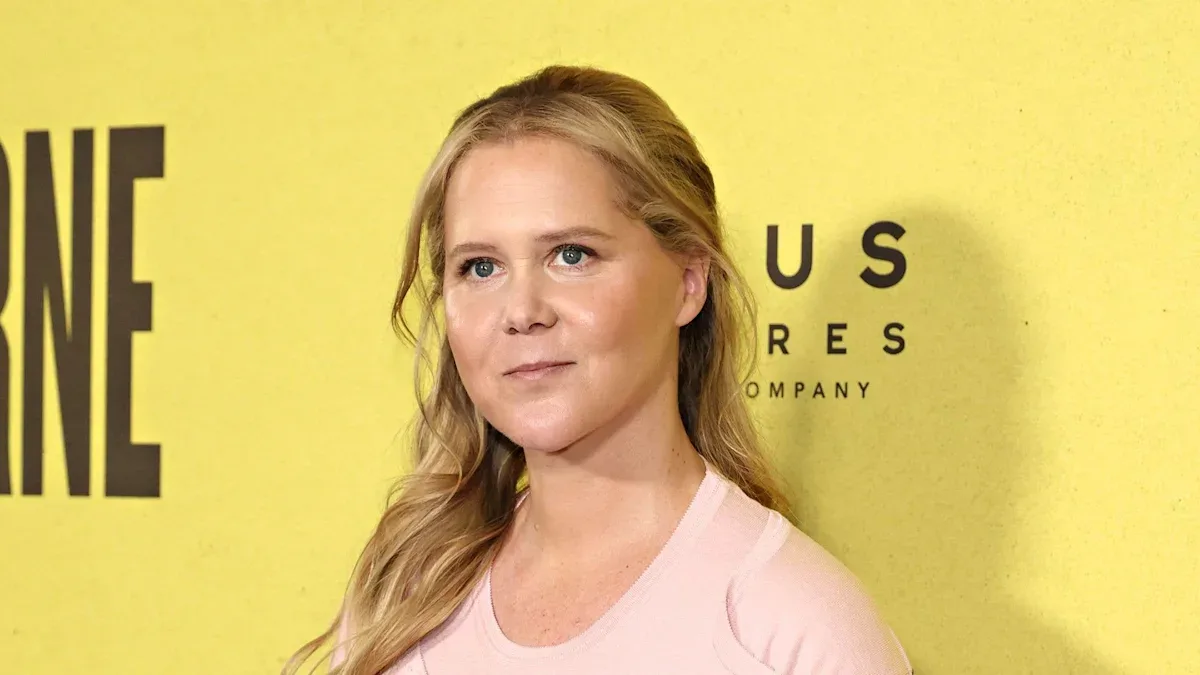
Amy Schumer Highlights C-Section Scar After Weight Loss Journey: 'I'm a Warrior'
Amy Schumer, known for her candidness, recently shared a powerful image highlighting her C-section scar, a testament to her strength and resilience throughout her health and weight loss journey.
6 min read
Beyond the Pen: Navigating Weight Loss & Societal Pressures with GLP-1s
Discover how GLP-1 medications are transforming lives, offering significant weight loss and improved self-esteem. This article delves into the personal victories and the broader societal implications, including the persistent pressures on women's bodies.
8 min read
GLP-1s and Menopause: Expert Warns of Accelerated Bone Loss Risk
The collision of rapid weight loss driven by GLP-1 medications like Wegovy and Mounjaro with the natural bone density decline of menopause creates a significant, under-discussed risk for women's skeletal health.
6 min read