
GLP-1 and Fertility
Ozempic, Semaglutide & Pregnancy
Understand how GLP-1 medications like Ozempic and Wegovy affect fertility in women and men, when to stop before trying to conceive.
How Semaglutide & Tirzepatide Affect Reproductive Health
GLP-1 medications improve fertility markers by reducing insulin resistance, restoring ovulatory cycles, and supporting weight loss — with critical implications for conception planning and contraception during treatment.
How GLP-1 Medications Improve Fertility
The relationship between body weight and fertility is well established. Obesity disrupts the hypothalamic-pituitary-ovarian axis in women, suppressing the normal hormonal signals that trigger ovulation.
In men, excess adipose tissue converts testosterone to estrogen, reducing sperm production and motility. GLP-1 receptor agonists address these problems primarily through medically significant weight loss.
Studies consistently show that weight loss of just 5% of body weight is sufficient to restore ovulatory cycles in a significant proportion of women with obesity-related anovulation. At 10% weight loss, the majority of women experience normalization of menstrual cycles.
GLP-1s — particularly semaglutide and tirzepatide — produce average weight losses of 15–22% in clinical trials, well above the threshold needed to restore reproductive function. In men, GLP-1-driven weight loss has been shown to significantly increase total and free testosterone, reduce estradiol, improve sperm motility and morphology, and restore libido.
These improvements emerge within 3–6 months of meaningful weight loss and continue to deepen as weight reduction progresses.
Critical Fertility Considerations
Stop 2 Months Before Trying to Conceive
No adequate safety studies exist in human pregnancy. Novo Nordisk and Eli Lilly recommend stopping GLP-1 medications at least 2 months before attempting conception to ensure drug washout.
Oral Contraceptives May Be Less Effective
GLP-1s slow gastric emptying, which can reduce the absorption of oral contraceptive pills. Non-oral contraception (IUD, injection, patch) is recommended during therapy.
Male Fertility Benefits
GLP-1-mediated weight loss helps restore normal testosterone levels, improves sperm parameters, and enhances erectile function in men who are overweight or obese.
Pre-Conception Weight Loss Protocol
Optimal approach: use GLP-1 therapy to achieve target weight, taper off, allow a 2-month washout, and then attempt conception at a healthier body weight.
What to Track on Your Fertility Journey
Whether you are using GLP-1 therapy as a pre-conception weight loss tool or monitoring your reproductive health during treatment, systematic tracking gives you and your healthcare team the data needed to optimize your plan.
Shotlee makes it easy to log injections, body weight, and notes in one place.
GLP-1 Dosing Reference
GLP-1 Drug Starting Dose Maintenance Dose Administration
Start Tracking Your GLP-1 Protocol
Track every dose, monitor your progress, and optimize your GLP-1 outcomes with Shotlee — the free app built for GLP-1 users. 🚀 Use Shotlee for Free GLP-1 Tracker GLP-1 & PCOS Ozempic Tracker Wegovy Tracker
Guide FAQs
Understand how GLP-1 medications like Ozempic and Wegovy affect fertility in women and men, when to stop before trying to conceive.
Yes. Shotlee supports tracking doses, side effects, and health metrics. It is free.
Track Your GLP-1 Protocol in Shotlee
Free dose logging, side effect tracking, and health metric monitoring for your complete protocol.
📚References & sources
Latest on GLP-1 And Fertility
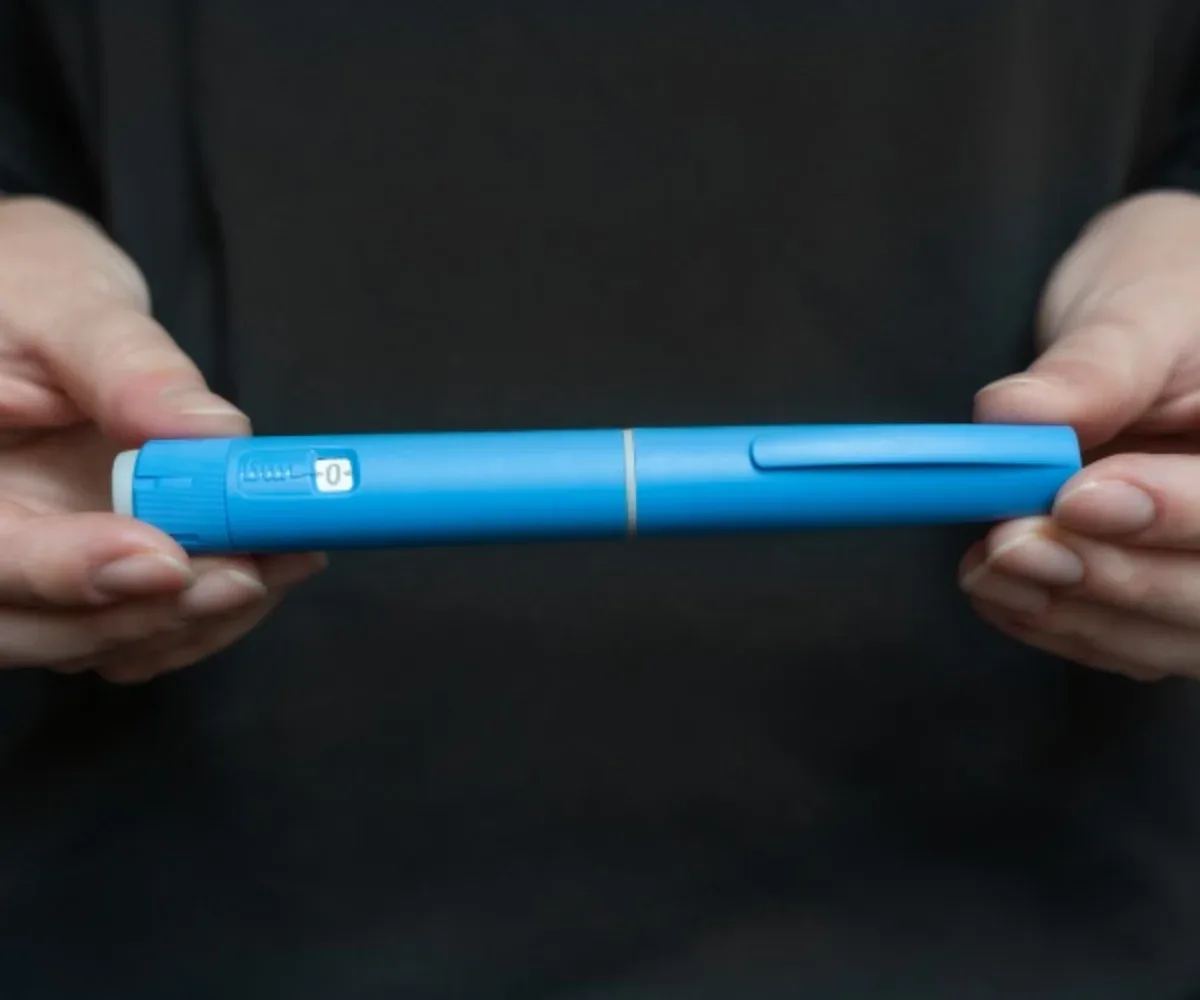
Ozempic and Testosterone: Does Weight Loss Drive Sperm Quality Gains?
A comprehensive review of clinical trials suggests that GLP-1 medications may offer reproductive benefits for men with obesity-related low testosterone, potentially surpassing traditional hormone replacement therapies.
7 min read
Ozempic and Male Fertility: Can Semaglutide Boost Sperm Quality?
Emerging research indicates that GLP-1 medications, including Ozempic and Mounjaro, may offer unexpected benefits for male reproductive health by addressing underlying metabolic issues.
7 min read
Semaglutide and Male Fertility: New Study Reveals Testosterone Boost
Can GLP-1 medications like Ozempic or Wegovy improve male fertility? A new study indicates potential benefits for testosterone and sperm health, but what does this mean for patients?
7 min read