
Compounded GLP-1 in
Safety, Legal Status
A practical 2026 guide to compounded GLP-1 safety and legal status. Learn risk controls, documentation checks, and how to track outcomes in Shotlee.
Safety and legal status with a clear risk-control workflow
The compounded GLP-1 landscape changed quickly in 2025 and 2026. This page focuses on operational safety: what to verify before use, what to document every week, and how to make decisions from objective trend data instead of guesswork.
What to evaluate before starting
Execution quality, not novelty, usually determines outcome quality. Keep the protocol simple, measurable, and reviewable every week. When variables change, tag the change and monitor the next 7 to 14 days as a dedicated observation window before making additional adjustments.
Safety and legal checklist
This aspect of the Compounded Glp1 2026 Safety And Legal Status protocol is particularly important for users who are tracking their response data systematically. Documenting your experience at each stage provides the longitudinal evidence needed to evaluate protocol effectiveness and make informed adjustments. Shotlee captures these data points automatically, building a comprehensive record that supports evidence-based decision making with your healthcare provider.
Decision matrix
Control Why it matters What to track Escalation trigger
This aspect of the Compounded Glp1 2026 Safety And Legal Status protocol is particularly important for users who are tracking their response data systematically. Documenting your experience at each stage provides the longitudinal evidence needed to evaluate protocol effectiveness and make informed adjustments. Shotlee captures these data points automatically, building a comprehensive record that supports evidence-based decision making with your healthcare provider.
Execution playbook
This aspect of the Compounded Glp1 2026 Safety And Legal Status protocol is particularly important for users who are tracking their response data systematically. Documenting your experience at each stage provides the longitudinal evidence needed to evaluate protocol effectiveness and make informed adjustments. Shotlee captures these data points automatically, building a comprehensive record that supports evidence-based decision making with your healthcare provider.
How Shotlee helps
shotleeFeatures
Guide FAQs
A practical 2026 guide to compounded GLP-1 safety and legal status. Learn risk controls, documentation checks, and how to track outcomes in Shotlee.
Yes. Shotlee supports tracking doses, side effects, and health metrics. It is free.
Track Your Compounded GLP-1 Protocol in Shotlee
Free dose logging, side effect tracking, and health metric monitoring for your complete protocol.
📚References & sources
Latest on Compounded GLP-1
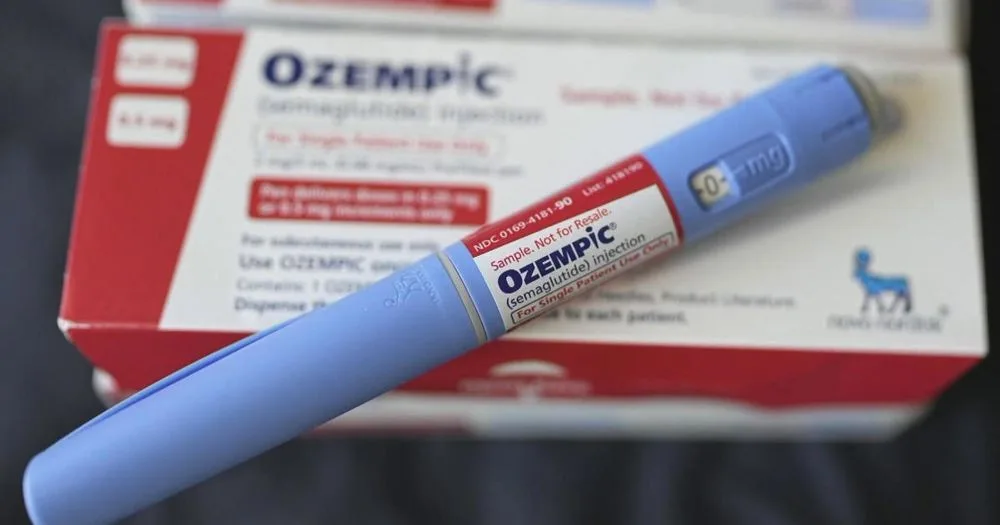
Ozempic, Mounjaro & Compounded GLP-1s: South Africa's Regulatory Crackdown
South Africa's regulatory bodies are taking decisive action against the booming market for compounded GLP-1 weight-loss drugs, including versions of Ozempic and Mounjaro. This crackdown highlights significant safety concerns and potential risks to public health.
8 min read
Obesity Drug Coverage Restrictions Force Patients to Pivot
Tight insurance restrictions on obesity drugs are turning doctors into financial advisors and patients into strategists. With coverage limits on Zepbound favoring Wegovy, many are pivoting to compounded alternatives at $300/month versus $450 for brand names. Explore the real challenges and solutions from experts and patients.
5 min read
RFK Jr.'s Peptide Policy Could Boost Hims & Hers GLP-1 Shift
Shares of Hims & Hers surged after HHS Secretary RFK Jr. revealed FDA plans to review peptides for compounding under the 503A bulk list. This comes as the telehealth leader evolves its high-margin compounded GLP-1 business toward branded options and new peptide therapies. CEO Andrew Dudum and CMO Dr. Patrick Carroll highlight the potential for regulated, physician-led peptide access.
6 min read