BPC-157 Oral Guide
Arginine Salt Dosing
BPC-157 oral arginine salt guide — acid-stable oral form for gut healing, IBS, IBD, and leaky gut.
Acid-Stable Oral BPC-157 — Gut Healing, IBS & IBD Guide (2026)
BPC-157 Arginine Salt is the oral-bioavailable form of Body Protection Compound-157, a 15-amino-acid peptide derived from human gastric juice. The arginine salt modification protects BPC-157 from gastric acid degradation, enabling effective oral administration for gastrointestinal applications.
Doses of 250–500 mcg taken twice daily (with or without food) allow direct contact of the peptide with the gut epithelium — ideal for gut healing, leaky gut, IBS, IBD, and NSAID-induced GI damage. Shotlee allows free tracking of oral BPC-157 protocols with symptom logs and GI health ratings.
BPC-157 Oral vs Injectable — Comparison
Parameter BPC-157 Oral (Arginine Salt) BPC-157 Injectable (SC/IM)
BPC-157 Oral — Mechanism and GI Applications
BPC-157 (Body Protection Compound-157) is a 15-amino-acid sequence (Gly-Glu-Pro-Pro-Pro-Gly-Lys-Pro-Ala-Asp-Asp-Ala-Gly-Leu-Val) derived from the stable gastric juice protein BPC.
The native BPC-157 peptide has remarkable inherent stability in gastric acid compared to most peptides — a property that enables oral bioavailability even without the arginine salt modification. The arginine salt form (BPC-157 arginine salt) enhances this stability further: the arginine moiety buffers the peptide against acid degradation, protects the peptide chain from pepsin, and improves solubility in the gastrointestinal environment.
The result is significantly improved oral bioavailability — approximately 30–40% of an oral dose reaches the intestinal mucosa in intact or partially active form. For gastrointestinal applications, this direct mucosal contact is actually advantageous over injectable BPC-157, which distributes systemically before reaching gut tissue.
The mechanisms of BPC-157's GI protective effects: (1) Angiogenesis promotion — BPC-157 upregulates VEGFR2 and stimulates formation of new mucosal blood vessels, restoring blood flow to damaged gut tissue.
(2) Nitric oxide pathway modulation — BPC-157 activates eNOS (endothelial nitric oxide synthase), improving gut microcirculation and reducing ischemic damage to mucosa. (3) Growth factor induction — EGF (epidermal growth factor) and TGF-β are upregulated, promoting epithelial cell proliferation and mucosal barrier repair.
(4) Prostaglandin protection — BPC-157 prevents the prostaglandin depletion caused by NSAIDs, protecting against NSAID-induced gastric ulcers and intestinal permeability. (5) Tight junction protein restoration — BPC-157 helps restore claudin, occludin, and ZO-1 expression at epithelial tight junctions, directly addressing leaky gut pathophysiology.
Oral BPC-157 arginine salt has emerged as a leading peptide intervention for gastrointestinal conditions based on its direct mucosal delivery advantage.
Key applications: (1) Irritable Bowel Syndrome (IBS): BPC-157's anti-inflammatory and motility-normalizing effects in animal models address both IBS-D (diarrhea predominant) and IBS-C (constipation predominant) by normalizing smooth muscle function and reducing visceral hypersensitivity.
Patients typically report reduced cramping, bloating, and stool urgency within 2–4 weeks of consistent dosing. (2) Inflammatory Bowel Disease (IBD): In Crohn's disease and ulcerative colitis animal models, BPC-157 significantly reduced histological inflammation scores, mucosal ulceration, and cytokine production (IL-6, TNF-α, IL-1β).
Human data is limited but case reports describe symptomatic improvement in IBD patients who oral BPC-157 alongside their prescribed IBD medications. (3) Leaky Gut/Intestinal Permeability: BPC-157's tight junction restoration effects make it a logical intervention for leaky gut syndrome — a pattern of increased intestinal permeability that allows bacterial endotoxins and food antigens to translocate across the gut barrier, driving systemic inflammation.
(4) NSAID-Induced GI Damage: Extensive animal research shows BPC-157 prevents and heals NSAID-induced gastric ulcers, small intestinal injury, and associated bleeding. This is one of the most replicated findings in BPC-157 research, validated across multiple NSAID types (aspirin, indomethacin, celecoxib).
(5) GERD/Esophageal Reflux: BPC-157 promotes lower esophageal sphincter tone and reduces mucosal inflammation — potentially beneficial for GERD management alongside standard interventions. Track GI symptoms daily in Shotlee — bowel regularity, bloating, cramping, stool consistency — alongside oral BPC-157 doses to identify your personal response timeline.
Vital Protocol FAQs
Oral BPC-157 arginine salt dosing for gastrointestinal applications: (1) Standard dose: 250–500 mcg per dose, taken twice daily (morning and evening), for a total daily dose of 500 mcg–1 mg.
The twice-daily dosing ensures sustained mucosal contact throughout the day and overnight fasting period. (2) Entry-level dose: Some users start at 250 mcg twice daily (500 mcg/day total) for 2 weeks to assess GI tolerance before increasing to 500 mcg twice daily.
(3) Therapeutic : For active GI conditions (IBS flare, IBD inflammation, post-NSAID recovery), continuous dosing for 4–8 weeks is common, then reducing to a maintenance dose of once daily. For gut health maintenance: 250–500 mcg once daily is adequate for most users.
(4) Timing to food: Take on an empty stomach (30 before eating) for better gut epithelial contact, or with food if GI discomfort occurs. For GERD, taking before a meal ensures mucosal coating during the high-acid post-meal period.
(5) Arginine salt vs regular BPC-157 (for oral use): Arginine salt is meaningfully superior for oral use because of enhanced acid stability; if using regular BPC-157 powder orally, higher doses may be needed to compensate for greater gastric degradation.
When tracking in Shotlee, log dose (mcg), timing to meals, and daily GI symptom scores (bloating 0–10, pain 0–10, stool regularity) to build your personal response profile.
For gastrointestinal applications specifically, oral BPC-157 arginine salt is arguably more effective than injectable BPC-157.
This is because: (1) Direct mucosal contact — orally administered BPC-157 reaches the gut epithelium intact and at higher local concentrations than injectable BPC-157, which must distribute through the bloodstream before reaching gut tissue.
For conditions requiring direct mucosal contact (leaky gut, IBD mucosal healing, NSAID ulcers, GERD), oral delivery is the more logical route. (2) Extended GI exposure — twice-daily oral dosing provides 8–12 hours of ongoing mucosal exposure, versus a single SC or IM injection that provides a pulse of systemic peptide with declining gut tissue concentrations.
(3) Ease of administration — oral capsules or powder require no injection technique, needles, or reconstitution, making adherence and long-term use significantly more practical. For systemic applications — tendon injury, muscle healing, bone fractures, systemic anti-inflammatory effects, neurological applications — injectable BPC-157 is superior because it distributes through the bloodstream to reach non-GI tissues.
Many practitioners recommend a combined approach: oral for GI applications with SC or IM for injury repair or systemic healing. The two routes can be used simultaneously without interference. When tracking in Shotlee, note your route and dose for each entry to distinguish GI response from systemic healing indicators.
Response timelines for oral BPC-157 arginine salt vary by condition and baseline GI health.
General timeline expectations: Days 3–7: Some users with active IBS or gut inflammation notice early symptom changes — reduced bloating, less cramping, or initial stool consistency normalization. These early effects likely reflect BPC-157's rapid anti-inflammatory and nitric oxide-mediated effects on gut smooth muscle and microcirculation.
Weeks 2–4: More significant symptomatic improvement as mucosal healing progresses. Tight junction restoration (leaky gut) and inflammatory cytokine reduction (IBD) take 2–4 weeks of consistent dosing to produce measurable histological change.
Weeks 4–8: Maximum effect from an initial treatment course; most clinical improvements are established by week 8. If minimal improvement by week 6, reassess dose (try increasing to 500 mcg 2x/day if at 250 mcg) or consider whether the presentation may benefit from injectable BPC-157 or combined approaches.
Post-treatment: Gut healing benefits tend to persist after stopping BPC-157, unlike symptomatic medications (antacids, antispasmodics) whose benefits end with cessation. The structural mucosal repair and tight junction restoration produce lasting improvements.
Maintenance: Some users from daily dosing to 3–4 days per week for long-term gut health maintenance after initial therapeutic response. Tracking in Shotlee with daily GI symptom logs allows you to identify exactly when your personal response begins, when you plateau, and whether periodic re-dosing cycles maintain your gut health improvements over time.
Guide FAQs
BPC-157 oral arginine salt guide — acid-stable oral form for gut healing, IBS, IBD, and leaky gut.
Yes. Shotlee supports tracking doses, side effects, and health metrics. It is free.
Track Your BPC-157 Oral Protocol in Shotlee
Free dose logging, side effect tracking, and health metric monitoring for your complete protocol.
📚References & sources
Latest on BPC-157 Oral
Illegal Peptide Shots in Brazil: The Hidden Risks for Expats
Foreign residents in Brazil face a growing grey market of unregulated injectable peptides. Here is what the health regulator Anvisa says about safety and legality.
7 min read
Peptides: Fad or Future? Unpacking the Hype for Skin, Weight Loss & More
From celebrity endorsements to GLP-1 weight loss drugs, peptides are everywhere. But what exactly are they, and can they deliver on their promises for skin health, longevity, and more? This article dives into the science, the trends, and the risks.
7 min read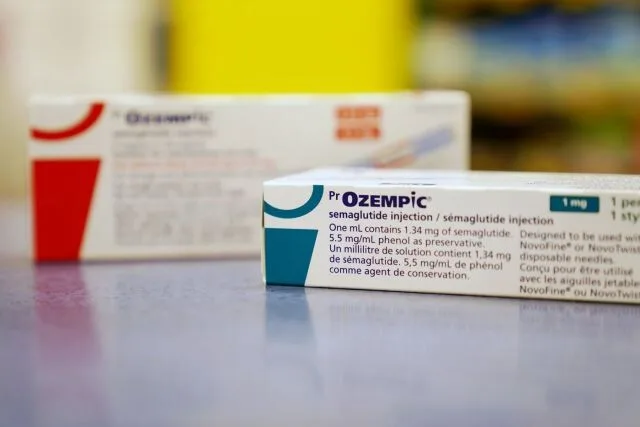
Beyond Ozempic: Exploring the Expanding World of Peptide Therapeutics
Peptides are making waves in health and wellness, driven by the success of medications like Ozempic. This article delves into what peptides are, their growing applications, and the exciting future of peptide therapy.
8 min read