
Key Drug Approvals of 2025 and Their Impact
The medicines and vaccines approved this year highlight how research, perseverance, and a bit of luck can revolutionize treatments. In 2025, significant changes emerged, with diabetes injections showing kidney protection benefits and HIV prevention requiring only two injections annually. Regulators globally approved a series of drugs that showcase scientific innovation and address pressing human needs, offering renewed hope and evidence-based solutions for persistent diseases.
Medicine is evolving beyond pills and injections, enhancing lives in ways previously unimaginable. Here are some noteworthy medications because their impact is evident not just in lab results; patients experience the benefits, clinicians prescribe them, and epidemiologists observe outcome improvements.
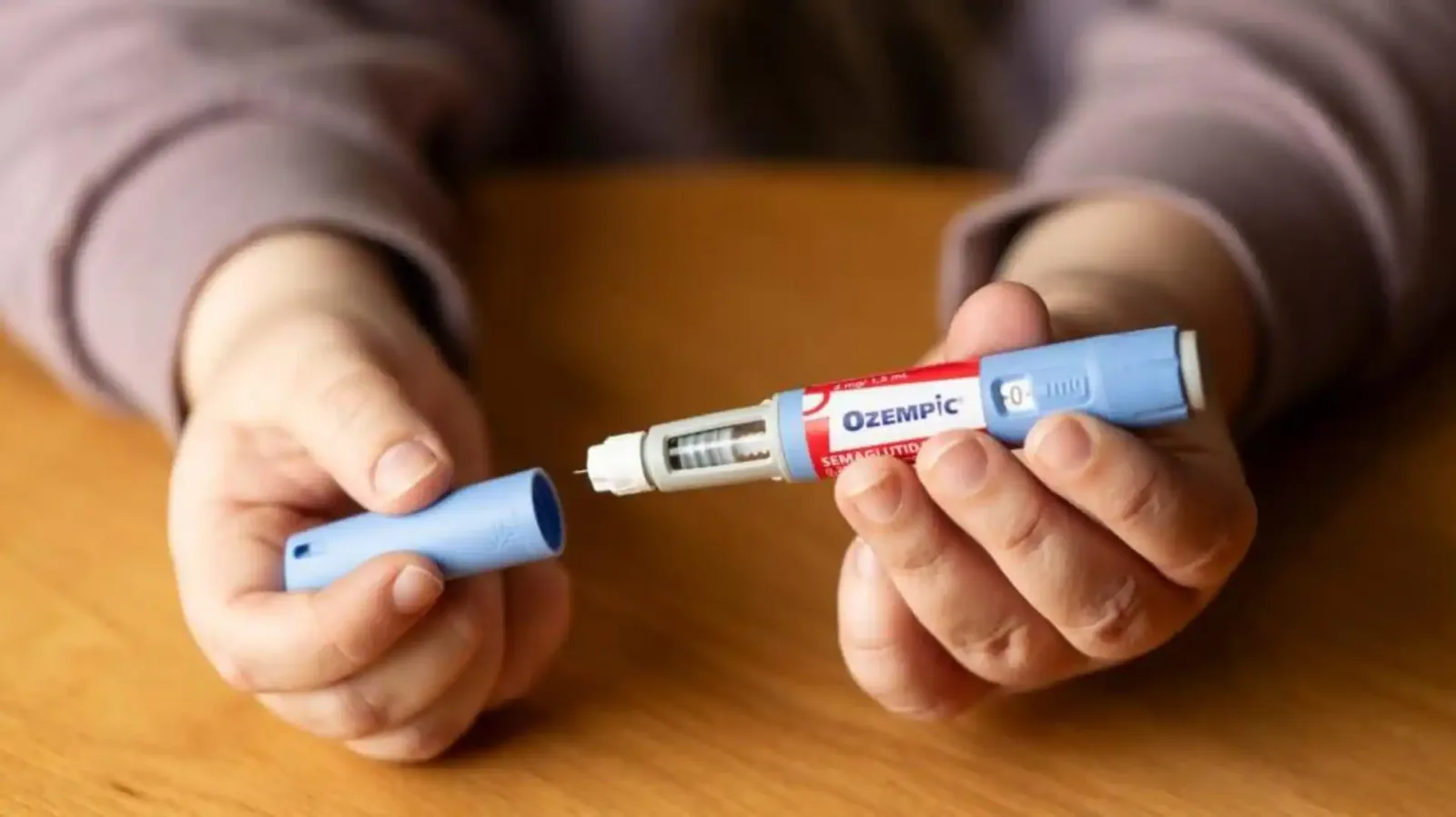
Ozempic (semaglutide)
Semaglutide (Ozempic) expanded its role in 2025, receiving approval to slow the progression of chronic kidney disease and decrease cardiovascular death risk in adults with type 2 diabetes. This development transforms a common diabetes treatment into a therapy that protects organs, supported by phase 3b FLOW trial data. Health tracking apps like Shotlee can help monitor the effects of medications like Ozempic.
Journavx (suzetrigine)
After decades of limited progress, suzetrigine, marketed as Journavx, gained FDA approval as the first novel non-opioid acute pain medication in over two decades. Its mechanism, targeting sodium channels, provides substantial relief without the addiction risks associated with traditional pain management.
Neffy (epinephrine nasal spray)
For pediatric allergy treatment, the newly authorized epinephrine nasal spray (Neffy) marks a significant advancement. Studies indicated its performance is comparable to injectable formulations, but without the needle, a crucial advantage when time is critical.
Precision tracking for your journey
Join thousands using Shotlee to accurately track GLP-1 medications and side effects.
📱 Get the Shotlee App
Track your GLP-1 medications, peptides, and health metrics on the go with our mobile app!
Yeztugo (lenacapavir)
Gilead's injectable lenacapavir, known as Yeztugo, administered twice yearly, has transformed HIV pre-exposure prophylaxis (PrEP). Clinical trials demonstrated an almost complete reduction in HIV transmission compared to daily pills, offering ease of use and improved adherence, potentially altering the course of this long-standing epidemic.
Dupixent (dupilumab)
Until recently, bullous pemphigoid, an autoimmune skin condition characterized by blistering, had limited effective treatments. Dupilumab (Dupixent) became the first targeted therapy approved for this disease after trials revealed greater remission rates and itch reduction compared to placebo, alleviating suffering for many individuals.
Blujepa (gepotidacin)
In a notable advancement for antibiotics, Blujepa (gepotidacin) received approval as a new oral treatment for uncomplicated gonorrhea, a bacterial infection increasingly resistant to existing medications. This provides clinics with another tool to combat complications related to this STI.
The significance of 2025 lies not only in the number of approvals but also in the impact they promise. We've witnessed more comprehensive chronic disease management, pain treatment without traditional drawbacks, and preventive medicine reaching new frontiers. From children managing allergies to adults facing kidney failure risks, the story is one of scientific progress and improved patient care.